
Your Guide to the Essential Types of Leather Coats & Fits
This post contains affiliate links. As an Amazon Associate, we earn from qualifying purchases.
Leather coats are defined by two things: where the hem stops and whether the waist is shaped or straight. The four main types, car coat, trench, overcoat, and duster, each serve a distinct purpose based on that length, dictating their warmth, formality, and how they fit into your daily life.
Let’s be clear about one thing. Most of the confusion around buying a leather coat comes from mixing up those four silhouettes. A duster isn’t a trench, and an overcoat isn’t just a long car coat. Each one was engineered for a specific scenario, and picking the wrong hemline for your routine is the fastest way to leave a perfectly good coat hanging in the closet.
What follows is a straightforward guide to those four hemlines, the leathers that bring them to life, and the practical details, like zipper quality and underarm gussets, that separate a coat you own for a season from one you keep for a decade.
Key Takeaways
- A coat’s name is a direct instruction on where to wear it: a car coat (hip to mid-thigh) is for daily mobility, a trench (knee-length) is for tailored layers, an overcoat (knee-length, straighter) is for formal discretion, and a duster (below knee) is for maximum coverage and visual impact. Leather thickness and weight are essential specifications. Full-grain cowhide (1.0–1.4mm thick, 1.5–2.5kg for a jacket) lasts 20–50 years but is stiff; lambskin (0.5–0.8mm thick, 0.8–1.2kg) is soft and drapes easily but shows wear faster.
- The main zipper is the most common failure point. A coat with a generic plastic zipper will fail long before the leather wears out. Look for branded hardware like YKK, Riri, or Talon.
- Your height and primary activity decide the length. If you’re under 5’9”, stay at or above knee-length. If you drive most days, a waist-length jacket or car coat is more practical than a full-length duster.
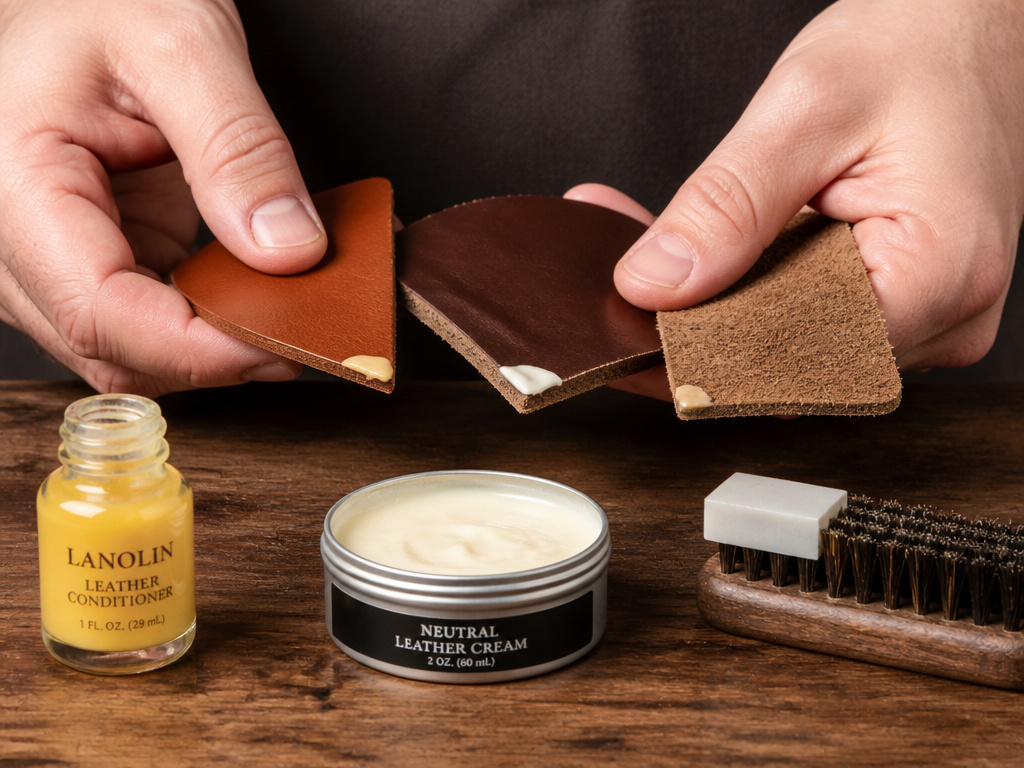
- Care is not universal. Lambskin needs a gentle conditioner, cowhide a neutral cream, and suede only a dry brush. Using the wrong product, like a heavy saddle soap on a delicate hide, strips finish and accelerates aging.
The Four Hemlines: Car Coat, Trench, Overcoat, Duster
Forget style names for a moment. Look at a coat’s hemline. That single measurement tells you almost everything about its function.
A car coat ends at the hip or mid-thigh, a trench at the knee, an overcoat at the knee with a straighter cut, and a duster below the knee. The waist treatment, shaped or straight, then determines its formality. Every other design choice, from lapel size to pocket style, follows from those two decisions.
The Car Coat: Your Daily Default
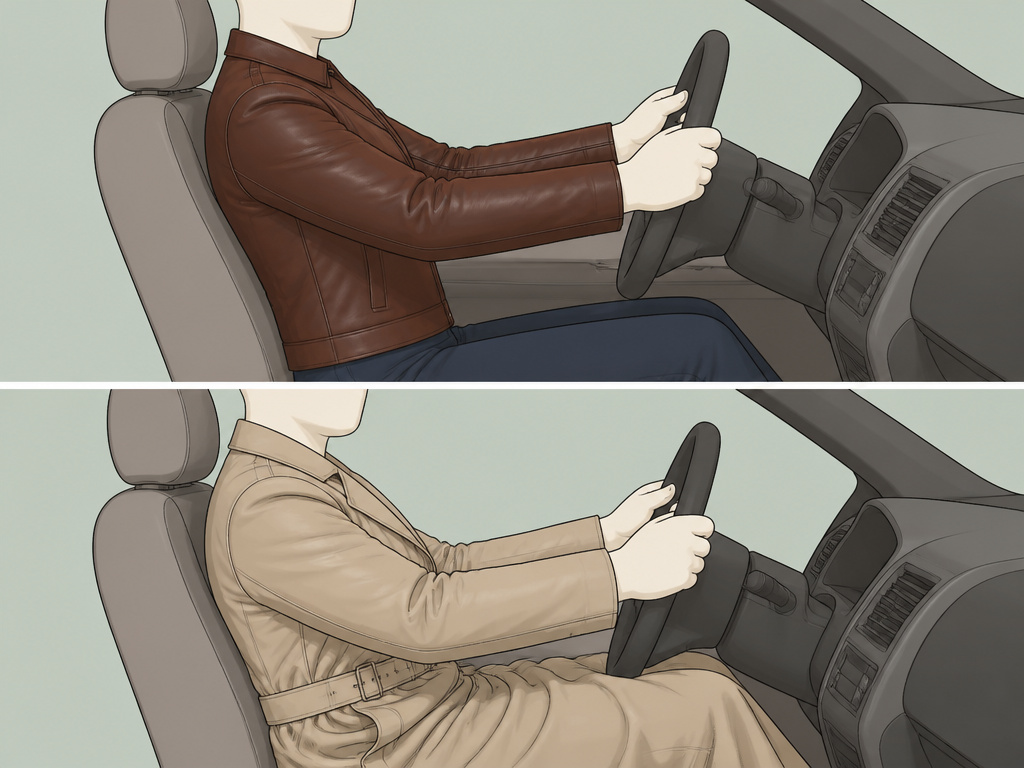
The car coat is the most worn leather coat for a simple reason. It was designed for sitting. The hem stops at the hip or mid-thigh, so it doesn’t bunch under you in a car seat or at a desk. It covers your lower back, which a waist-length jacket leaves exposed, without adding length you have to plan around.
This is the coat to buy first. It layers over a knit or a blazer, works with jeans or chinos, and doesn’t demand a specific formality from the rest of your outfit. If you drive frequently, this length is the practical choice. The common “3/4 length” coat you see is usually a car coat.
The Trench Coat: Tailored Warmth
A leather trench coat is built for layering over tailoring. The knee length fully covers a suit jacket, the belt defines the waist, and the lapel frames what’s underneath. It’s notably warmer than a car coat when closed, especially in a double-breasted style where two layers of leather overlap across the chest.
Its formality is its limit. A trench over jeans can look like you’re wearing a costume. This coat has a job: it’s for structured outfits and colder days where you need the extra coverage a shorter coat can’t provide.
The Overcoat: Formal Discretion
The overcoat is the trench’s more reserved cousin. It also hits at the knee, but it forgoes the belt, epaulets, and storm flaps for a cleaner, straighter silhouette. Its purpose is to disappear into a formal outfit, not lead it.
A black leather overcoat over a black suit looks like a uniform. A brown one, in dark brown or cognac, softens that effect and pairs better with denim or olive trousers. The overcoat is the choice when the coat itself shouldn’t be the statement.
The Duster: Maximum Statement
The duster provides the most coverage, ending below the knee, often at mid-calf. That length makes it genuinely warm and creates a strong, vertical line. It also makes the most demands. Below-the-knee proportions require height to carry well, generally over 5’9”, and simple clothing underneath so the outfit doesn’t fight the coat.
This is not a first coat. It’s a specialized piece for someone who walks in cold climates and wants the coat to be the focal point of their look.
Leather Type Dictates Character
The hide determines how a coat feels, breaks in, and ages. Two coats can share the same silhouette but be worlds apart based on their leather.
| Leather Type | Thickness & Weight (for a jacket) | Lifespan | Best For | Break-in & Feel |
|---|---|---|---|---|
| Full-Grain Cowhide | 1.0–1.4 mm thick, 1.5–2.5 kg | 20–50 years | Motorcycle coats, rugged daily wear | Very stiff initially, forms to the body over years. Develops a hard patina. |
| Top-Grain Lambskin | 0.5–0.8 mm thick, 0.8–1.2 kg | 10–20 years | Blazers, fitted trenches, fashion coats | Soft from day one, drapes easily. Breaks in quickly but scratches more easily. |
| Goatskin | 0.6–1.0 mm thick, 1.0–1.5 kg | 10–20 years | All-purpose car coats and trenches | Excellent balance: supple yet durable, with good water resistance. |
| Suede (Split Hide) | 0.5–0.8 mm thick, 0.8–1.2 kg | 5–15 years | Fashion coats, mild-weather wear | Light, flexible, and soft. Delicate; stains and watermarks easily. |
| Faux Leather (PU) | 0.3–0.5 mm thick, 0.5–0.8 kg | 2–5 years | Budget, short-term fashion | Plastic-feel, no break-in. Can crack or peel within a season. |
Here’s the practical takeaway. For a first coat that needs to work year-round, goatskin is the underrated champion, durable enough for daily use but supple enough to be comfortable immediately. For maximum longevity and a rugged look, full-grain cowhide is the answer, but know that it will feel like armor for the first year. For a detailed look at the hierarchy of materials, our guide on full-grain vs top-grain leather explains why the surface layer of the hide matters more than marketing claims about “genuine leather.”
The Details That Determine Lifespan
A coat can be made from the perfect leather and still fail prematurely. The weak points are rarely the hide itself.
Common mistake: Storing a leather coat on a wire hanger. The thin wire concentrates the coat’s weight on two small points, permanently distorting the shoulders into unnatural peaks within a few months. Use a wide, padded hanger instead.
The Zipper. This is the most common mechanical failure point. A high-quality metal zipper from YKK, Riri, or Talon is a reliable indicator of overall construction quality. A plastic or generic metal zipper will snag, separate, or break long before the leather shows significant wear. When you’re evaluating best leather coats, run the zipper up and down a few times. It should move smoothly, with no catch or hesitation.
The Lining. A coat’s lining isn’t just for comfort; it’s a stress buffer. A poorly attached, thin polyester lining will tear at the seams from the friction of your sleeves. Check for a bagged lining made from cupro, bemberg, or a cotton blend with a weight over 200 gsm. This is a hallmark of high-quality leather coats.
The Underarm Gusset. This small, diamond-shaped piece of leather set into the seam under the arm is wildly underrated. It allows for greater range of motion without straining the shoulder seams. Its absence is a sign of cost-cutting on a pattern, and you’ll feel it every time you reach forward.
Stitching. Look for consistent, tight stitching, especially at stress points like the shoulders, cuffs, and pockets. Loose or uneven stitches will unravel. For a visual reference on how different leathers affect construction, see how texture plays a role in our article on pebbled leather.
Matching Coat to Climate & Routine
 Your daily life should veto certain styles before you even look at a label.
For Drivers: A waist-length jacket or a car coat is mandatory. Anything longer will constantly be shoved under you, creasing the leather across the thighs and lower back. The car coat’s origin is literally this scenario.
For Walkers & Commuters: Length equals warmth. If you’re outside in cold weather, a trench or duster provides critical coverage for your thighs and knees. A car coat will leave a gap.
For Formal Office Wear: An overcoat or trench is the correct layer over a suit. A biker jacket or bomber sends a conflicting message. A leather blazer can work here too, but it’s a jacket, not a coat, it layers under a coat for extreme cold.
Height Rule: If you’re under 5 feet 9 inches, a below-knee duster will visually shorten your proportions. Stick to hemlines at or above the knee for better balance. This is a key consideration when browsing coats for men or coats for women of average or shorter stature.
Climate & Leather: Don’t fight your environment. Humid climates accelerate mold growth on untreated leather; look for vegetable-tanned or well-finished hides. Dry climates suck moisture from leather; a regular conditioning schedule is non-negotiable. Suede, while beautiful, is a terrible choice for rainy locales.
Leather-Specific Care: One Regimen Does Not Fit All
 The leather will tell you what it needs. Use a cleaner formulated for the coat’s specific fiber content, such as wool or technical fabric.
I learned this the hard way early on. Confident in a strong saddle soap’s cleaning power, I used it on a delicate, aniline-dyed lambskin coat. It worked, too well. It stripped some of the dye along with the dirt, leaving a faded patch. The right tool for the wrong job is still wrong.
- Lambskin/Goatskin: Requires a gentle, lanolin-based conditioner. Apply sparingly.
- Cowhide: Can handle a heavier, neutral-colored leather cream.
- Suede/Nubuck: Dry brushing only for dirt. Use a specialized suede eraser for stains. Never apply liquid conditioner. For a full breakdown, our guides on suede leather and nubuck leather cover the nuances.
- Shearling: Requires professional cleaning. Do not attempt it yourself.
Where this goes sideways: Letting a wet coat dry near direct heat. Leather jackets, even weather-treated ones, should dry at room temperature, away from radiators or fires. Heat bakes the moisture out, causing the leather to contract, harden, and crack.
Condition every 6-12 months depending on use. Store in a cool, dry place on a wide hanger with a breathable cloth cover, never plastic. This basic care, matched to your hide, is what lets a coat develop a rich patina over 20 years instead of cracking in five.
Frequently Asked Questions
What’s the difference between a leather jacket and a leather coat?
The difference is length. A jacket ends at the waist or hip. A coat extends below the hip, covering at least part of the thigh. This isn’t just style; it’s function. Coats provide more warmth and coverage, jackets offer greater mobility. The different jacket types like bombers and bikers are jackets, while car coats and trenches are coats.
Is a real leather coat warm enough for winter?
It depends on the coat and the winter. A long, lined trench or duster in a substantial leather like cowhide or shearling is very warm. A short, unlined fashion coat in thin lambskin is not. The length itself is a major factor, covering your thighs retains significant body heat. For serious cold, prioritize length, lining, and leather weight.
How do I know if a leather coat is good quality?
Check four points in this order: 1) The zipper (branded metal), 2) The lining (bagged, durable fabric), 3) The stitching (even, tight, especially at stress points), 4) The leather smell (rich and earthy, not chemical). These tangible details are more reliable than a tag that says “genuine leather.” Our guide to high-quality leather coats expands on this checklist.
Can you wear a leather coat in the rain?
You can, but you shouldn’t make a habit of it. Even weather-resistant leather will eventually saturate. If it gets wet, wipe it down with a dry cloth and let it air-dry naturally, away from heat. Never put a sopping wet coat in a closet, that’s how mold starts. For a finish that offers some protection and unique character, explore the qualities of pull-up leather.
How long should a leather coat last?
With proper care, a coat made from quality materials should last a minimum of 10 years. A full-grain cowhide coat can last 30-50 years. The failure point is almost never the leather wearing through; it’s the zipper breaking, the lining tearing, or the leather drying out and cracking from neglect. Buying for longevity means investing in those details.
The Bottom Line
Ignore the marketing copy about timeless style. A leather coat is a tool, and its hemline is the instruction manual. Match the length to your most common activity, driving, walking, office wear, and you’ve solved 80% of the buying decision.
The remaining 20% is in the details you can touch: the weight of the zipper pull, the feel of the lining seam, the flex of the leather at the elbow. Those are the signs of a coat built to outlive trends. Start with a car coat if you’re new to this; it’s the most forgiving shape. Then, once you know how a good coat should feel, you’ll know what to look for in a trench, an overcoat, or a duster.
Understand leather better to make confident choices. Don’t buy a coat for the picture. Buy it for the 300th time you’ll wear it, when the leather has softened to your shape and the details have proven their worth.
