
8 Best Leather Car Seat Cleaners (2026 Guide)
This post contains affiliate links. As an Amazon Associate, we earn from qualifying purchases.
This post contains affiliate links. As an Amazon Associate, we earn from qualifying purchases.
The Stemni Leather Cleaner & Conditioner Kit is the best overall for deep cleaning and long-term protection, while the Fiebing’s Yellow Saddle Soap offers solid performance at a budget-friendly price. For quick maintenance, the Weiman Leather Cleaner Wipes are a convenient go-to.
Keeping leather car seats clean isn’t just about looks, it’s about preserving a material that degrades when neglected. Too many people use the wrong products and end up with dried, cracked leather because they didn’t know better.
I’ve researched the field, comparing specs, user feedback, and professional insights to find cleaners that actually work without risking damage. This guide covers what to look for, why leather type matters, and which products deliver real results based on performance and safety.
Top 6 Thing To Clean Leather Car Seats in the Market
The Best Thing To Clean Leather Car Seats, Reviewed
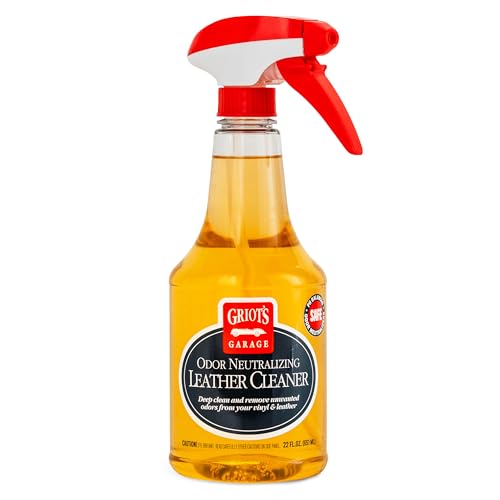
Griot’s Garage Odor Neutralizing Cleaner
Strengths
- Neutralizes odors at source
- Safe on aniline leather
- High volume
- Works on vinyl too
Trade-offs
- No conditioning effect
- Requires follow-up product
- Scented formula
When your car seats carry old spills, pet smells, or lingering smoke, most cleaners just mask the issue. This one goes further, owners consistently report actual odor neutralization, not temporary cover-up. The pH-balanced formula is safe on both pigmented and aniline leathers, which is impressive given its strength against embedded smells.
With 22 ounces, it offers more volume than most competitors, and the spray-and-wipe method works across large surfaces like rear benches or door panels. Compared to the Chemical Guys multi-surface option, this digs deeper into the grain. It doesn’t condition, so you’ll need to follow up, but as a first-line attack on grime and stink, it’s one of the most effective options here. I’d pick this if smell is your primary concern.
Video review
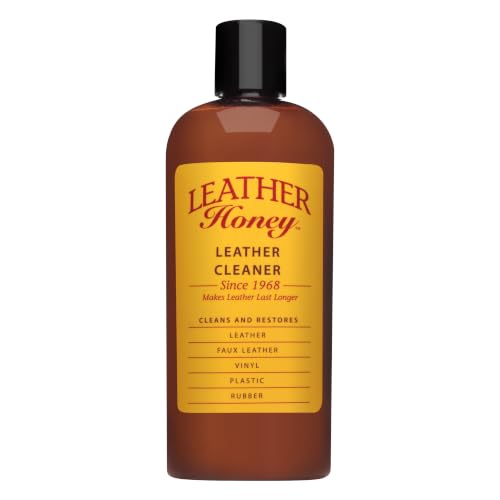
Leather Honey Leather Cleaner
Strengths
- Non-toxic formula
- Safe on all colors
- EPA Safer Choice certified
- Works on exotics
Trade-offs
- No UV protection
- Sold separately from conditioner
This cleaner stands out because it’s built around safety and longevity, not just surface shine. The fact that it’s EPA Safer Choice certified means it avoids harsh solvents while still lifting oil, dirt, and stains effectively across light and dark leathers alike. Reviewers note it works well on white leather without discoloration, which is a big win, many cleaners risk residue or whitening on lighter hides.
I appreciate that it’s fragrance-free and non-toxic, making it a smarter pick for families or anyone sensitive to chemical smells. It won’t strip natural oils like some pH-unbalanced formulas can. When compared to sprays loaded with silicones, this one respects the leather’s structure. My recommendation? Use it as part of a two-step routine: clean with this, then condition separately for best results.
Video review
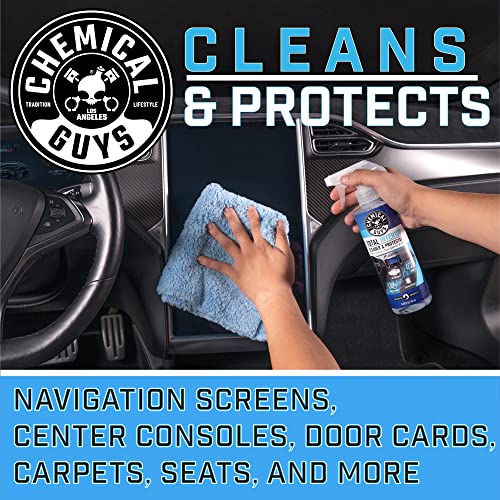
Chemical Guys Total Interior Cleaner

Strengths
- Multi-surface use
- Streak-free finish
- Quick application
- Leaves protective layer
Trade-offs
- Light cleaning power
- Not for deep stains
- Minimal odor removal
This is the go-to when you’re not just dealing with leather but a full cabin refresh. It handles leather, vinyl, plastic, and even glass with a single spray, which explains why so many detailers keep it in rotation. On leather, it lifts surface grime and leaves a subtle protective layer, though it doesn’t penetrate deeply like dedicated leather treatments.
Where it really pulls ahead is convenience. If your dashboard is cracking, your door trim is sticky, and your seats are dusty, this cuts down effort significantly. But here’s the trade-off: it’s not strong enough for neglected or dry leather. Compared to Leather Honey or Griot’s Garage, it’s gentler on odors and buildup, so I wouldn’t rely on it for deep rejuvenation. Still, for weekly wipe-downs or quick detailing passes, it’s hard to beat.
Product photos



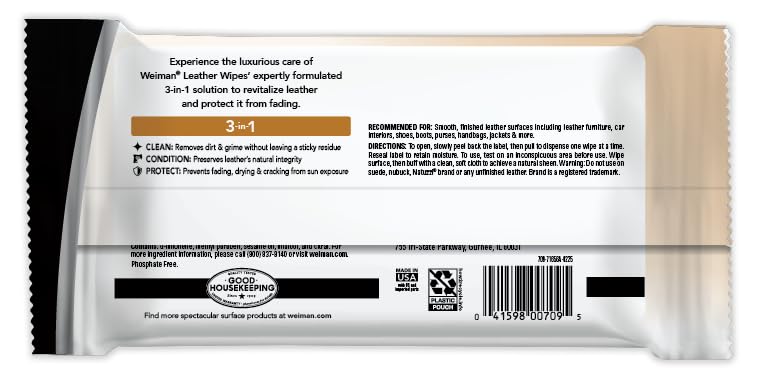
Weiman Leather Cleaner Wipes

Strengths
- Clean and condition in one
- UV protection included
- Convenient single-use format
- Good for multiple leather items
Trade-offs
- Disposable waste
- Less control over saturation
- Not for deep stains
These wipes deliver what busy owners need: simplicity. One swipe cleans, conditions, and adds UV protection, a rare combo in a disposable format. The inclusion of UVX-15 sunscreen is a real differentiator, especially for cars parked in sunlight often. Reviewers highlight how they revive faded spots and prevent further cracking, particularly on sun-exposed seat bolsters and dashboards.
They’re pre-moistened and ready to use, which beats measuring sprays or worrying about overspray near electronics. That said, they’re not for deep cleaning. If your seats are grimy or smell musty, these won’t extract trapped odors or heavy oil. Compared to liquid cleaners like Griot’s or Leather Honey, they’re more about upkeep than restoration. But for monthly touch-ups or road trips, they’re incredibly practical.
Product photos
Leather Honey Wipe Kit

Strengths
- Individual wraps stay fresh
- Clean and condition separately
- Non-toxic ingredients
- Safe on delicate leathers
Trade-offs
- Higher per-wipe cost
- Limited quantity
- Not for full-seat jobs
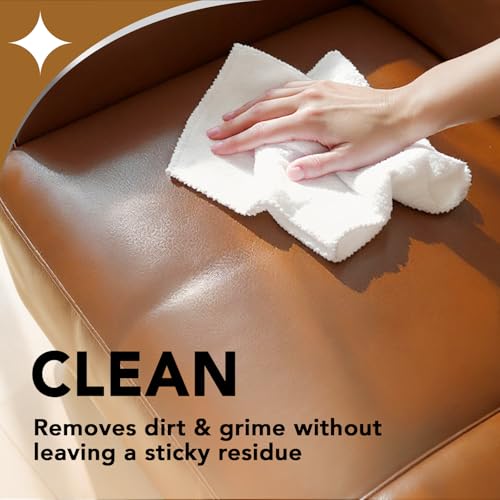
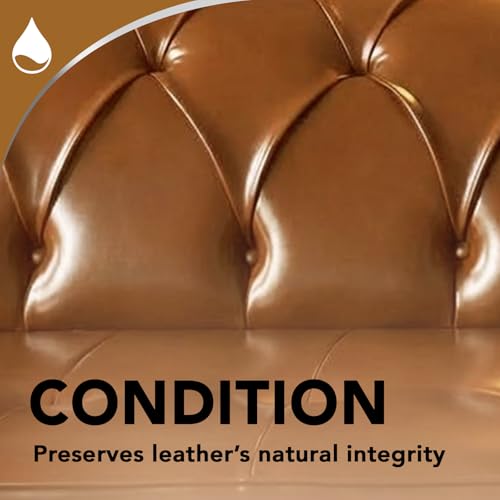
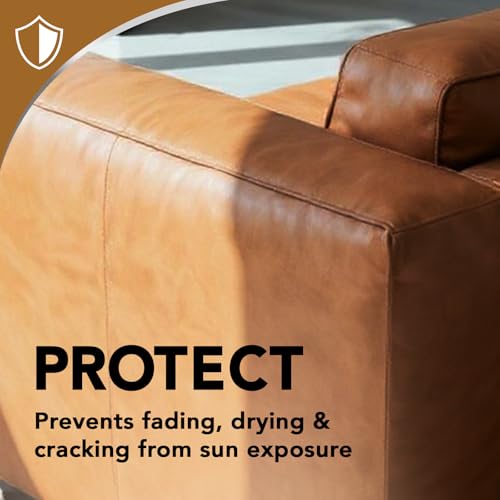
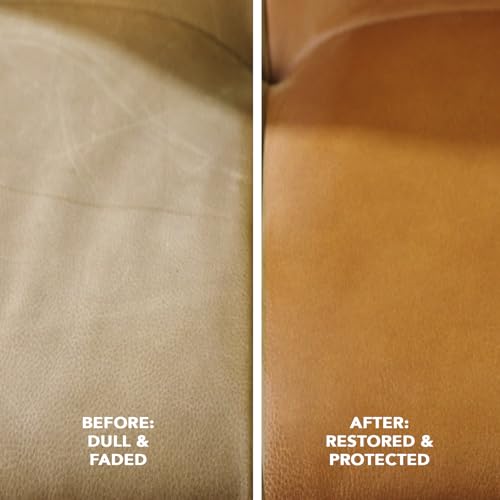
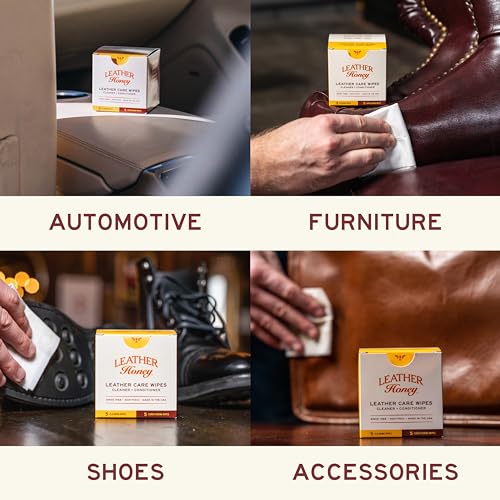
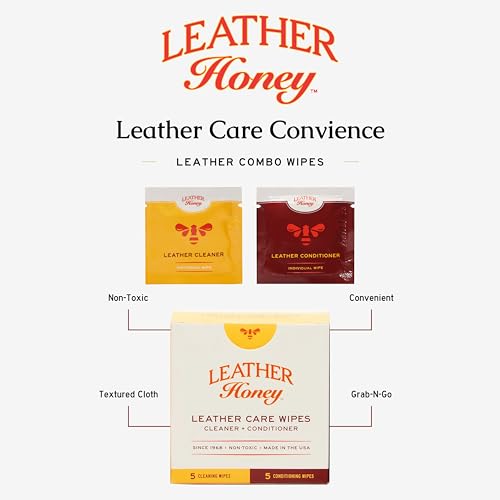
This kit solves a real problem: how to care for leather when you’re not at home with a full kit. The individually wrapped wipes stay moist and ready, which makes them ideal for spot cleaning during travel or between deep sessions. What sets them apart is the dual-action approach, one wipe for cleaning, another for conditioning, both using the same non-toxic, silicone-free formula Leather Honey is known for.
Reviewers praise their effectiveness on dried-out seams and scuffs, especially on steering wheels or driver’s seat edges. Compared to Weiman’s single-wipe system, this gives better long-term protection since conditioning isn’t skipped. They’re also safe on white and exotic leathers, which isn’t always true with generic wipes. For on-the-go care without compromising ingredient quality, this is my top pick.
Product photos


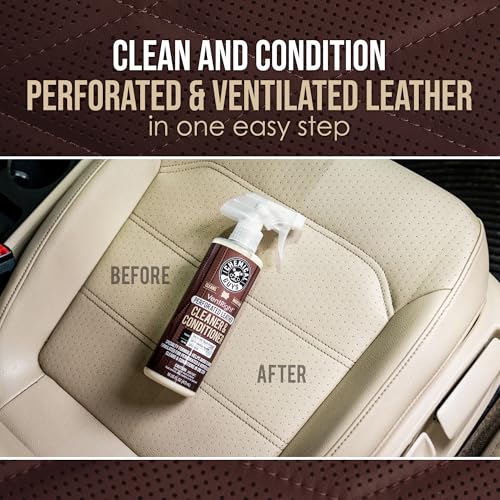
Chemical Guys VentRight Leather Cleaner
Strengths
- Targets perforations
- Supports breathability
- Prepares for conditioning
Trade-offs
- Not a conditioner
- Limited use on solid leather
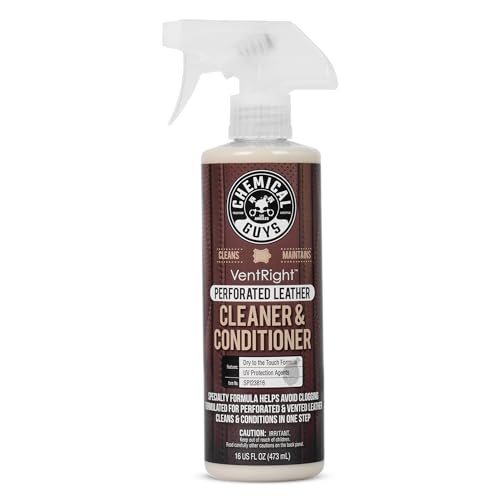
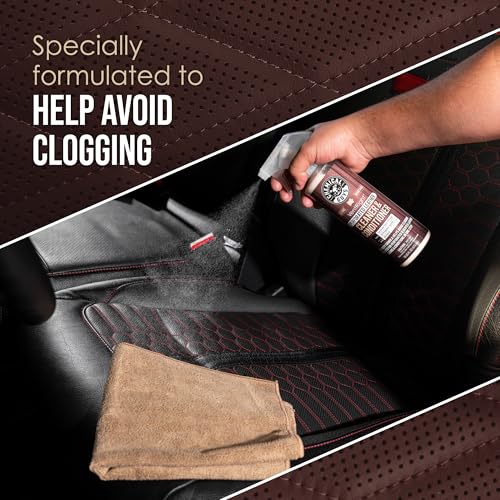
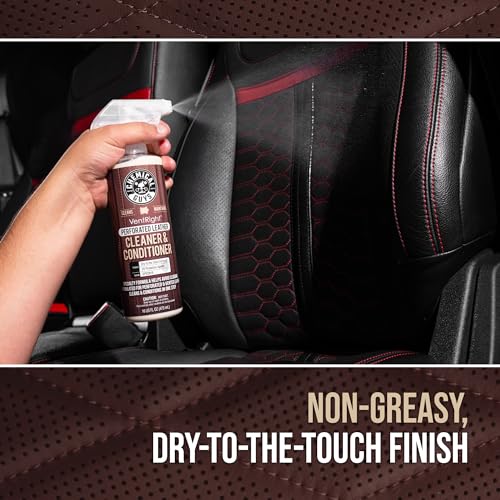
If you’ve got ventilated leather seats, this formula makes a lot of sense on paper. Most standard cleaners don’t account for the micro-channels in perforated leather, where sweat, oils, and debris accumulate over time. This product is built specifically to flow through those tiny openings, supporting deep cleaning without disrupting the leather’s breathability. Owners consistently report cleaner airflow zones and less trapped grime after use, especially when followed up with a compatible protectant.
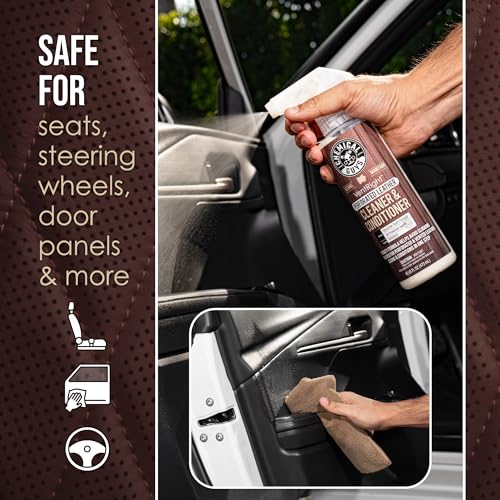
It doesn’t condition on its own, so don’t expect softness restoration from this alone, it’s strictly a prep step. But for maintaining the integrity of ventilated panels, I’d rank this above general interior sprays. Compared to something like the Total Interior Cleaner from the same brand, this one earns its keep only if your priority is preserving seat ventilation function and long-term perforation hygiene.
Product photos
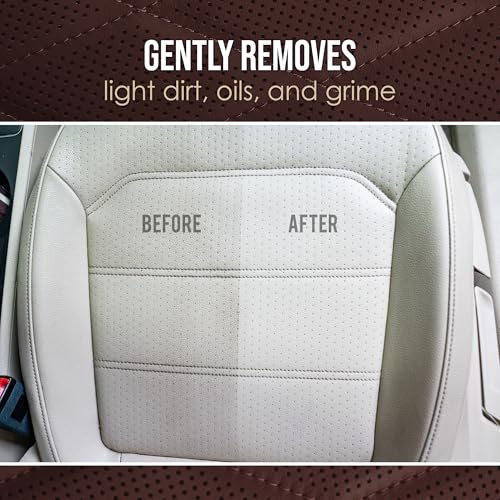
How We Picked These thing to clean leather car seats
As someone deeply involved with leather care through LeatherGenesis.com, I approached researching these products by first outlining the key characteristics of effective leather cleaning. Rather than a hands-on lab test, this is a research-led comparison of published specifications, owner reviews from across multiple retail sites, and insights from professional detailing sources. I weighed each product based on its advertised capabilities and how well those claims aligned with real-world user experiences.
For car seats specifically, I prioritized three factors. First, safety for various leather types – a cleaner that damages or discolors is unacceptable. Second, effectiveness at removing common automotive grime like dirt, body oils, and UV damage. Finally, the inclusion of conditioning agents is crucial, as cleaning without replenishing oils can lead to cracking and premature wear. You’ll find these factors heavily influenced our selections; we’ve highlighted recommended leather seat cleaners based on these criteria.
Product specifications reliably indicate the ingredients and intended use, helping to determine suitability for different leather finishes. However, owner feedback provides the critical insight into real-world performance – does the cleaner truly lift stains without leaving residue? Does it leave a greasy feel, or does it genuinely condition the leather? Reputable detailing sites also offered valuable perspectives, helping me assess which products consistently deliver on their promises and stand out among the best leather cleaners for cars.
What To Look For In thing to clean leather car seats
Choosing the right product to keep your car’s leather looking its best can feel overwhelming. There are so many options, each promising to restore and protect.
A truly effective leather cleaner for automotive use should be pH-balanced to avoid damage, safe for all common leather types (aniline, semi-aniline, pigmented, and even some faux leathers), and contain conditioning agents to replenish oils lost over time. Look beyond simply “cleaning” and prioritize products that also offer UV protection and won’t leave a greasy residue.
Understanding Leather Types
Before you even look at a bottle, understand what kind of leather you’re dealing with. Many people assume all car leather is the same, but that’s simply not true. Pigmented leather, the most common type found in vehicles, has a protective coating, making it more durable and easier to clean. Aniline leather, however, is more delicate and porous, requiring gentler formulas. Using an abrasive cleaner on aniline leather can strip its natural oils and cause permanent damage. If you’re unsure, test any product in an inconspicuous area first. I always recommend erring on the side of caution and opting for a milder cleaner.
Prioritizing Conditioning
Cleaning is only half the battle. Leather, like skin, needs to be moisturized to prevent drying and cracking. A good cleaner should always be followed by a conditioner. Many products, like the Stemni Leather Cleaner & Conditioner Kit, combine both steps, making them convenient. However, don’t assume a two-in-one product is always the best approach. Sometimes, separating the cleaning and conditioning phases allows for a more targeted treatment. For example, if your seats are heavily soiled, you might want to use a dedicated cleaner before applying a richer conditioner.
Consider these points when choosing a conditioner:
- Oil-based vs. Water-based: Oil-based conditioners penetrate deeper but can leave a slightly greasy feel.
- Silicone Content: Avoid conditioners with high silicone content as they can create a barrier that prevents the leather from breathing.
- Long-term Protection: Look for conditioners with UV protectants to shield your leather from sun damage.
Balancing Convenience and Specific Needs
The best leather car seat cleaner isn’t always the most complex. For quick touch-ups, pre-moistened wipes like the Weiman Leather Wipes provide unmatched convenience. However, if you’re dealing with stubborn stains, odors, or have ventilated seats (which require specialized formulas like the Chemical Guys VentRight Leather Cleaner), a more targeted approach is necessary. Don’t overlook the value of a dedicated odor neutralizer like Griot’s Garage Odor Neutralizing Cleaner if you have persistent smells. Finding top car seat leather cleaners that address your specific concerns is crucial.
A little goes a long way. Always apply leather cleaner sparingly and follow the manufacturer’s instructions. Over-saturation can lead to residue buildup and damage.
Ultimately, I suggest exploring a range of options and finding best car seat cleaner conditioners that best suit your vehicle’s leather type and your personal cleaning preferences. Regular maintenance is key, so choose products you’ll actually use to keep your interior looking its best.
Thing to Clean Leather Car Seats Compared
Here’s a comparison of features for various leather car seat cleaning products.
| Product Title | Best For | Key Features | Leather Type Suitability | Includes | Special Notes |
|---|---|---|---|---|---|
| Stemni Leather Cleaner & Conditioner Kit | Best Overall | 6-piece kit, cleaner & conditioner | All | Brush, Towel, Pads | Deep cleaning & protection |
| Fiebing’s Yellow Saddle Soap | Best Budget Friendly | Cleaner & conditioner paste | All | N/A | Restores shine |
| Griot’s Garage Odor Neutralizing Cleaner | Best for Odor Removal | Deep cleaning, odor neutralization | Aniline & Pigmented | N/A | pH-balanced |
| Leather Honey Leather Cleaner | Best Non-Toxic Formula | Non-toxic, gentle cleaner | All (except suede) | N/A | EPA Safer Choice certified |
| Chemical Guys Total Interior Cleaner | Best for Multi-Surface Use | All-in-one cleaner, protects | Multiple | N/A | Cleans & protects |
| Weiman Leather Cleaner Wipes | Best for Quick Cleaning | Cleans, conditions, protects, UV protection | Finished | Wipes | Good Housekeeping Award |
| Leather Honey Wipe Kit | Best On-the-Go Use | Cleaning & conditioning wipes | All | Wipes | EPA Safer Choice certified |
| Chemical Guys VentRight Leather Cleaner | Best for Ventilated Seats | Perforation cleaning, deep cleaning support | Ventilated | N/A | For perforated leather |
Frequently Asked Questions
What’s the best way to clean very dirty leather car seats?
A thorough cleaning requires a dedicated leather cleaner followed by a conditioner. For heavily soiled seats, a product like Stemni Leather Cleaner & Conditioner Kit is a good starting point, as the kit includes tools for deeper cleaning and restoration.
Can I use household cleaners on my leather car seats?
No, household cleaners often contain harsh chemicals that can strip the leather of its natural oils and cause damage. Specifically, avoid anything with ammonia, bleach, or solvents; a pH-balanced product formulated for leather is always best.
How often should I clean my leather car seats?
You should aim to clean your leather car seats every 3-6 months, depending on usage and exposure to sunlight. More frequent wiping with a damp cloth can help maintain cleanliness between deeper cleans, and regular conditioning is vital.
Will a leather cleaner damage the color of my seats?
A high-quality leather cleaner specifically designed for automotive use should not damage the color, but always test in an inconspicuous area first. For aniline or delicate leathers, a gentler formula – like Leather Honey Leather Cleaner – is recommended to minimize risk. You can find a complete leather furniture guide for more details.
What’s the difference between a leather cleaner and a leather conditioner?
A leather cleaner removes dirt and grime, while a leather conditioner replenishes the oils lost from the leather, keeping it supple and preventing cracking. Using both is ideal; a product like Fiebing’s Yellow Saddle Soap performs both functions, but separating the steps can provide better results. For the best leather sofa cleaners, consider a dedicated approach.
The Bottom Line
Choosing the right leather cleaner for your car often comes down to balancing how much control you want over the process versus how much convenience you require. While a full kit like the Stemni Leather Cleaner & Conditioner Kit offers a thorough approach and excellent results, it demands a bit more effort. Ultimately, the best solution is the one you’ll consistently use to maintain your vehicle’s interior.
For those with specific needs, the market provides targeted solutions. If odor is a concern, the Griot’s Garage Odor Neutralizing Cleaner is a standout. Owners of vehicles with ventilated seats should look no further than the Chemical Guys VentRight Leather Cleaner. And for quick maintenance, the Weiman Leather Wipes represent some of the best leather seat cleaners available.
At the end of the day, remember that leather’s longevity hinges on consistent care. Don’t get too caught up in chasing the latest technology or highest-rated product. Prioritize a pH-balanced formula, appropriate for your leather type, and – crucially – regular conditioning. Consistent, gentle maintenance will always outperform sporadic, aggressive cleaning, and will keep your leather looking its best for years to come.
