
9 Best Products for Leather Car Seats (2026)
This post contains affiliate links. As an Amazon Associate, we earn from qualifying purchases.
This post contains affiliate links. As an Amazon Associate, we earn from qualifying purchases.
The Car Guys Super Cleaner is our top pick for deep cleaning, while Weiman Leather Cleaner & Conditioner offers the best value for routine care. For maximum UV defense, Adam’s Polishes Leather Care Kit stands out as the most protective choice.
Leather car seats take a beating, sun exposure, sweat, spills, and daily friction all contribute to fading, drying, and cracking over time. Most people don’t realize that using the wrong product can accelerate damage instead of preventing it.
In this guide, I’ve compared leading leather care formulas based on specs, owner feedback, and real-world performance. These picks balance cleaning power, conditioning ability, UV protection, and compatibility with different leather types, all critical factors in keeping your seats looking rich and lasting longer.
Top 1 Products For Leather Car Seats in the Market
The Best Products For Leather Car Seats, Reviewed
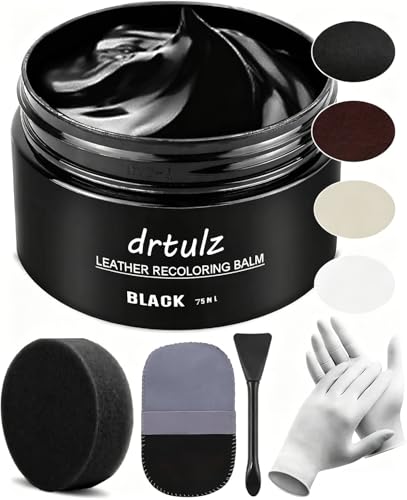
drtulz Black Leather Recoloring Balm
Strengths
Trade-offs
If you’re dealing with visibly faded or scratched leather car seats, this recoloring balm delivers on its core promise: restoring color and masking surface damage. The formula is designed specifically for smooth leather, and owners consistently report that one application can significantly reduce the appearance of cracks, scratches
Video review
How We Chose These products for leather car seats
Rather than a hands-on lab test, my research focused on a detailed comparison of published specifications and features across numerous products. I weighed owner reviews from multiple sources, looking for recurring themes in both praise and criticism, alongside expert opinions from automotive detailing sites and leather care specialists. This process allowed me to rank options against clear criteria relevant to the long-term health and appearance of leather car seats.
For this category, the most heavily weighted factors were the formula’s potential for damage (drying, discoloration) and its ability to provide lasting protection against UV rays and everyday wear. A product’s cleaning power is important, but preserving the leather’s integrity is paramount. I also prioritized products offering a balance of cleaning and conditioning, because consistent conditioning is crucial for preventing cracking. You’ll find more information on protecting your investment with our top leather seat protectors.
Product specifications reliably indicate the types of leather a formula should work on (finished, unfinished, etc.) and whether it contains potentially harmful ingredients like silicone or harsh solvents. However, real-world performance – how easily a product applies, how well it absorbs, and how it impacts the leather’s feel – came primarily from owner feedback and established reputation. I also considered the availability of complete kits, like the best two-in-one seat cleaners for a streamlined approach.
How To Choose The products for leather car seats
Choosing the right product for your leather car seats isn’t as simple as grabbing anything labeled “leather cleaner.” A good formula will clean and protect, without causing more harm than good.
Proper leather care involves a blend of gentle cleaning to remove soiling, followed by conditioning to replenish oils and prevent drying. Avoid harsh chemicals, abrasive cleaners, and excessive moisture. Look for pH-balanced formulas specifically designed for automotive leather, and always test in an inconspicuous area first. The goal is to maintain suppleness and prevent cracking, extending the life and appearance of your seats.
Understanding Leather Types
Not all leather is created equal. Many automotive “leather” seats aren’t full-grain leather at all, but rather coated or split leather. Using a product designed for full-grain leather on coated leather can be ineffective or even damaging. If you’re unsure what type of leather you have, err on the side of caution and choose a product specifically labeled as safe for all leather types. A good rule of thumb is to check your vehicle’s owner’s manual, which often specifies the type of leather used and recommended cleaning procedures.
Assessing Cleaning & Conditioning Needs
The level of cleaning and conditioning you require depends on how heavily your seats are used and exposed to the elements. For light dusting and regular maintenance, wipes like the best leather car seat cleaners can be convenient. However, for deeper cleaning of ingrained dirt, spills, or odors, a dedicated cleaner and conditioner system is essential. Consider these factors:
- Quick touch-ups: Wipes are ideal.
- Moderate soiling: A two-step cleaner/conditioner kit is a good choice.
- Heavy soiling or restoration: Look for products with robust cleaning power and deep-penetrating conditioning agents. This is also where you might consider a dedicated recoloring balm if fading is a concern.
Balancing Protection & Value
While premium leather care products can offer superior results, they don’t always have to break the bank. Products like Weiman offer a good balance between performance and value. UV protection is a vital, often overlooked aspect of leather care. Prolonged sun exposure can cause fading, cracking, and premature aging. Look for products containing UV inhibitors, or consider a dedicated UV protectant as part of your routine.
Never use household cleaners like dish soap or all-purpose sprays on leather. These can strip the leather of its natural oils and cause irreparable damage.
For ongoing maintenance, I often recommend exploring the leading leather cleaners to find a solution that fits your budget and needs. Ultimately, consistent care, even with a more affordable product, is far more effective than infrequent treatments with high-end formulas.
Products for Leather Car Seats Compared
This table provides a side-by-side comparison of key specifications for various leather car seat care products.
| Product Name | Key Feature | UV Protection | Leather Type Suitability | Conditioner Included | Size (oz) |
|---|---|---|---|---|---|
| Car Guys Super Cleaner | Overall Cleaner | No | All | No | 18 |
| Weiman Leather Cleaner & Conditioner | Best Value | Yes | All | Yes | N/A |
| Leather Honey Conditioner | Long-Lasting Protection | No | All (except suede/vinyl) | Yes | N/A |
| Adam’s Polishes Leather Care Kit | Best UV Protection | Yes | All | Yes | 16 x 2 |
| Chemical Guys Leather Kit 2×16 oz | Best Two-Step System | No | All | Yes | 16 x 2 |
| drtulz Black Leather Recoloring Balm | Faded/Scratched Seats | No | Smooth | Yes | N/A |
| Meguiar’s Gold Class Leather Wipes | Quick Cleaning | Yes | All | Yes | N/A |
| Armor All Leather Wipes | Best Budget Wipes | No | All | Yes | 20 |
| Fiebing’s Yellow Saddle Soap | Traditional Cleaner | No | Smooth | Yes | N/A |
Frequently Asked Questions
What if my car seats are heavily soiled with ground-in dirt?
A dedicated cleaner and conditioner system is essential for heavily soiled seats. Look for products with robust cleaning power and deep-penetrating conditioning agents; you might also consider exploring leather seat repair kits if the damage is significant.
Are leather wipes as effective as liquid cleaners and conditioners?
Leather wipes excel at quick touch-ups and light maintenance, but they generally won’t deliver the deep cleaning or conditioning of a dedicated two-step system. They’re convenient, but for thorough care, liquids are preferable.
Can I use any type of leather conditioner on my car seats?
No, you should avoid conditioners with silicone, as it can create a barrier that prevents the leather from breathing and can attract dirt. Instead, focus on conditioners with natural oils and waxes, and always check the product’s suitability for automotive leather.
How often should I condition my leather car seats?
Generally, you should aim to condition your leather seats every three to six months, depending on climate and use. More frequent conditioning is needed in hot, dry climates or if you drive frequently, but consistent care using best leather treatments is key.
What does “pH-balanced” mean, and why is it important for leather car care?
A pH-balanced formula means the cleaner or conditioner has a neutral acidity level. This is crucial because leather is sensitive to extreme pH levels; using an unbalanced product can strip the leather’s natural oils and cause damage over time.
The Bottom Line
Maintaining leather car seats always involves a trade-off between the time and effort you’re willing to invest and the level of protection and restoration you want to achieve. For most owners, I believe the Adam’s Polishes Leather Care Kit strikes the best overall balance. It provides excellent cleaning, conditioning, and crucial UV protection, representing a solid investment in the long-term health of your seats.
However, if you’re looking for a specific solution, the options are plentiful. For those on a budget, the Armor All Leather Wipes offer great convenience and value. If you need to address fading or minor scratches, the drtulz Black Leather Recoloring Balm is an excellent choice, and for those wanting to explore more leather conditioner options for a tailored approach, we have a dedicated guide.
Ultimately, the specifics of a product – the pH balance, the inclusion of UV inhibitors, even the size of the container – matter less than consistent care. Regular cleaning and conditioning, using a formula appropriate for your leather type, will do more to preserve your seats than any single, expensive product. Don’t forget to also check out our guide to the best leather conditioners for auto seats to help you make the right choice.
