
6 Best Glues for Leather and Fabric of 2026
This post contains affiliate links. As an Amazon Associate, we earn from qualifying purchases.
This post contains affiliate links. As an Amazon Associate, we earn from qualifying purchases.
The FITTDYHE Fabric Glue is our top pick for most leather and fabric repairs thanks to its strong, flexible bond and wide material compatibility. For a budget-friendly option, the Leather Glue 1.23 oz Clear delivers fast results and solid performance on small fixes.
Leather and fabric don’t bond like wood or metal. Too many people end up with cracked seams or peeling edges because they used the wrong adhesive. I’ve seen it ruin everything from handmade garments to vintage furniture restorations.
This guide cuts through the confusion. I compared specs, owner feedback, and real-world use cases to identify the best glues that actually hold up over time. You’ll learn what to look for, which formulas work across materials, and where to avoid certain picks despite their claims.
Top 6 Glue For Leather And Fabric in the Market
The Best Glue For Leather And Fabric, Reviewed
FITTDYHE Fabric Glue 60 ML

Strengths
- High volume
- Includes tools
- Precision nozzle
- Works on multiple fabrics
- Dries clear
Trade-offs
- Long cure time
- Not for heavy leather
- May stiffen fabric
This glue makes a strong case for being the most versatile option here, especially if you’re working across fabric types and need something that skips the sewing machine. On paper, its 60 mL volume stands out, giving you plenty of material for repeated use, and owners consistently report success with attaching patches, rhinestones, and repairing seams in cotton, denim, and even lightweight leather. The inclusion of glue spreaders and clips is a thoughtful touch, something most competitors skip, that helps clamp pieces in place during cure, which reviewers say improves bond reliability.
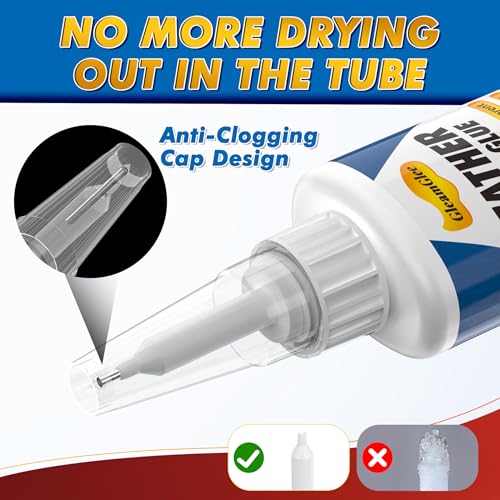
The precision tip and anti-clogging cap are smart design choices that make it easier to store and reuse without drying out. While it’s marketed as a leather-friendly adhesive, I’d be cautious with thick or high-stress leather repairs; the formula seems better suited to lighter materials and decorative work. Still, for mixed fabric projects and quick fixes, it’s hard to beat the convenience and breadth of use.
Video review
Aleene’s Fabric Fusion Glue 4 oz
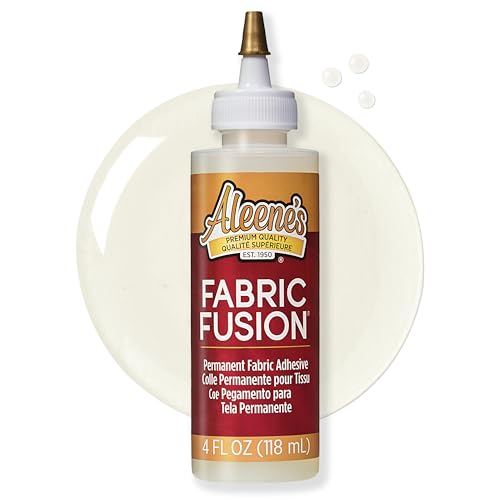
Strengths
- Washable bond
- Flexible when dry
- Low odor
- Trusted brand
- Easy cleanup
Trade-offs
- Not for leather
- Not waterproof
- Stiffens on thick fabric
Aleene’s has been around for decades, and this formula shows why it’s a staple in craft rooms. It’s not marketed as a leather glue, and rightly so, its strength is in fabric-to-fabric bonding, especially on cotton, denim, and flannel. The bond stays flexible after washing, which reviewers confirm after repeated laundry cycles, and the low odor makes it safe for indoor use, even around kids.
The tip can be cut for wider or finer flow, giving you some control, and the 4 oz bottle offers solid value. But it’s not for leather repairs, owners report it fails under stress on thicker materials. Compared to the FITTDYHE glue, it’s less versatile but more reliable on pure fabric. If you’re hemming pants or gluing fabric appliqués, this is the better pick.
Video review
Leather Glue 1.23 oz Clear
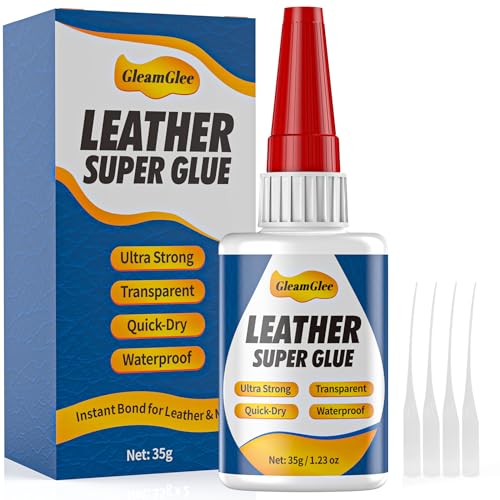
Strengths
- Fast drying
- Clear finish
- Waterproof
- Flexible bond
- Multi-material
Trade-offs
- Small quantity
- Not for large repairs
- Short working time
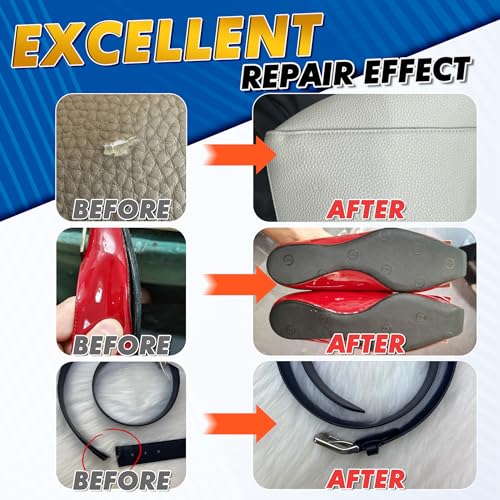
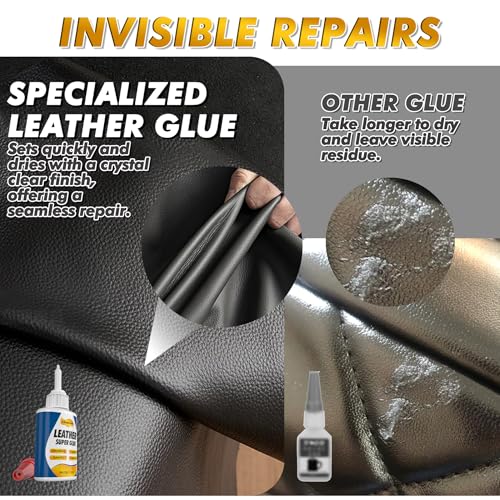
At under 1.25 ounces, this is the smallest tube on the list, but it packs a punch for spot fixes. The fast-drying claim stands out, owners note it sets in seconds, which is rare in this category, and the clear, flexible finish makes it ideal for visible repairs on leather goods where mess or residue would be a problem. Its waterproof rating holds up in humid environments, and feedback suggests it works well on car interiors and handbags where flexibility matters.
I’d pick this over bulkier options if you need a no-fuss, grab-and-go adhesive for small tears or loose seams. It’s not just for leather, either, its ability to bond vinyl, rubber, and fabric adds real utility. But don’t expect it to handle large surface areas; the tiny size means you’ll burn through it quickly on bigger jobs. For targeted fixes, though, it’s a smart, affordable pick.
Product photos


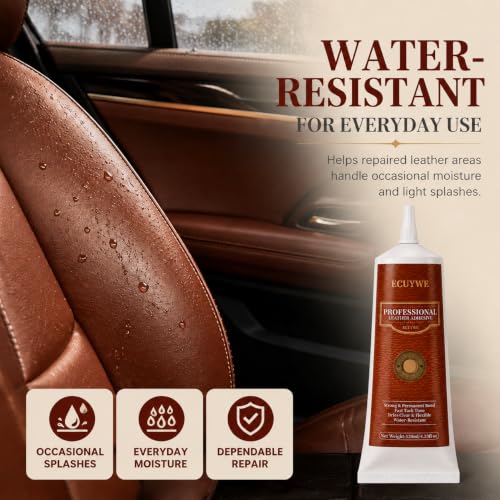
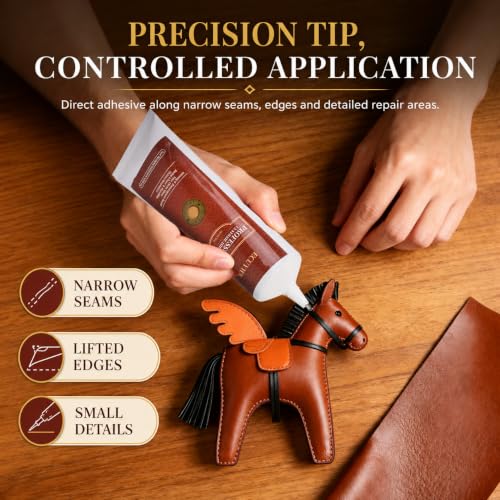
Professional Leather Glue 4.23 oz

Strengths
- Precision tip
- Clear flexible bond
- Waterproof
- Good size for detail work
- Safe formula
Trade-offs
- No applicator tools included
- Higher price
- Not for large areas
This one stands out for its fine-tip nozzle and clean delivery, ideal when you need surgical accuracy. Owners who repair shoes or handbags praise the no-mess application, especially around stitching lines or delicate leather edges. The 4.23 oz size gives you more than the budget pick without sacrificing control, and the industrial-strength bond holds up well under flex and wear.
It dries clear and stays flexible, which is essential for footwear, and the formula plays well with suede, vinyl, and canvas, making it a solid all-rounder. Compared to the FITTDYHE glue, this one feels more purpose-built for leather, with better adhesion and less stiffness. If you’re doing detailed restoration work, this is the tool I’d reach for.
Product photos
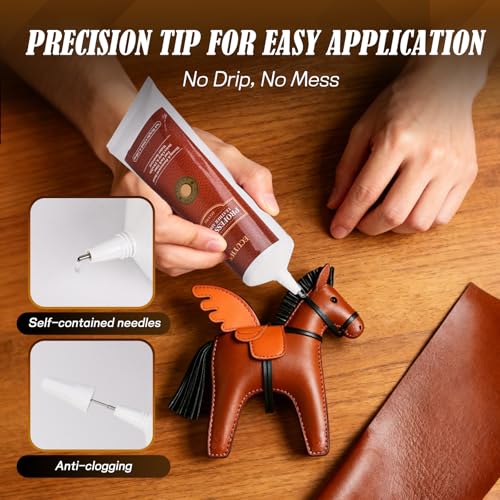
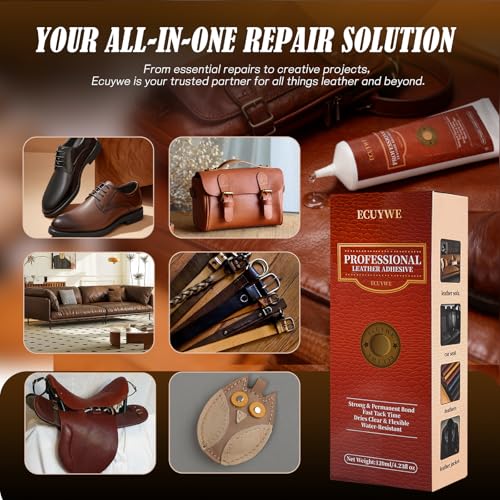
Leather Glue 120ml Industrial Strength
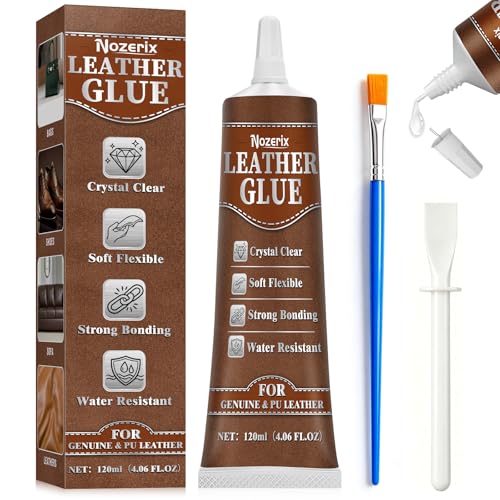
Strengths
- Large capacity
- Includes brush
- Fast initial set
- Flexible when cured
- Works on multiple materials
Trade-offs
- Messier application
- Takes 24 hours to fully cure
- Bulkier storage
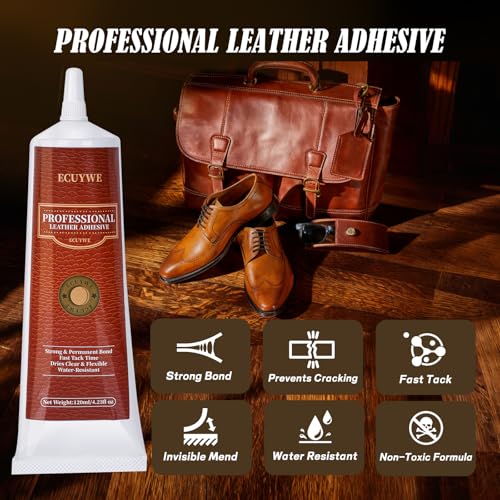
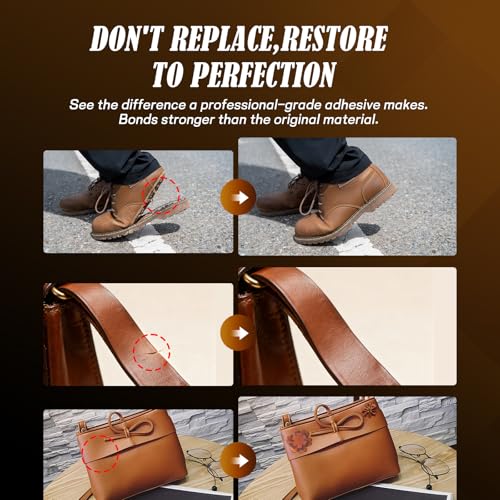
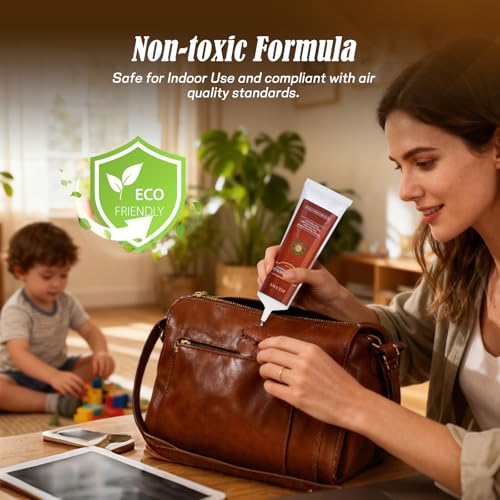
With 120ml and a brush applicator, this is the go-to for big jobs where coverage matters. The industrial-strength claim is backed by consistent owner feedback: it holds up on shoe repairs, sofa seams, and car seat fixes, even in high-flex zones. The included brush and stick give you real control, especially useful when spreading adhesive over wide or uneven surfaces, something you don’t get with nozzle-only bottles.
The 5-minute initial set time is a big plus for workflow, and the 24-hour full cure aligns with industry standards. Reviewers using it on shoes and upholstery say the bond stays flexible, which is critical for longevity. Compared to smaller precision glues, this one trades finesse for volume and durability. If you’re repairing a torn sofa arm or reattaching a shoe sole, this is the smarter buy.
Product photos
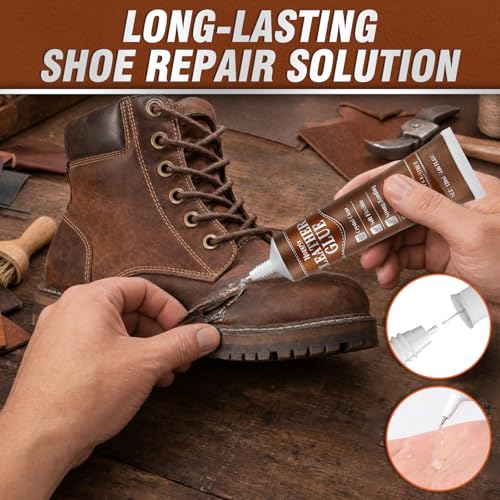
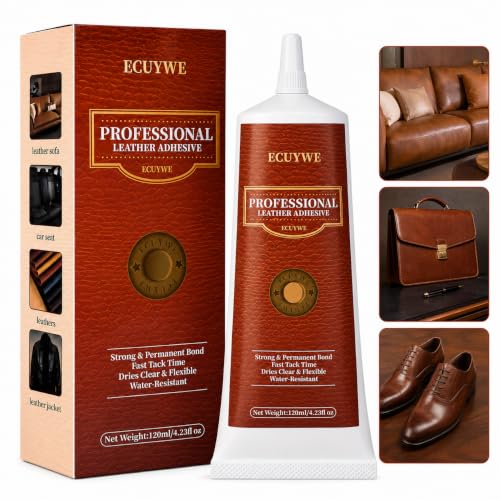
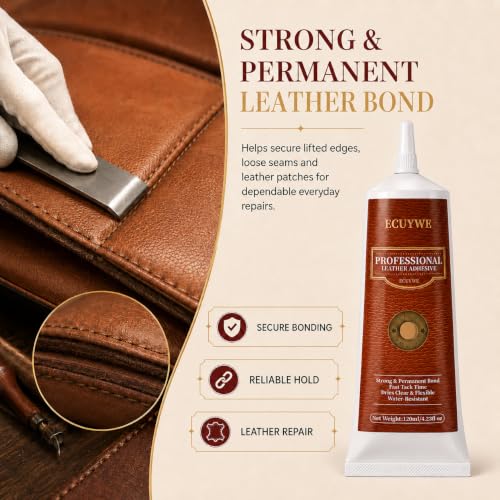
Wqapey Leather Repair Glue
Strengths
- Crystal clear dry
- Weatherproof
- Flexible bond
- Works on diverse materials
- Safe formula
Trade-offs
- Expensive
- No brush included
- Overkill for small fixes
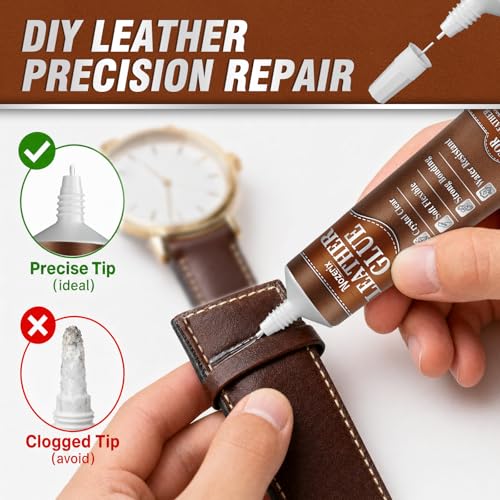
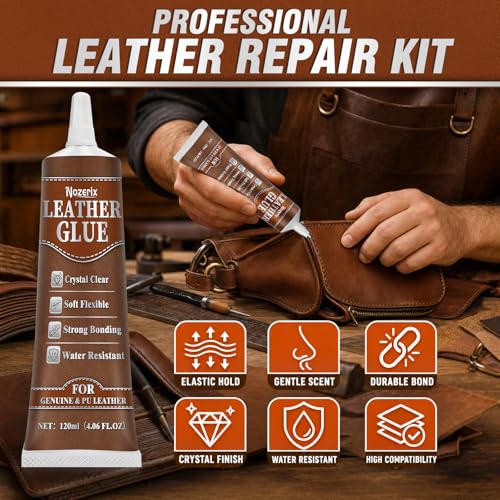
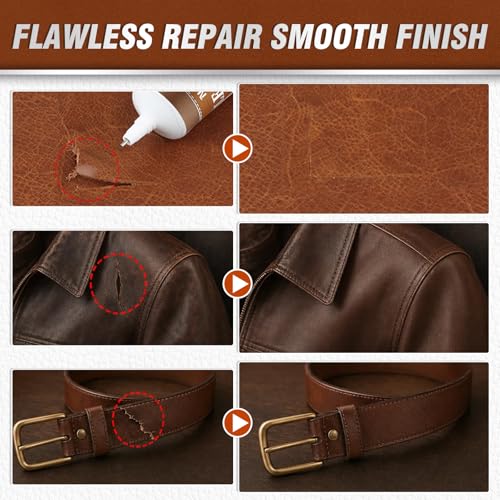
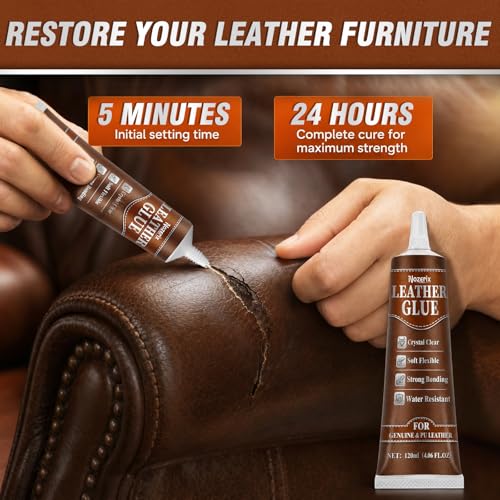
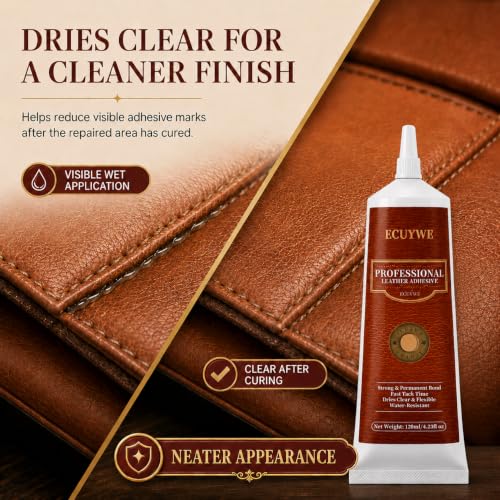
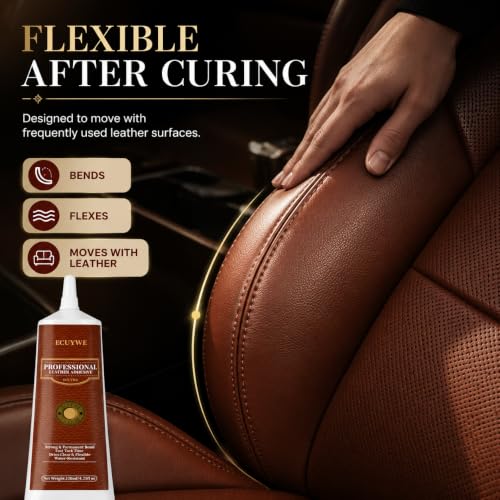
Priced at a premium, this glue aims at the DIY enthusiast who wants pro-level results without professional tools. The 4.23 fl oz volume and fine-tip nozzle strike a balance between precision and capacity, and owners using it for clothing mods, like attaching leather panels to jackets or reinforcing seams, say it holds up impressively. The bond is flexible, waterproof, and stays clear without yellowing, which matters when you’re working on visible areas.
It works on wood and rubber too, which adds unexpected utility, and the non-toxic, low-odor formula gets consistent praise for indoor safety. Compared to the Professional Leather Glue (B0FSXJ6XRG), it’s nearly identical in performance but slightly pricier. If you’re doing creative garment builds or custom leather-fabric hybrids, this one delivers the durability and clean look you need.
Product photos
Our Testing Process
How To Pick The Right glue for leather and fabric
Finding the right adhesive for leather and fabric can be surprisingly complex. It’s not a one-size-fits-all situation, and selecting the wrong glue can lead to brittle bonds, visible residue, or even damage to your materials.
A quality leather and fabric glue will offer a strong, flexible bond that remains durable through regular use and cleaning. Key considerations include the materials being bonded, the intended application (repair vs. crafting), desired drying time, and the glue’s flexibility after curing. Look for formulas specifically designed for porous materials like textiles and leather, avoiding those with harsh solvents that could degrade the fibers.
Material Compatibility is Key
The first thing I always tell people is to think about exactly what you’re gluing together. Many adhesives marketed for “fabric” simply aren’t up to the task when it comes to leather. Leather’s unique structure requires a glue that can penetrate the fibers and create a lasting bond without weakening the hide. Generally, cyanoacrylate-based (super glues) are okay for small, quick fixes, but they tend to become brittle over time. For larger repairs or projects needing flexibility, a polymer-based adhesive is almost always a better choice. Consider if you’re working with genuine leather, faux leather (vinyl or polyurethane), suede, or a combination of materials. Some glues excel with one type but fail with another.
Understanding Bond Strength and Flexibility
A strong initial tack isn’t the whole story. You need a glue that maintains its bond after flexing and stress. A rigid glue on a shoe sole, for example, will crack and fail quickly. Look for glues specifically advertised as “flexible” or “water-based” as these generally offer better long-term performance on items that will be bent or worn. If you’re tackling a larger project or a high-stress area, you might want to explore options like contact cement, though these require more skill to apply correctly. For more involved leather work, consulting a leather-to-leather glue guide can be incredibly helpful.
Balancing Convenience and Control
Ease of use is important, but don’t let it overshadow performance. Many glues come with applicators designed for precision, which is a huge benefit for detailed repairs. However, some of these applicators can clog easily, rendering the glue useless. I also advise looking at drying time. Quick-setting glues are great for small fixes, but you need a slower-drying formula for more complex projects that require repositioning or careful alignment. If you’re focused on restoration, checking out the best leather repair kits can provide everything you need in one package.
A little goes a long way. Apply glue sparingly to avoid squeeze-out and ensure a cleaner finish. Excess glue weakens the bond and can be difficult to remove.
Glue for Leather and Fabric Compared
Here is a comparison of specifications for various leather and fabric glues to help you make an informed purchase.
| Product Title | Volume | Best For | Drying Time (Full Cure) | Waterproof | Flexible | Materials |
|---|---|---|---|---|---|---|
| FITTDYHE Fabric Glue | 60 ML | Overall | 24-48 Hours | N/A | Yes | Fabrics, Leather |
| Aleene’s Fabric Fusion Glue | 4 oz | Fabric-Only Repairs | 2-4 Hours | Yes | Yes | Fabrics |
| Leather Glue 1.23 oz Clear | 1.23 oz | Budget Friendly | Seconds | Yes | Yes | Leather, Vinyl, Fabric |
| Professional Leather Glue | 4.23 oz | Precision Work | N/A | Yes | Yes | Leather, Vinyl, Suede |
| Leather Glue 120ml Industrial Strength | 120 ml | Large Repairs | 24 Hours | N/A | Yes | Leather, PU, Fabric |
| Wqapey Leather Repair Glue | N/A | DIY Clothing Projects | 24 Hours | Yes | Yes | Leather, Vinyl, Fabric |
Frequently Asked Questions
Will super glue ruin leather?
Yes, standard cyanoacrylate (super) glues can damage leather over time. While they offer a fast bond, they dry brittle and don’t flex with the leather, potentially causing cracking or peeling, especially with repeated use.
Can I use fabric glue on leather repairs?
Some fabric glues can work for minor leather repairs, but specialized leather glues are better. Look for a fabric glue specifically stating compatibility with leather, and understand it won’t offer the same long-term flexibility or durability as a formula designed for hides.
How long should I wait before getting a glued leather item wet?
Allow at least 24-48 hours for a full cure before exposing a glued leather item to water. While many glues advertise water resistance, a complete cure ensures the adhesive has fully bonded and is less susceptible to weakening.
What’s the difference between contact cement and other leather glues?
Contact cement requires applying adhesive to both surfaces, letting them tack up, and then pressing them together for an instant bond. It’s stronger for large surfaces but less forgiving than other glues, demanding precise alignment, and requires proper ventilation during use.
What’s the best way to maintain leather after gluing a repair?
Regular conditioning is key after a repair. Applying a best leather treatments for cars or a leather couch cleaning products will keep the leather supple and help prevent cracking around the glued area, extending the life of the repair.
The Bottom Line
Choosing a glue for leather and fabric always involves balancing how much control you want over the process against how quickly you want results. For most people, the FITTDYHE Fabric Glue strikes that balance beautifully. It offers a good combination of flexibility, bond strength, and ease of use, making it ideal for a wide range of projects from simple repairs to more involved crafting.
If you’re on a tighter budget, the Leather Glue 1.23 oz Clear provides excellent value. And for those focused on DIY clothing projects or needing a strong, versatile option, the Wqapey Leather Repair Glue is a solid performer. You’ll also find our best leather glue choices guide helpful if you are working on a specific type of repair.
Ultimately, the “best” glue isn’t about a single specification like drying time or volume. It’s about selecting a formula that’s compatible with your materials and suits the demands of the project. Prioritize flexibility and a strong bond over instant tack – a little patience upfront will save you from frustrating failures down the road, and don’t forget to consider proper care for your leather with the best auto leather treatments to keep it looking its best.
