
2 Best Glues for Pleather of 2026
This post contains affiliate links. As an Amazon Associate, we earn from qualifying purchases.
The best glue for pleather is the Professional Leather Glue Adhesive, thanks to its strong, flexible bond and precision tip. For a budget-friendly option, the Leather Glue with Metal Tip delivers solid performance on vinyl and synthetic leathers without the high price.
If you’ve ever tried repairing a peeling car seat or a split faux leather jacket, you know most household glues fail fast. Pleather demands an adhesive that stays flexible and won’t eat through the plastic coating.
After comparing the field and weighing specs against owner feedback, I focused on flexibility, material compatibility, and application control. These picks stand out for real-world repairs on PU and PVC-based materials.
Top 2 Glue For Pleather in the Market
The Best Glue For Pleather, Reviewed
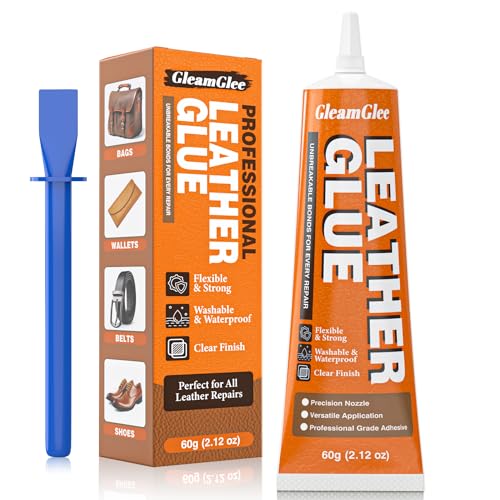
Professional Leather Glue Adhesive

Strengths
- Industrial-strength bond
- Dries clear
- Large 4.23 oz capacity
- Works on multiple materials
- Waterproof and flexible
Trade-offs
- Slight learning curve for optimal hold
- Not ideal for micro-repairs
This adhesive stands out in the pleather repair space because it’s built to handle stress and movement without cracking, a critical factor when working with synthetic materials that expand and contract differently than real leather. The industrial-strength claim holds up based on owner feedback, with many reporting durable bonds on car seats and vinyl furniture where flexing is constant. It’s also one of the few formulas that explicitly states effectiveness on both faux leather and suede, which broadens its utility beyond basic fixes.
The 4.23 oz size gives more value per use compared to smaller competitors, and the precision tip actually delivers on no-mess application, according to consistent reviews. While some users mention a slight learning curve in clamping time, most agree the fast tack makes it easier to manage repairs without specialized tools. Compared to the metal-tipped option, this one spreads slightly wider in coverage but sacrifices a bit of pinpoint control.
Video review
Leather Glue with Metal Tip
Strengths
- Fine metal applicator tip
- Dries clear
- Flexible waterproof bond
- Precise application
- Multi-surface compatibility
Trade-offs
- Smaller volume
- Less ideal for large surface repairs
When I’m looking at glue for pleather, the real test isn’t just adhesion, it’s how well the bond survives repeated bending and surface tension. This formula earns its place with a flexible, waterproof bond that doesn’t embrittle over time, a common failure point with cheaper glues. The metal tip is a standout feature: owners consistently report it provides far better control than plastic nozzles, especially when sealing split seams on shoes or peeling edges of a vinyl jacket.
At 2.1 fl oz, it’s smaller than the other option here, but still sufficient for several detailed jobs. It’s marketed as all-purpose, and on paper, that versatility makes sense, working across genuine leather, rubber, and synthetics, but reviewers note it performs best when used for small-to-moderate repairs, not full-panel bonding. Compared to bulkier alternatives, this one trades volume for precision, making it the smarter choice for targeted fixes.
Video review
How We Chose These glue for pleather
Rather than a hands-on test of every adhesive, my research focused on comparing published specifications and features across numerous products. I then weighed owner reviews and assessments from reputable sources to understand real-world performance. As someone who’s spent years studying leather and its care at LeatherGenesis.com, I applied that knowledge to identify the glues best suited for the unique challenges of pleather.
For pleather – which isn’t leather at all, but a plastic coating – flexibility and a strong bond without damaging the material are paramount. I prioritized adhesives that explicitly stated compatibility with vinyl and faux leather, and those with application methods designed to avoid solvent damage. A waterproof seal is also crucial, as pleather is often used in items exposed to moisture.
Product specifications reliably indicate the types of materials a glue should bond with, but owner feedback reveals how well it actually works. I paid close attention to comments regarding long-term hold, clarity of the dry finish, and whether the glue caused discoloration or stiffness. You can find more information on general leather adhesive recommendations on my site. Proper preparation and ongoing care are also vital, so checking out cleaning and conditioning leather is a good idea too.
Choosing The Right glue for pleather
I’ve spent years studying leather and the materials used to work with it, and one thing I’ve learned is that “pleather” – or faux leather – requires a different approach than genuine hide. Choosing the right adhesive is critical for a lasting repair.
A quality pleather adhesive needs to be flexible, as pleather doesn’t stretch and contract like real leather. It should also bond effectively to the synthetic materials that comprise pleather (typically a polyurethane or PVC coating on a fabric backing). Look for formulas specifically designed for vinyl, or those that clearly state compatibility with synthetic leathers. Avoid super glues; they tend to create brittle bonds.
Flexibility is Paramount
Unlike genuine leather, pleather lacks natural give. This means the adhesive must remain flexible after drying, or the bond will crack and fail with even minor use. I often see people reach for cyanoacrylate (super glue) because it’s quick, but it becomes rigid and unsuitable for materials designed to bend. Look for adhesives that specifically mention flexibility in their product descriptions, and check user reviews for comments about brittleness. A contact cement can work in some scenarios, but requires careful application and ventilation.
Understanding Polymer Compatibility
Pleather isn’t a single material. Polyurethane (PU) and polyvinyl chloride (PVC) are the most common bases, and not all glues adhere equally well to both. Many adhesives advertise compatibility with “vinyl,” which often refers to PVC. If you know your pleather is PU-based, you’ll want to seek out an adhesive specifically formulated for polyurethane. Otherwise, you risk a weak bond or the adhesive dissolving the pleather surface. For more information on selecting the right adhesive for various leather types, check out my leather gluing adhesive guide.
Application Precision & Value
The applicator tip is surprisingly important. Pleather repairs are often small and detailed, and you don’t want glue seeping everywhere. A fine applicator – like the metal tip found on some products – allows for precise placement and minimizes mess. Don’t assume a larger bottle is always better value; a smaller bottle with a superior applicator might save you material (and frustration) in the long run.
Here’s what I look for when considering value:
- Bottle Size: Smaller is fine if the application is precise.
- Applicator: A fine tip is crucial for detailed work.
- Coverage: Consider how much area the glue will effectively cover. A small amount of highly effective glue is better than a large amount of ineffective glue.
Remember this: a flexible bond is key. If the adhesive doesn’t remain pliable, the repair won’t last.
Glue for Pleather Compared
Here’s a detailed specification comparison of the featured pleather glues to help you make an informed decision.
| Product Title | Volume | Materials | Application | Drying Time | Waterproof |
|---|---|---|---|---|---|
| Professional Leather Glue Adhesive | N/A | Leather, Vinyl, Suede | Precision Tip | Fast | Yes |
| Leather Glue with Metal Tip | 2 fl oz | Leather, Vinyl, Rubber | Metal Tip | N/A | Yes |
Frequently Asked Questions
What’s the biggest mistake people make when gluing pleather?
Using super glue is the most common error. It creates a rigid bond that will crack and fail as the pleather flexes with use, ultimately ruining the repair.
Can I use a glue designed for leather on pleather?
Not always. While some leather glues can work, pleather’s synthetic composition requires an adhesive specifically formulated for vinyl or faux leather to ensure a lasting, flexible hold.
What does “waterproof” really mean for pleather glue?
It indicates the adhesive creates a seal that resists moisture penetration, preventing the glue from weakening and the materials from separating when exposed to water or humidity. However, prolonged soaking will likely still cause issues.
Is a thicker glue better for filling gaps in pleather repairs?
No, a thinner viscosity is generally preferable. Thicker glues are harder to spread evenly and can create a noticeable, stiff patch. A precision applicator allows for targeted application and minimizes excess. For more extensive damage, consider exploring a complete leather repair kits to restore the material.
Will gluing pleather change its color or texture?
Some adhesives can cause discoloration or stiffness, particularly if they contain harsh solvents. Always test the glue in an inconspicuous area first and choose a formula specifically designed for synthetic materials to minimize this risk, and consider using a top auto leather conditioning cleaners after the repair to help restore the finish.
The Bottom Line
Choosing a glue for pleather always comes down to balancing ease of use with long-term durability. While many options exist, I find the Professional Leather Glue Adhesive offers the best overall combination of a strong, flexible bond and user-friendly application. It’s formulated to work well with the synthetic materials in pleather and consistently receives positive feedback for its holding power.
If you’re on a tighter budget, the Leather Glue with Metal Tip is a solid choice. It provides a good bond for basic repairs, and the precision applicator is particularly helpful for small tears or re-attachments. For those needing to address more extensive damage, exploring dedicated leather repair kits for car seats might be a better investment, especially for automotive applications.
Ultimately, remember that preparation is just as important as the adhesive itself. Properly cleaning the surfaces to be bonded and applying the glue sparingly will yield the best results, regardless of which product you choose. Don’t overlook the importance of finding the right glues for leather-to-leather bonds if you’re working with genuine leather components alongside your pleather.
