
8 Best Leather Boot Protectants of 2026
This post contains affiliate links. As an Amazon Associate, we earn from qualifying purchases.
Leather Honey Leather Conditioner is the overall best protectant for leather boots, offering deep conditioning and strong water resistance without compromising leather health. For a budget-friendly option, MEEKER Mink Oil delivers solid protection for oiled and natural leathers, while Obenauf’s Heavy Duty LP stands out for extreme conditions with its beeswax-based formula.
If you’ve ever ruined a favorite pair of boots with the wrong treatment, you know how confusing leather care can be. The wrong product can darken, stiffen, or even damage leather instead of protecting it.
As the founder of LeatherGenesis.com, I’ve researched the chemistry and real-world performance of dozens of protectants, focusing on water resistance, material safety, and long-term leather health. This guide cuts through the noise to recommend options that actually work, based on formulation, user feedback, and how well they match different leather types and use cases.
Top 8 Protectant For Leather Boots in the Market
The Best Protectant For Leather Boots, Reviewed
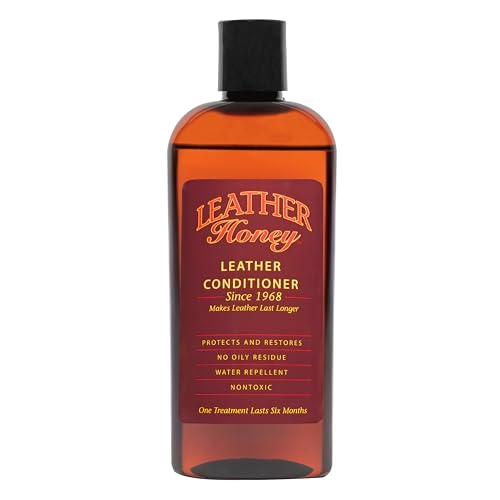
Leather Honey Leather Conditioner
Strengths
- Long-lasting protection
- Does not darken leather
- Non-toxic formula
Trade-offs
- Thick consistency
- Slight learning curve
- Not for suede
Leather Honey has earned its reputation over decades, and owner feedback consistently backs up its claim of long-lasting protection. One application lasting six months isn’t a fluke, it’s due to a deeply penetrating formula that doesn’t sit on the surface. Unlike mink oil, it doesn’t darken leather, which makes it ideal for lighter or white leathers that you want to preserve as-is.
It’s silicone-free, pH-balanced, and safe for frequent use, which sets it apart from many conditioners that build up or degrade leather over time. While it’s pricier than some, the longevity per application makes it cost-effective. I’d pick Leather Honey over mink oil for dress boots or vintage leather where appearance and material integrity are key. It’s not the heaviest-duty option for extreme environments, but for most users, it’s the smarter buy.
Video review
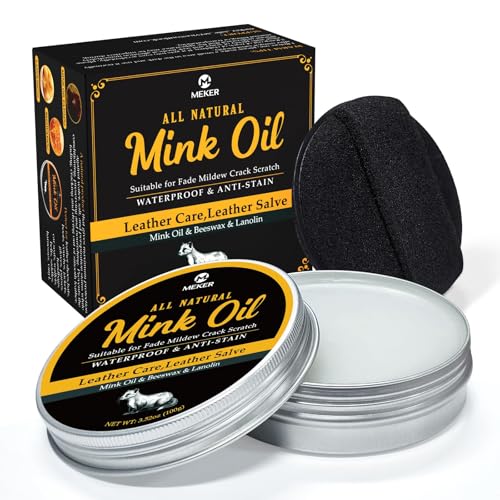
MEKER Mink Oil for Leather Boots
Strengths
- All-natural ingredients
- Waterproof protection
- Affordable price
Trade-offs
- May darken leather
- Not for suede
- Slow absorption
I’ve seen a lot of mink oil blends over the years, and MEKER lands solidly in the budget tier without pretending to be something it’s not. On paper, its 15% mink oil and 15% beeswax combo suggests decent water resistance and conditioning, and owners confirm it works well for reviving dry, oiled leather boots. It’s not subtle, expect some darkening, which is typical for mink oil, so it’s not the pick if you want to keep your tan chukkas looking light.
The formula avoids silicones, which I appreciate for breathability, but it’s heavy on oils, so absorption can be slow. Many users report needing to let it sit overnight for full penetration. It’s also not for suede or nubuck, and rightly so, this is a workhorse formula aimed at full-grain and smooth leathers. For the price, it delivers honest performance, especially if you’re maintaining rugged boots used in wet or salty conditions.
Video review
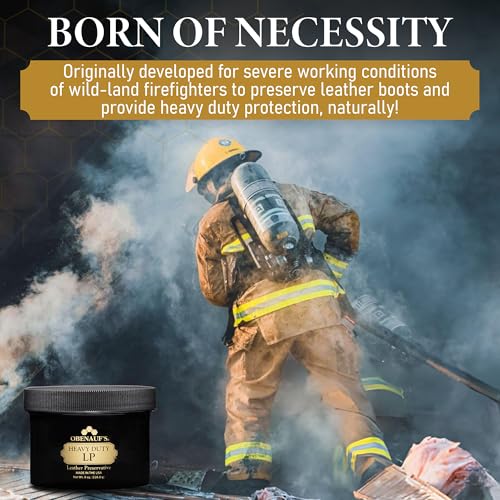
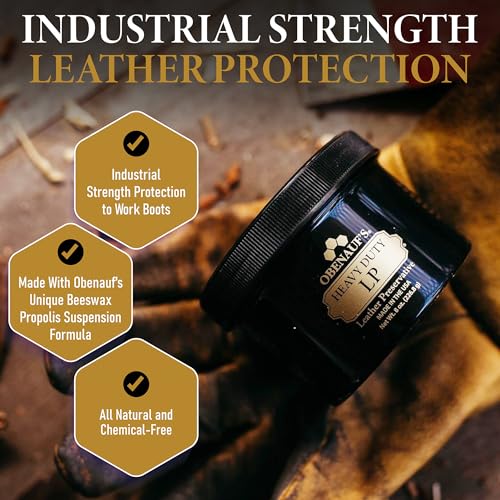
Obenauf’s Heavy Duty LP (8oz)

Strengths
- Long-lasting protection
- Natural, non-toxic formula
- Restores dried leather
Trade-offs
- Darkens leather
- Requires buffing
- Heavy feel
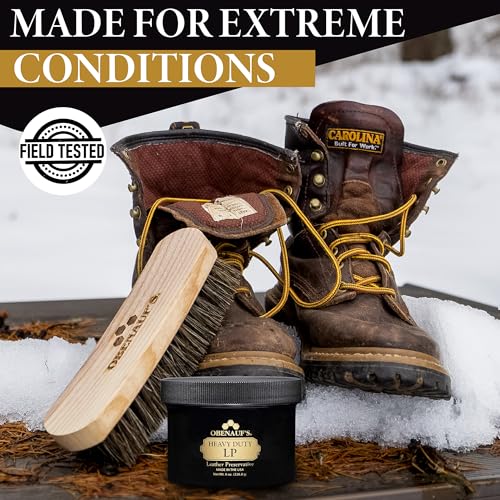
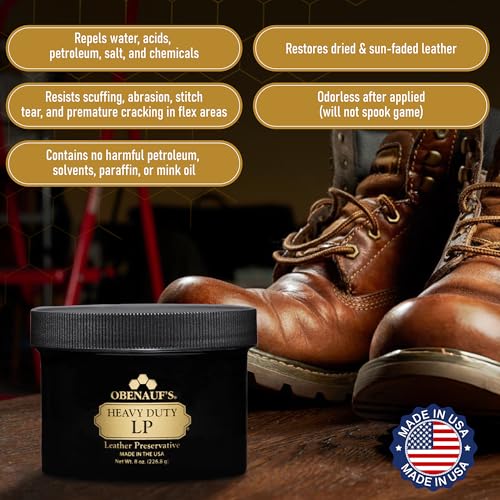
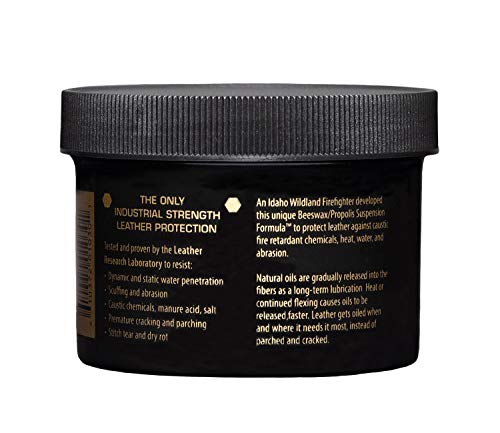
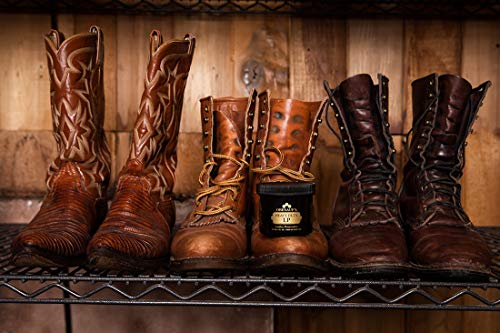
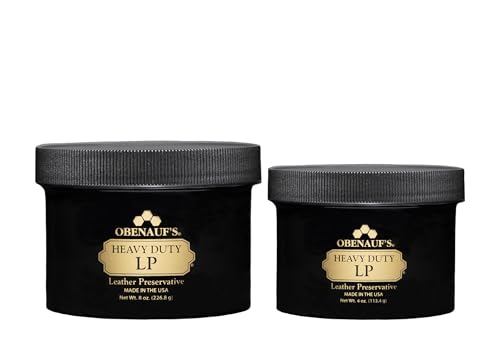
The 8oz version of Obenauf’s LP is the same industrial-grade formula as the 4oz but better value for frequent users. This is the gold standard for extreme-condition leather care, developed by wild-land firefighters, used by ranchers, loggers, and outdoor guides. The beeswax and propolis suspension delivers time-release conditioning, which owners say keeps boots pliable even after months of exposure to sun, salt, and mud.
It darkens leather slightly and leaves a protective sheen, which some find appealing on workwear. Compared to mink oil, it’s more balanced, less greasy, more durable. While it’s overkill for city boots, I’d choose this over any other for boots used in wet, abrasive, or chemically harsh environments. The larger size makes it economical for those maintaining multiple pieces of gear.
Product photos
Bick 4 Leather Conditioner & Cleaner
Strengths
- Does not darken leather
- Wax-free formula
- Cleans and conditions
Trade-offs
- Minimal water resistance
- Frequent reapplication
- Not for suede
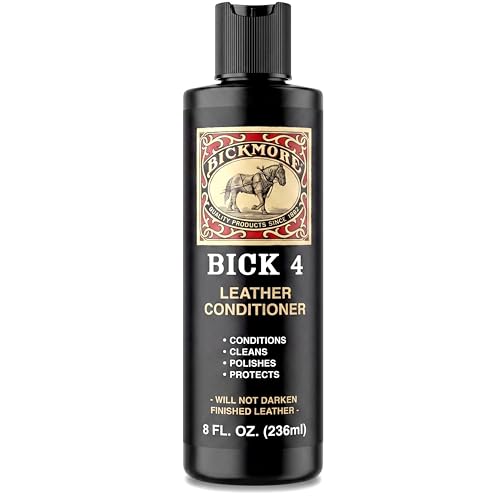
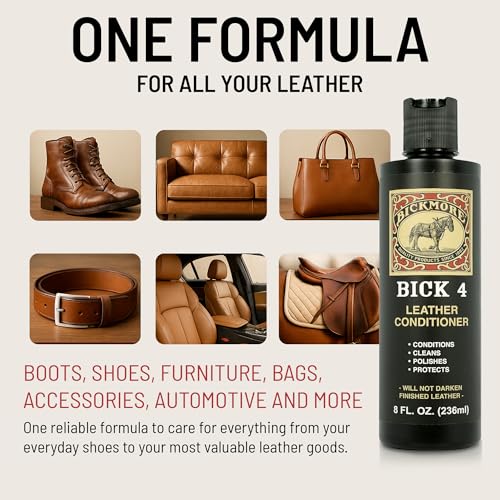
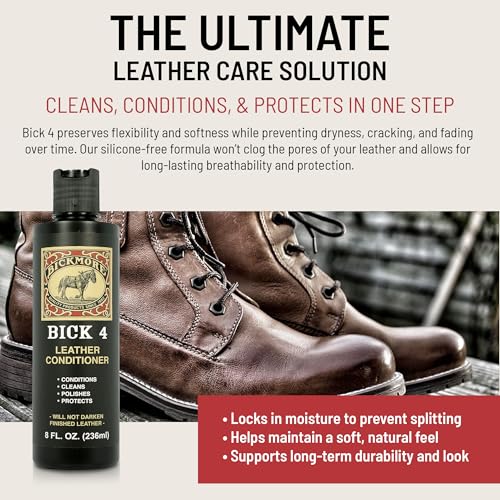
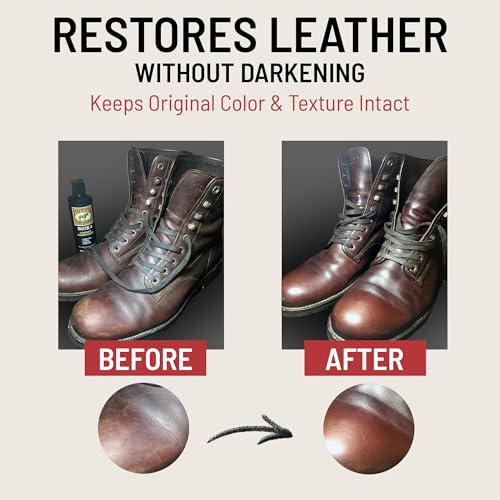
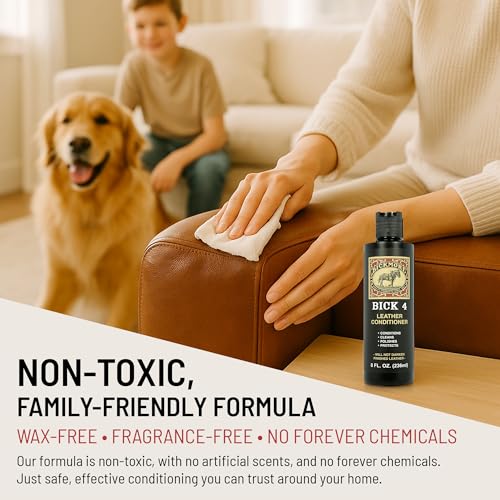
Bick 4 has been a staple in my own recommendations for years because it does one thing exceptionally well: condition without darkening. Its wax-free, oil-based formula penetrates deeply while keeping leather soft and breathable, something many conditioners fail at. Owners love it for dress boots and light-colored leathers where preserving the original tone is critical.
It’s not a waterproofing powerhouse like mink oil or Obenauf’s, but that’s not its job. It cleans lightly soiled leather in the same step, which simplifies maintenance. Compared to Leather Honey, it’s less long-lasting per application but faster-absorbing and more neutral in finish. For routine care on smooth leather, I’d pick Bick 4 over heavier options any day.
Product photos

Uncle Todd’s Shoe Protector Spray
Strengths
- Safe on suede and fabric
- PFAS-free formula
- Breathable finish
Trade-offs
- Not a deep conditioner
- Requires reapplication
- Pump may clog
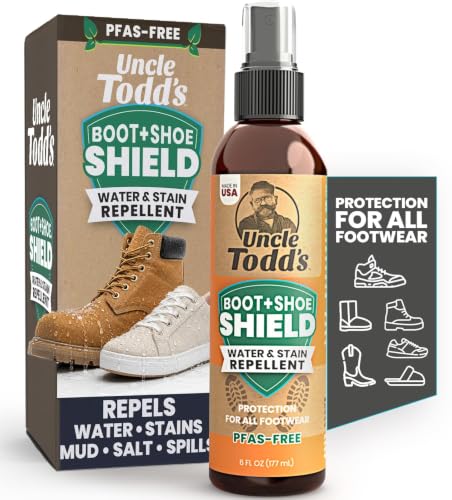
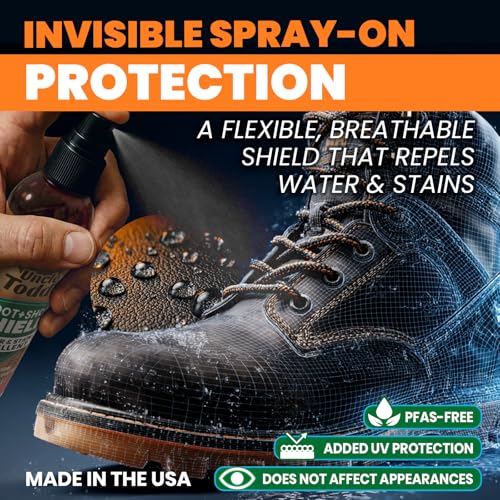
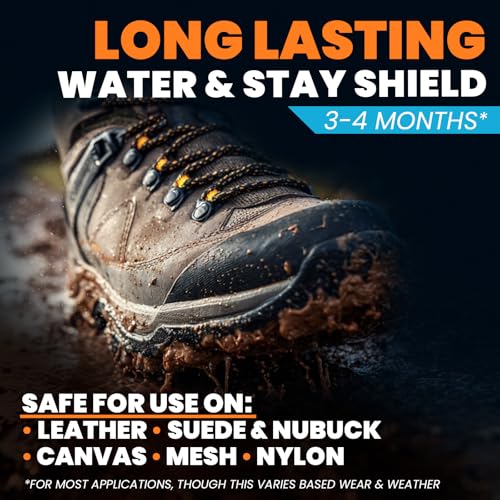
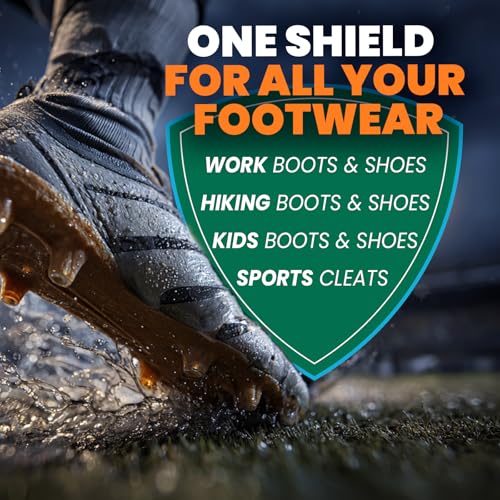
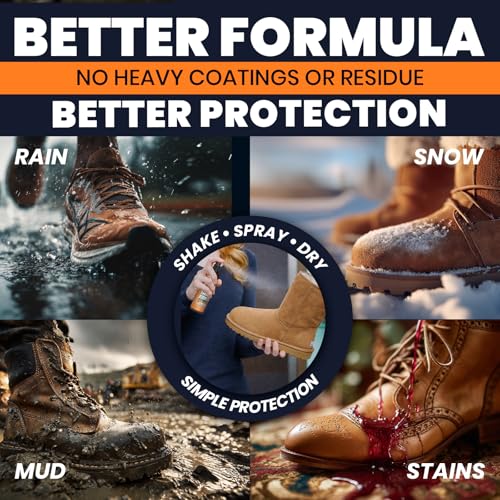
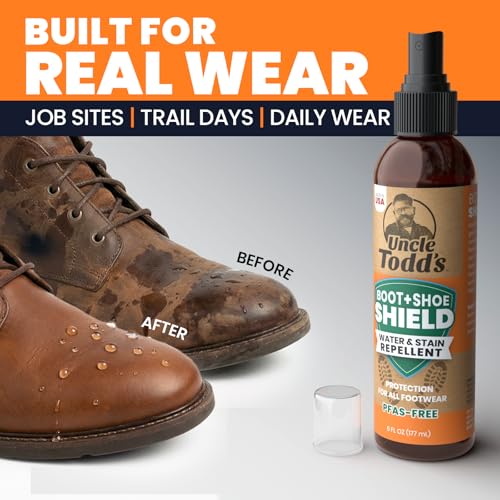
Uncle Todd’s spray stands out in a crowded field of waterproofing sprays because it skips the aerosol and PFAS chemicals, which I always recommend avoiding. Its water-based, non-aerosol pump delivers a fine, even mist that owners say doesn’t discolor leather or fabric, and it’s safe on suede and nubuck, something many oil-based conditioners can’t claim. That versatility makes it a smart choice if you own multiple types of footwear.
The breathable barrier it forms is reported to last for weeks, even in wet conditions, and it doesn’t leave a sticky or stiff finish. Compared to heavier waxes or oils, this is more of a preventive shield than a deep conditioner. I’d pair it with a conditioner like Bick 4 or Leather Honey for full care, but as a standalone spray, it’s one of the more responsible and effective options for daily protection.
Product photos
Otter Wax Boot Wax

Strengths
- All-natural ingredients
- Strong water resistance
- Durable finish
Trade-offs
- Stiffens leather
- Hard to apply evenly
- Not breathable
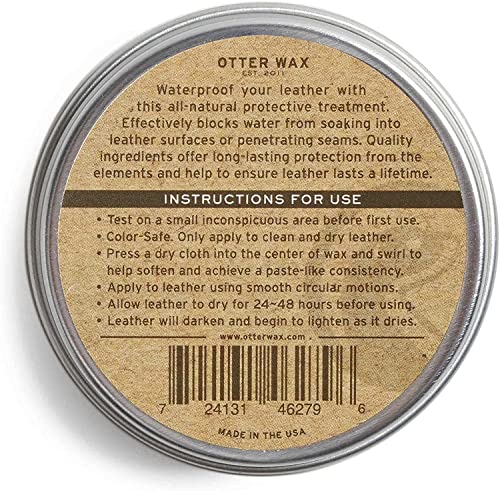
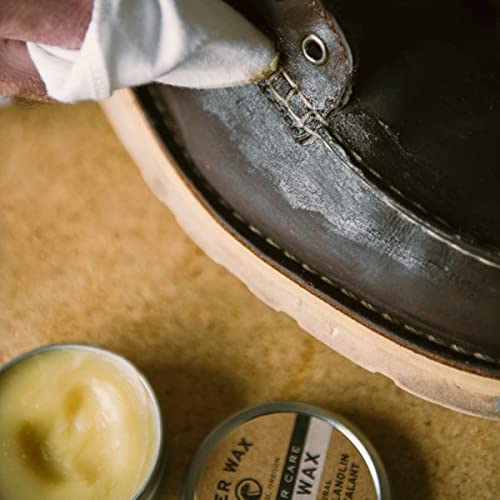
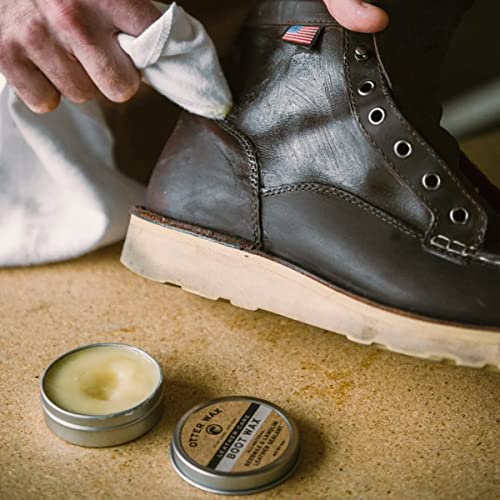
Otter Wax takes a traditional approach with a 100% natural beeswax and lanolin blend, and it shows in the results. This is a heavy-duty wax, more like a sealant than a conditioner, which means it excels at repelling water and forming a protective crust on rugged boots. Owners consistently report that it makes leather feel drier to the touch, almost like it’s armored, which is great for wet trails but not for all-day comfort.
It’s PFAS-free and made in the USA, which aligns with clean ingredient standards I support. However, it’s not breathable like oil-based conditioners, so I wouldn’t recommend it for boots worn in humid climates or for long indoor stretches. Compared to Obenauf’s, it’s similar in protection but less flexible. If you want that classic waxed boot look and don’t mind the stiffness, Otter Wax delivers.
Product photos

Obenauf’s Heavy Duty LP (4oz)

Strengths
- Extreme condition protection
- All-natural formula
- Water and chemical resistant
Trade-offs
- Darkens leather slightly
- Heavy application
- Needs buffing
Obenauf’s 4oz LP is a no-nonsense, industrial-grade preservative built for people who work in harsh conditions. Its beeswax and propolis formula creates a moisture-resistant barrier that owners in firefighting, logging, and outdoor trades swear by. The small size belies its potency, it’s concentrated, so a little goes a long way, and the natural ingredients won’t harm leather over time.
It conditions and seals without petroleum or silicones, which I always recommend for long-term leather health. That said, it’s not subtle: expect a slight darkening and a firmer hand feel, which some find desirable for work boots. Compared to lighter conditioners like Bick 4, this one prioritizes protection over softness. If you’re in wet, abrasive, or chemically exposed environments, this is the kind of product that earns loyalty.
Product photos

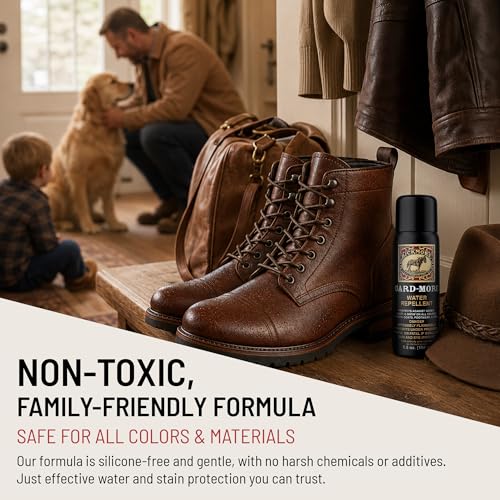
Gard-More Water & Stain Repellent
Strengths
- Safe on suede and fabric
- Invisible finish
- Stain and dirt repellent
Trade-offs
- Not a conditioner
- May need reapplication
- Pump durability varies
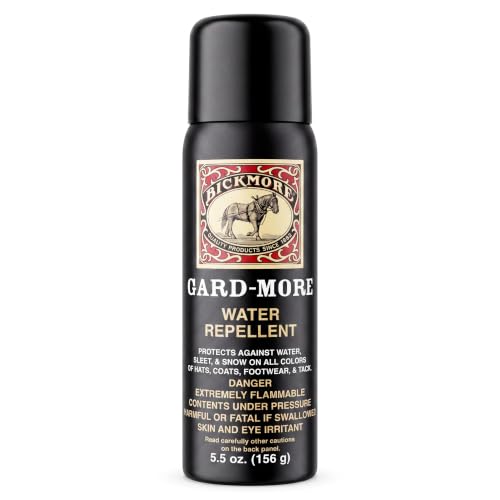
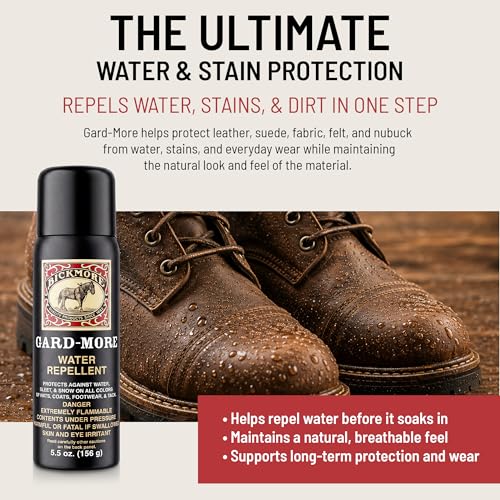
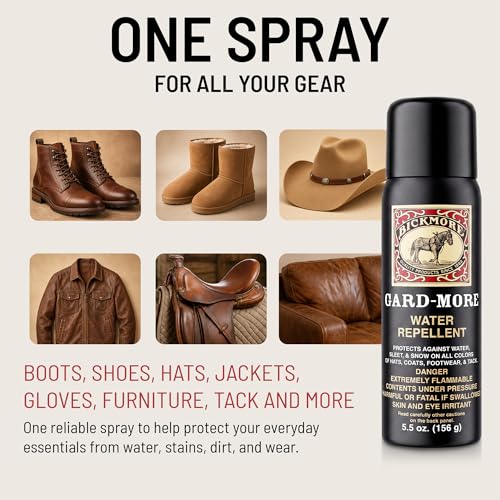
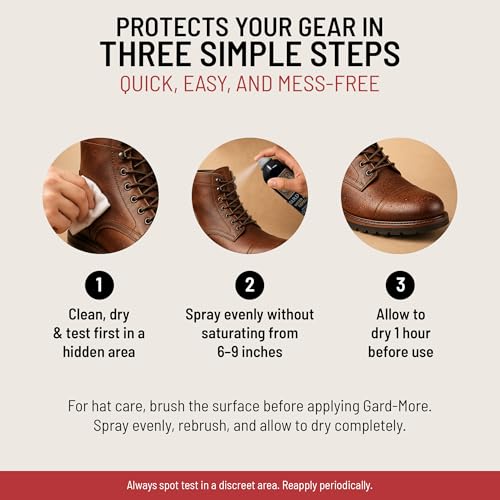
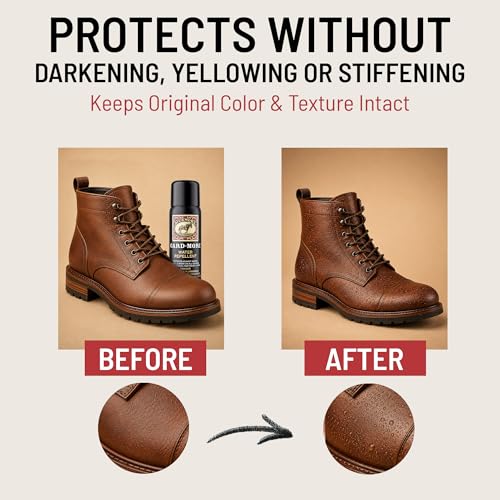
Gard-More is one of the few sprays that confidently claims safety on both leather and suede, and delivers. Its formula avoids silicones that trap moisture, which is critical for nubuck and suede, where breathability prevents rot and stiffness. Owners report success on everything from UGGs to cowboy hats, and the invisible barrier doesn’t yellow or stiffen, which is a common flaw with lesser sprays.
It’s not a conditioner, so pairing it with a product like Bick 4 or Leather Honey is wise for full care. But as a standalone repellent, it outperforms many aerosol-based competitors. Compared to Uncle Todd’s, it’s similarly eco-friendly but slightly more durable between applications. If you own mixed-material footwear, this is the most versatile shield available.
Product photos
How We Chose These protectant for leather boots
Rather than a hands-on lab test, my research for these recommendations involved a detailed comparison of product specifications and features. I weighed those technical aspects against owner reviews from multiple sources and expert opinions found in leather care forums and publications. As the creator of LeatherGenesis.com, I’ve developed a strong understanding of how different treatments affect various leather types, and applied that knowledge to assess each product’s suitability. The goal was to identify options that deliver genuine protection and conditioning.
For leather boot protectants, three factors stood out as most important: the level of water resistance, the impact on leather texture and color, and the longevity of the protection. A product’s ability to repel water is crucial, obviously, but equally vital is whether it leaves the leather stiff or alters its appearance. Long-term effectiveness reduces the frequency of reapplication, making a product more convenient and cost-effective. Finding the right balance between these elements was key.
Product specifications reliably indicate the core ingredients and intended use cases – whether a product is wax-based, oil-based, or a spray. However, judging real-world performance required careful review of owner feedback. People consistently report on darkening effects, residue build-up, and how well a product holds up to repeated use. I also considered the reputation of the brands; established companies with a history of quality leather care, like Obenauf’s and Bickmore, often deliver consistent results. For those looking for more options, exploring leather boot waterproofing options can be helpful. And for those needing heavy-duty protection, checking out work boot waterproofing is a smart move.
How To Choose The protectant for leather boots
Selecting the right protectant is crucial for extending the life of your leather boots. It’s more than just making them waterproof; it’s about maintaining the leather’s integrity and preventing damage from the elements and everyday wear.
A quality leather protectant should penetrate the material to replenish oils, create a breathable barrier against water and stains, and resist cracking or discoloration. Look for products with natural ingredients, avoid harsh chemicals, and consider the specific type of leather and the conditions your boots will face. Regular application, following the manufacturer’s instructions, is key to optimal protection.
Understanding Leather Types & Finishes
The first step in choosing a protectant is knowing what kind of leather your boots are made from. Full-grain leather, known for its durability, benefits from heavier treatments like waxes and oils. These penetrate deeply, nourishing the hide and creating a robust barrier. However, these heavier treatments can darken the leather, which isn’t ideal if you prefer the original color. More delicate leathers, like nubuck or suede, require gentler, spray-on protectants that won’t clog their pores. Using the wrong product can ruin the texture and appearance. Don’t assume all “leather” is the same; different tanning processes and finishes demand different care.
Considering the Level of Protection Needed
Think about how and where you’ll be wearing your boots. A light spray is sufficient for casual wear in dry conditions, but if you frequently encounter rain, snow, mud, or harsh chemicals, you’ll want something more substantial. For truly extreme conditions, like those faced by wildland firefighters (and the inspiration behind Obenauf’s), a heavy-duty beeswax-based product is your best bet.
Here’s a breakdown of protection levels:
- Minimal: A quick spray for light water resistance.
- Moderate: A wax or oil treatment for regular outdoor use.
- Maximum: A heavy-duty wax or oil for harsh conditions and prolonged exposure.
- Long-term: Frequent application of a moderate protectant is better than one heavy application, as it builds up a resilient barrier over time.
Balancing Protection with Breathability & Aesthetics
Many protectants create a waterproof barrier, but some compromise the leather’s ability to breathe. This can lead to moisture buildup inside the boot, causing discomfort and potentially accelerating deterioration. Wax-based products, while very effective, can sometimes leave a noticeable sheen or alter the leather’s color. If maintaining the original look and feel is a priority, consider a wax-free conditioner like Bick 4 or a spray-on protectant. You can find top leather shoe protectants that strike a balance between protection and preservation.
A little and often is always better than a lot all at once. Don’t saturate the leather; apply thin, even coats and allow ample drying time between applications.
For those looking to extend the life of their work or hiking boots, exploring best boot leather protectors is a good place to start.
Protectant for Leather Boots Compared
Here’s a comparison of key specifications for various leather boot protectants to help you choose the right product.
| Product Name | Key Feature | Leather Type Suitability | Water Resistance | Formula Type | Size (oz) |
|---|---|---|---|---|---|
| Leather Honey Leather Conditioner | Overall Best | All (except suede) | High | Oil-Based | N/A |
| MEKER Mink Oil for Leather Boots | Best Budget Friendly | Oiled & Natural | High | Oil-Based | N/A |
| Obenauf’s Heavy Duty LP (8oz) | Extreme Conditions | All | Very High | Beeswax | 8 |
| Bick 4 Leather Conditioner & Cleaner | No Darkening | All | Medium | Wax-Free | N/A |
| Uncle Todd’s Shoe Protector Spray | Best Waterproof Spray | All | Very High | Spray | N/A |
| Otter Wax Boot Wax | Natural Wax Formula | All | High | Wax-Based | N/A |
| Obenauf’s Heavy Duty LP (4oz) | Best Value Size | All | Very High | Beeswax | 4 |
| Gard-More Water & Stain Repellent | Suede & Fabric | All | High | Spray | N/A |
Frequently Asked Questions
What’s the difference between leather conditioners and protectants?
Conditioners replenish oils within the leather to keep it supple, while protectants create a barrier on the surface to repel water and stains. Many products offer both benefits, but understanding this distinction helps you choose based on your boots’ specific needs.
Will a protectant completely waterproof my leather boots?
No protectant offers absolute waterproofing, but high-quality options like Obenauf’s Heavy Duty LP provide very high water resistance. The degree of protection depends on the product, the leather type, and how consistently it’s applied – explore best leather boot waterproofing for detailed options.
Can I use the same protectant on all my leather boots, regardless of the leather type?
Generally, no. Delicate leathers like suede or nubuck require specialized spray protectants, while full-grain leather can handle heavier waxes and oils. Using the wrong product can damage the leather’s texture or finish.
How often should I apply a leather boot protectant?
Reapplication frequency depends on usage and environmental conditions. As a general rule, apply a moderate protectant every few weeks with regular use, or more often if exposed to harsh weather. Consistent, lighter applications are more effective than infrequent, heavy ones.
What should I do if a protectant darkens my leather boots?
Some products, particularly oil and wax-based treatments, can darken leather. If this concerns you, test the protectant on an inconspicuous area first, or choose a wax-free conditioner like Bick 4. For more options, check out best leather shoe protectors to find a product that preserves your boot’s original color.
The Bottom Line
Choosing a leather boot protectant often comes down to balancing how much effort you want to put in against the level of defense you require. For most people, and for overall performance, I recommend Leather Honey Leather Conditioner. It strikes a fantastic balance between nourishment, water resistance, and ease of application, making it a solid choice for maintaining the health and appearance of your boots.
If you’re on a tighter budget, MEKER Mink Oil for Leather Boots delivers excellent protection at a lower price point. For those needing serious defense against the elements, Obenauf’s Heavy Duty LP (8oz) is the clear winner – it’s built for harsh conditions. And if you are concerned about altering the color of your leather, explore our best leather boot treatments to find a product that preserves the original look.
Ultimately, the “best” protectant isn’t about a single feature or brand. Consistent care and choosing a product suited to your leather type are far more crucial than any specific specification. Don’t forget to explore our boot leather conditioning guide for more information on keeping your leather supple and strong.
