
What Is Leather Patina | The Chemistry That Makes It Last
This post contains affiliate links. As an Amazon Associate, we earn from qualifying purchases.
Leather patina is the cumulative, often desirable change in a leather surface’s color, texture, and sheen caused by the breakdown and oxidation of its natural oils, pigments, and tannins over years of use and exposure. It’s the physical record of a life lived, not just cosmetic aging. The process is a slow chemical reaction, not magic.
The difference between a rich patina and simple grimy wear comes down to the leather’s base materials, specifically, the type of tannins and oils used, and the conditions it faces. Full-grain, vegetable-tanned, and aniline-dyed leathers develop the most character because their surfaces are minimally altered and packed with natural compounds that react to light, air, and skin oils. Corrected grain or heavily painted leathers resist this change.
What follows is a breakdown of the chemistry at the fiber level, a guide to which leathers actually patinate versus just wearing out, and the one simple test you can do in a store to spot leather built for the long haul.
Key Takeaways
- Patina is a chemical process where natural oils, tannins, and dyes oxidize and migrate, creating a deeper, richer surface, it’s not just dirt or fading. The potential for a rich patina is locked in during tanning; vegetable-tanned and aniline-dyed full-grain leathers have the highest capacity for development.
- Over-conditioning leather, especially with silicone-heavy products, can clog pores and prevent patina from forming evenly, leaving a stiff or blotchy surface.
- Coated, corrected-grain, or heavily pigmented leathers are designed to resist patina; they wear down instead of developing character.
- You can assess patina potential by bending the leather, if the color lightens temporarily (the pull-up effect), it indicates oils are present and mobile, ready to evolve.
The Chemical Basis of Patina
Forget the vague poetic descriptions. Patina is applied chemistry. At its core, it’s the result of two main processes: oxidation and migration. The natural fats and oils used during tanning and conditioning slowly oxidize when exposed to air and light. This reaction gradually darkens and enriches the leather’s color from within.
Simultaneously, these oils, along with the soluble tannins from the tanning process, migrate through the leather fibers toward the surface over years of flexing and handling. They redistribute the color. This is why the high spots on a wallet or bag handle darken first, more pressure, more oil movement, more concentrated color. A 2017 review in the Journal of Basics and Applied Sciences Research on the chemistry of leather tanning confirms that the structural changes to collagen fibers during tanning directly influence how leather ages and develops character.
This migration and oxidation process is why patina feels like part of the leather, not a layer on top. It’s a transformation of the material itself, which is why it can’t be perfectly replicated with surface stains or waxes.
The role of your own skin oils is real but often overstated. They contribute, but the foundational oils are already in the leather. Your handling simply warms the leather, making those internal oils more fluid, and accelerates the migration to points of contact. Light, especially ultraviolet light, acts as the primary catalyst for the oxidation reactions. A bag kept in a dark closet will age far slower than one used daily in the sun.
Patina vs. Damage: Knowing the Difference
A rich patina is smooth, with a warm, deep glow that seems to come from within the leather. Damage is rough, cracked, dry, and often discolored in a harsh, uneven way. The line between them is physical.
Scratches can blend into a patina if the leather is healthy and oily. The scratch temporarily displaces the surface finish and underlying dye, but as oils move back into the area, it often darkens slightly, becoming a faint, character-adding mark. On dry or low-quality leather, that same scratch cuts the surface finish and exposes the pale, unfinished fibers beneath, leaving a permanent, stark white line.
Stiffness is another tell. Leather developing patina should remain supple. If it becomes stiff, hard, or brittle, that’s not patina, it’s dehydration or finish failure. Water damage shows as dark, blotchy spots that feel cooler and stiffer than the surrounding leather. Patina is uniform in its evolution across high-contact areas; stains are isolated and often have a hard edge.
Common mistake: Conditioning leather on a strict monthly schedule. Leather isn’t a car that needs an oil change. Condition only when it feels dry to the touch, not supple. Over-conditioning, especially with products containing silicone or wax, creates a buildup that clogs the leather’s pores. This blocks the internal oil migration that creates even patina, leading to a stiff, greasy feel and uneven darkening.
I learned this through repetition. A client kept treating a beloved belt every few weeks, following advice from a well-meaning but generic guide. After a year, the leather felt almost plastic-coated and had developed dark, gummy patches near the buckle where the product pooled. We had to strip it back with a gentle saddle soap, a product I rarely recommend, just to restart the process. Now I teach the touch test: if it’s supple, leave it alone.
Leather Types and Their Patina Potential
Not all leather is created equal for aging. The patina potential is determined at the tannery. Here’s how the most common types stack up.
| Leather Type | Key Characteristic | Patina Potential & Notes |
|---|---|---|
| Full-Grain | The top, unaltered layer of the hide, including natural markings. | Highest. The intact grain structure and natural oils allow for deep, complex patina. Develops a rich, personalized character over decades. See the pros and cons of full-grain leather for a deeper dive. |
| Vegetable-Tanned | Tanned using natural plant tannins (oak, chestnut). | Very High. Reacts strongly to sunlight and oils, darkening and developing a warm, amber-to-brown tone over time. The classic choice for patina enthusiasts. |
| Aniline | Dyed with soluble dyes without a heavy surface pigment layer. | High. Shows the natural hide character clearly. Develops a soft, rich patina but is more susceptible to water spots and stains due to its open pore structure. |
| Pull-Up | Impregnated with oils and waxes during tanning. | High, but Immediate. Has a built-in “patina” that changes with flexing (lightens when stretched). Long-term aging adds to this effect. |
| Oil-Tanned | Heavily stuffed with oils for water resistance. | Moderate-High. Develops a rugged, worn-in workwear character. The patina is more about texture and a greasy sheen than dramatic color change. |
| Nubuck | The grain side sanded to a velvet-like nap. | Moderate. Develops a darker, polished sheen on high-contact areas. The nap can flatten and change color, but it requires careful cleaning to avoid staining. |
| Suede | The flesh side of the hide, sanded. | Low-Moderate. Develops a darker patina on edges and high spots, but the nap can mat down and become discolored if not carefully maintained. |
| Corrected Grain | The grain surface sanded or buffed to remove imperfections, then embossed and heavily finished. | Low. The thick topcoat of pigment and sealant resists oil penetration and color change. It wears down (scratches, scuffs) rather than developing a true patina. |
Full-grain leather is the undisputed champion for patina. Because its dense, natural fiber structure remains intact, oils and tannins have a consistent matrix to migrate through. Every scratch and scuff becomes part of the story, not a flaw. Conversely, corrected grain leather is literally designed for consistency. Its thick, uniform finish is a barrier that prevents the underlying leather from participating in the chemical conversation of aging.
Specialty leathers have unique paths. The distinctive patina of Shell Cordovan leather is legendary, a deep, glowing, almost iridescent shine that develops over decades with polishing and wear, unlike any other material. Meanwhile, the rich patina of aniline leather is all about depth and transparency, allowing the hide’s natural markings to become more pronounced.
How to Encourage (Not Force) a Good Patina
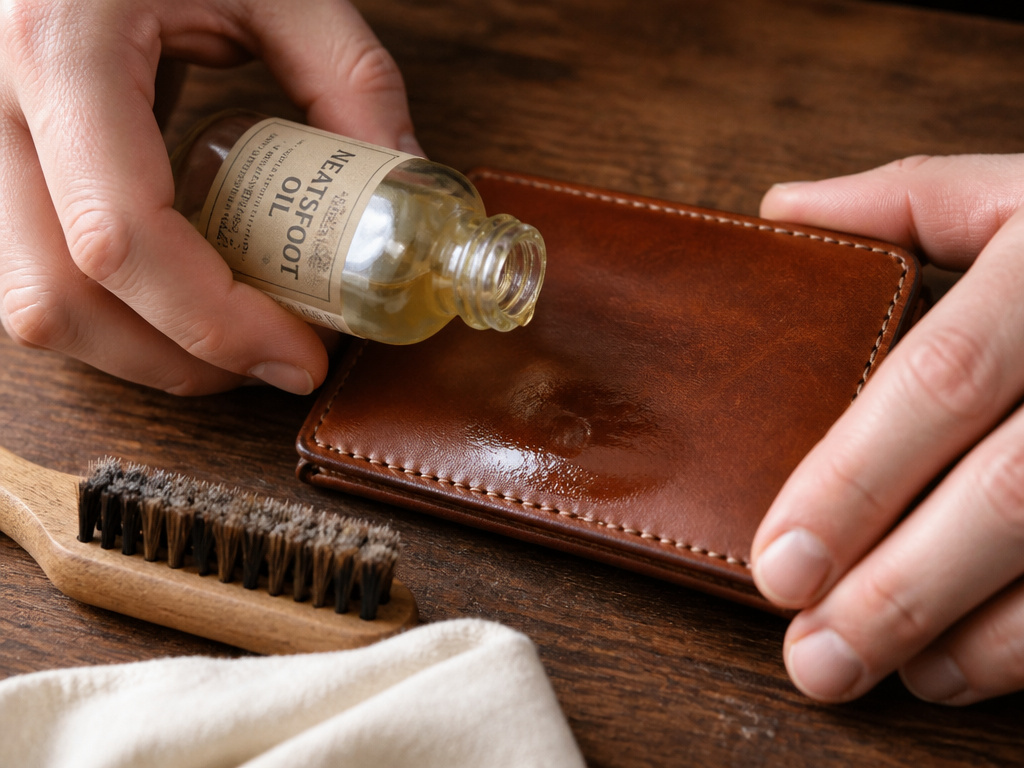
Patina can’t be rushed, but it can be guided. The goal is to create the right environment for the leather’s natural chemistry to work.
Start with the right leather. This is the most important step. If you want a patina, buy a leather built for it: vegetable-tanned, full-grain, aniline, or oil-tanned. Then, use it. Regular, gentle use is the best catalyst. The friction from handling warms the leather, the pressure from gripping moves oils, and exposure to indirect light drives oxidation.
Cleaning should be minimal and dry. Use a soft brush to remove dust. For grime, a barely damp cloth followed by immediate drying is the limit. Harsh soops strip the very oils you’re trying to nurture. Conditioning is your only real intervention tool, and less is more. Use a light, natural oil or cream (like a thin coat of pure neatsfoot oil or a cream from a brand like Saphir) only when the leather feels dry, not cool, not stiff, but genuinely dry and thirsty. Apply sparingly, let it absorb overnight, then buff off any excess.
I won’t recommend specific brands, but look for conditioners that list their first ingredients as actual oils (mink oil, neatsfoot oil, lanolin) or waxes (carnauba, beeswax). If the first ingredient is water or a petroleum distillate, it’s mostly filler.
Avoid silicone-based conditioners and waterproofing sprays if patina is your goal. They sit on the surface and seal the pores, which is the opposite of what you want. Storage matters too. Keep leather goods in a cool, dry place away from direct sunlight, stuffed with acid-free paper to maintain shape. Direct sun can overdry and fade leather, while damp conditions can cause mildew.
How to Spot Leather With Patina Potential
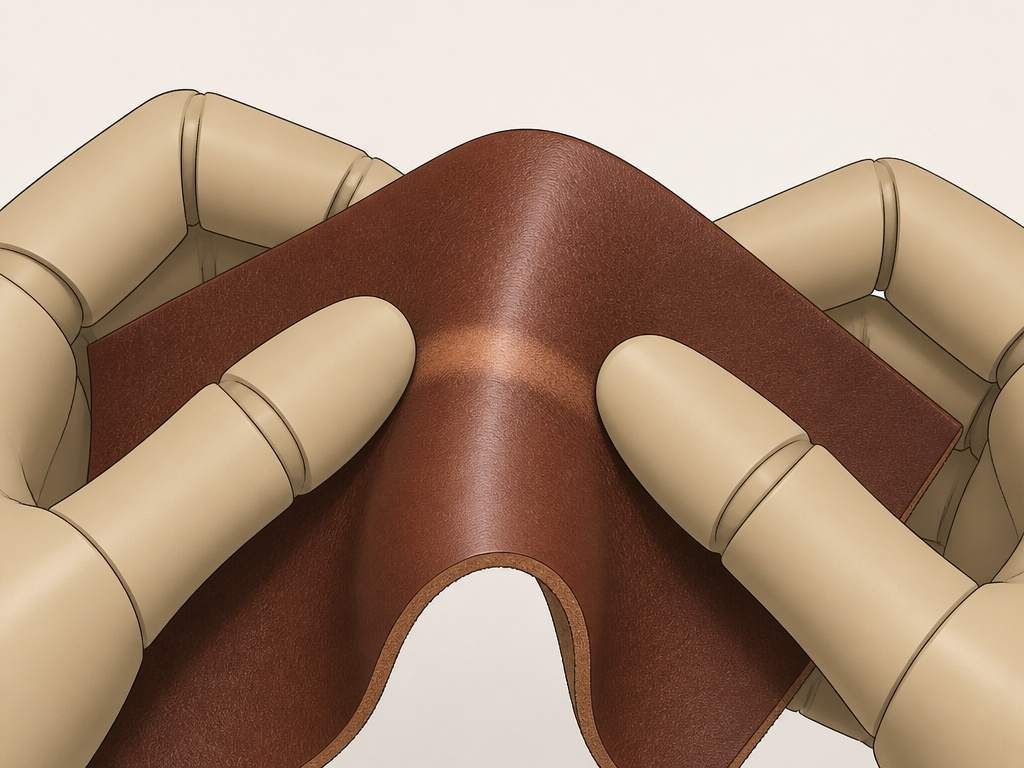
You’re in a store, holding a beautiful leather jacket or bag. How can you tell if it will age into a trusted companion or just fall apart? Ignore the marketing tags. “Genuine leather” tells you nothing.
First, look at the edges. Raw, unfinished edges that show a fibrous, layered cross-section indicate full-grain leather that is thick and hasn’t been coated with a plastic edge paint. Next, feel the back. The flesh side should look and feel like dense, fibrous suede, not like a uniform, cloth-like backing. A cloth backing often hides a low-quality split leather.
Now, do the bend test. Gently bend the leather. Watch the surface. Does the color temporarily lighten along the crease? That’s the “pull-up” effect, a sure sign that oils and waxes are present and mobile within the leather. This mobility is essential for patina. Leather that stays one uniform color when bent is likely heavily painted or sealed; it will crack and wear, not patinate.
Finally, press your thumb firmly into the surface for ten seconds and release. How long does the fingerprint take to disappear? High-quality, dense leather will spring back quickly. Low-quality or overly dry leather will hold the dent. This simple method for testing leather quality is the fastest way to gauge the raw material you’re starting with.
Frequently Asked Questions
Can you speed up the patina process?
You can encourage it, but speeding it up usually means forcing it, and the results look forced. Excessive exposure to direct sun will dry and crack leather before it develops a nice patina. Applying oils too frequently creates a dark, soggy, uneven look. The best “speed” is consistent, gentle use over years.
Does patina make leather weaker?
No, a genuine patina indicates healthy, oil-rich leather and should not weaken the material. In fact, the oxidation process can help stabilize the fibers. However, leather that is dried out, cracked, and stiff, often mistaken for having a patina, is absolutely weaker and prone to failure.
Can patina be removed or reversed?
Not truly. Because patina is a chemical change within the leather fibers, you cannot revert it to its original state. You can clean the surface and re-dye the leather, but that replaces the patina with a new finish, it’s a cover-up, not a reversal. The history is erased.
Which leather color patinas the best?
Medium browns and tans show the evolution most dramatically, as they have room to darken into rich honey and chestnut tones. Black leather patinas as well, but it shows more as a softening to a charcoal grey and the development of a sheen on high spots. Light-colored leathers will show the most contrast and change.
Do faux or vegan leathers develop a patina?
No. Synthetic materials do not undergo the same oil migration and oxidation processes. They can crack, peel, fade, or become scratched, but this is wear and degradation, not the development of a valued character. The changes are typically undesirable.
Before You Go
The pursuit of patina is really the pursuit of quality. It’s a commitment to choosing a material that gets better with time, to maintaining it with understanding rather than product schedules, and to valuing the story embedded in an object. It’s the antithesis of disposable culture.
Start your next leather purchase with this question: “Do I want this to look new forever, or do I want it to tell my story?” If it’s the latter, put the corrected-grain, shiny-coated item back on the shelf. Seek out the vegetable-tanned belt, the full-grain briefcase, the aniline-dyed jacket. Then, just live with it. Use it, wipe it clean when needed, and condition it only when your fingers tell you to. The chemistry will handle the rest. In a world full of things designed to be replaced, owning something designed to evolve is a quiet rebellion.
