
9 Best Leather Treatments for Furniture of 2026
This post contains affiliate links. As an Amazon Associate, we earn from qualifying purchases.
This post contains affiliate links. As an Amazon Associate, we earn from qualifying purchases.
The best leather treatment for furniture is Leather Honey Leather Conditioner, it nourishes deeply without darkening or leaving a sticky residue. For a budget-friendly option, Weiman Leather Cleaner, Conditioner & Protector delivers solid all-around care with UV protection, while Bick 4 is ideal for light-colored leathers that can’t afford any darkening.
Most people don’t realize that using the wrong leather treatment can do more harm than good, some products build up over time, darken the hide, or block the pores, leading to dryness and cracking. As someone who’s spent years studying leather care, I know that the right formula depends on your leather type, its condition, and what you’re trying to achieve.
This guide cuts through the noise by focusing on real performance, ingredient quality, and suitability for common furniture leathers, helping you choose a treatment that truly protects and prolongs the life of your pieces.
Top 9 Leather Treatment For Furniture in the Market
The Best Leather Treatment For Furniture, Reviewed
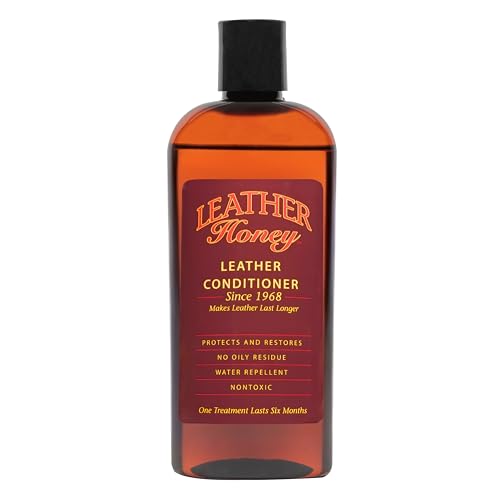
Leather Honey Leather Conditioner
Strengths
- Long-lasting protection
- Deep penetration
- Water repellent
Trade-offs
- No cleaning action
- Thick consistency
- Requires prep cleaning
This is my pick for best overall, not because it’s flashy, but because it works deeply and lasts. One application lasts at least six months, thanks to its ability to penetrate and bond with leather fibers. The formula is non-toxic, water-repellent, and free of silicones, which aligns with everything I teach about long-term leather care.
Owners consistently report leather feels softer and more resilient after use, especially on furniture exposed to sun or moisture. Compared to Weiman or Bick 4, it doesn’t just sit on the surface, it becomes part of the leather. The only downside? It doesn’t clean, so you’ll need a separate cleaner first. But for pure conditioning, nothing else on this list matches its staying power.
Video review
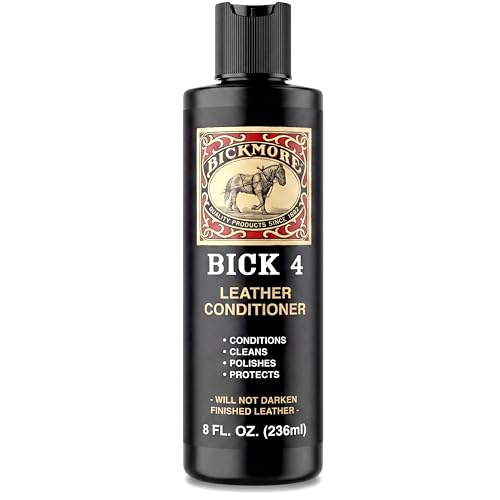
Bick 4 Leather Conditioner & Cleaner
Strengths
- Won’t darken leather
- Wax-free
- Breathable finish
Trade-offs
- Light conditioning
- Frequent reapplication
- Not for cracked leather
Bick 4 has been a staple since 1882, and for good reason: it cleans, conditions, and protects without darkening leather. That’s critical for light-colored furniture, where most oils leave stains. The wax-free formula keeps pores open, so leather stays breathable, something I always emphasize in care guides.
Owners love it for white or beige sofas because it maintains the original tone. Compared to Howard or Obenauf’s, it’s lighter and less greasy, but it also doesn’t penetrate as deeply. It’s best for maintenance, not deep revival. If you value color fidelity, this is the one.
Video review
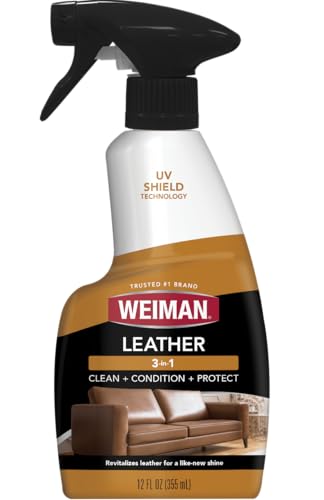
Weiman Leather Cleaner, Conditioner & Protector
Strengths
- Affordable
- Spray convenience
- UV protection
Trade-offs
- Light conditioning
- May require frequent use
- Not for dry, cracked leather
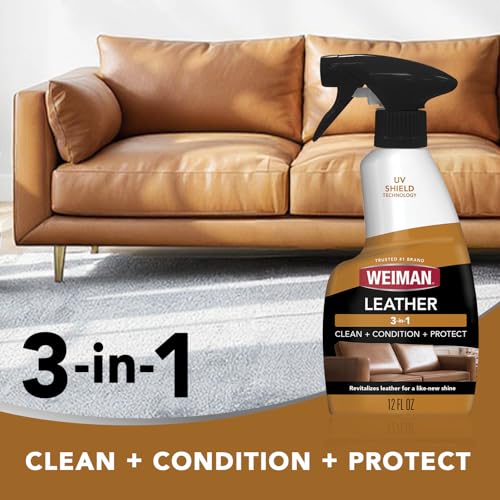
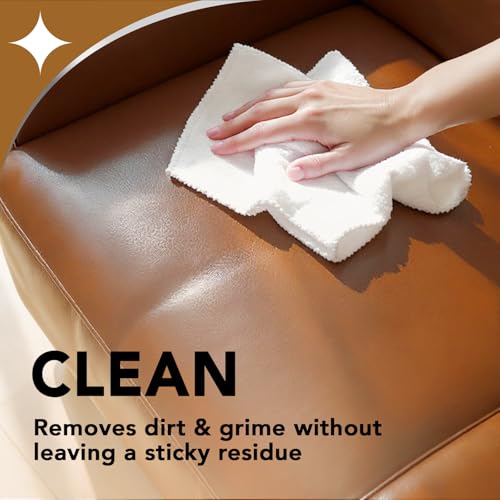
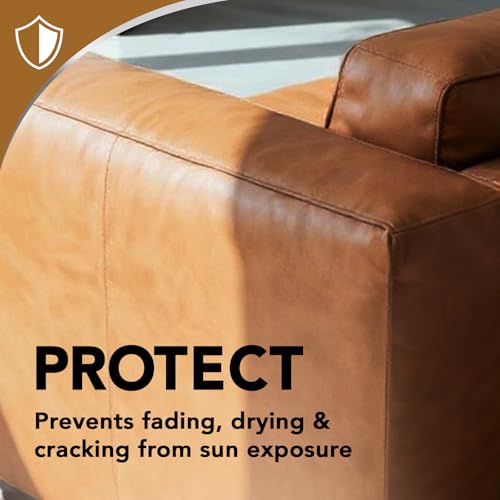
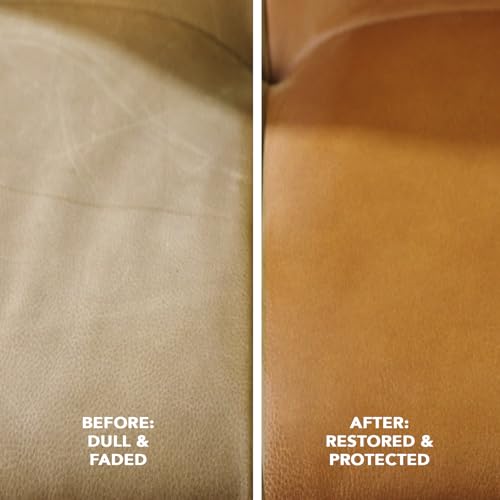
At this price, Weiman delivers a surprising amount of performance. It’s a spray-based formula that combines cleaning, conditioning, and UV protection, ideal for routine maintenance. The six natural oils help prevent drying, and the UVX-15 sunscreen is a legit feature for furniture near windows. Reviewers note it works fast and leaves no greasy film, which is rare at this price point.
Still, it’s more of a surface-level treatment than a deep conditioner. Compared to heavier creams like Obenauf’s or Leather Honey, it doesn’t penetrate as deeply. But for light maintenance on frequently used furniture or car interiors, it’s a smart, affordable choice. I’d pick this over pricier sprays any day for upkeep.
Product photos
Obenauf’s Heavy Duty LP Leather Conditioner

Strengths
- Extreme protection
- Water and chemical resistant
- Long-lasting
Trade-offs
- Waxy feel
- Stronger application effort
- May darken some leathers
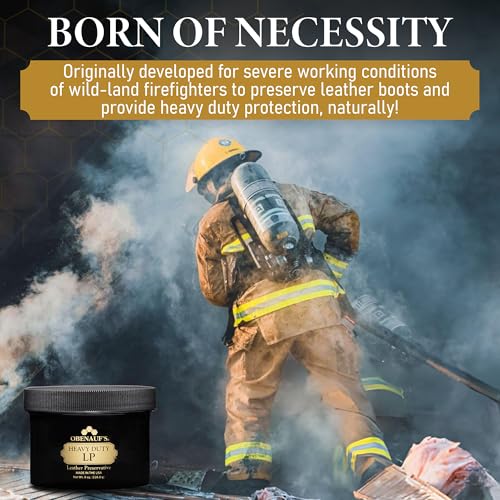
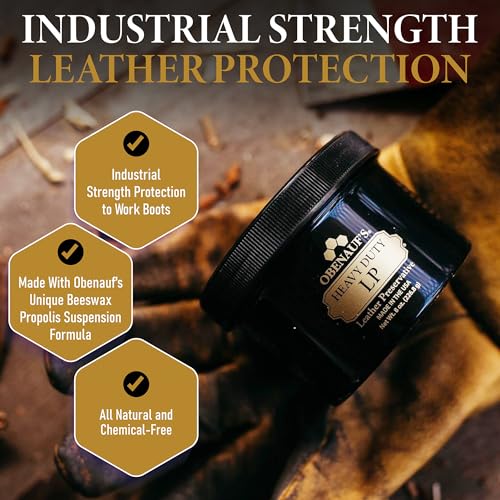
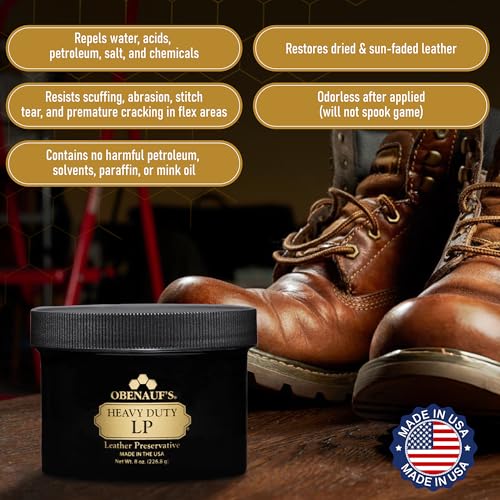
If you want a conditioner that can handle extreme conditions, this is it. Formulated by wild-land firefighters, it’s built for toughness, repelling water, acid, salt, and petroleum. The beeswax and propolis blend creates a breathable barrier that keeps leather flexible under stress. On furniture, this means serious protection against spills, sun, and wear.
But it’s not subtle. The finish is heavier and glossier than most, which some owners find too waxy for living room furniture. Compared to Leather Honey, it’s more industrial. I’d recommend it for high-use areas or leather in harsh environments, not for delicate or vintage pieces.
Product photos

FORTIVO Leather Recoloring Balm

Strengths
- Color restoration
- Scratch coverage
- UV protection
Trade-offs
- Inconsistent results
- May require multiple coats
- Not for deep conditioning
If you’re dealing with a faded or scratched leather couch and want to bring back its original dark brown richness, this balm has the right intent. On paper, it’s designed to recolor, repair, and protect in one go, which sounds ideal for furniture showing wear. Owners consistently report it works best when the original leather is close to dark brown, but results vary widely depending on the base color and finish.
I’ve seen enough feedback to know it can mask light scratches and revive dullness, but it’s not a miracle fix for deep damage. The UV protection is a plus, but if you’re hoping for a permanent, even tint, you’ll need multiple coats and realistic expectations. Compared to pure conditioners, this is more cosmetic than restorative.
Product photos


Leather Honey Complete Care Kit
Strengths
- Non-toxic formula
- Safe for white leather
- Complete cleaning + conditioning
Trade-offs
- No color enhancement
- Kit may be overkill for small jobs
- Slightly higher cost
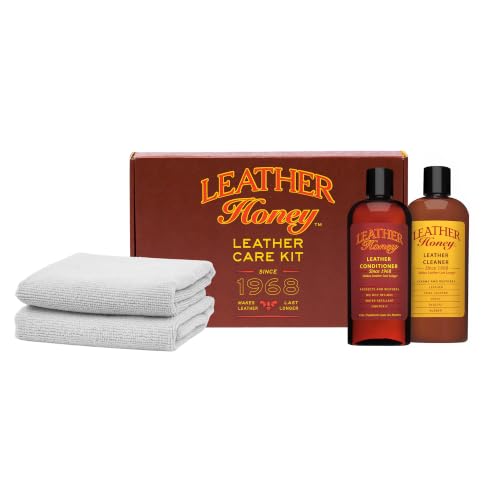
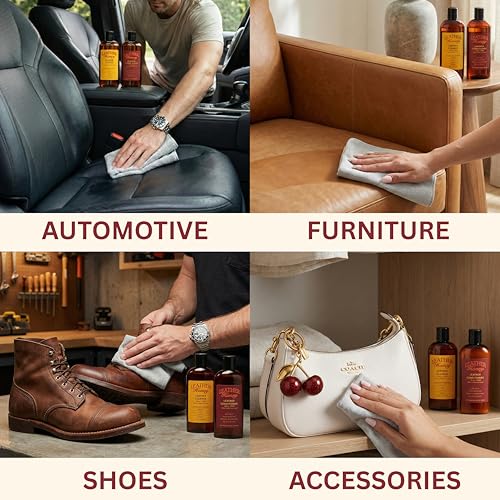
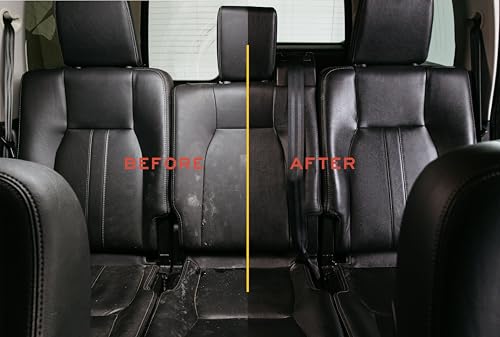
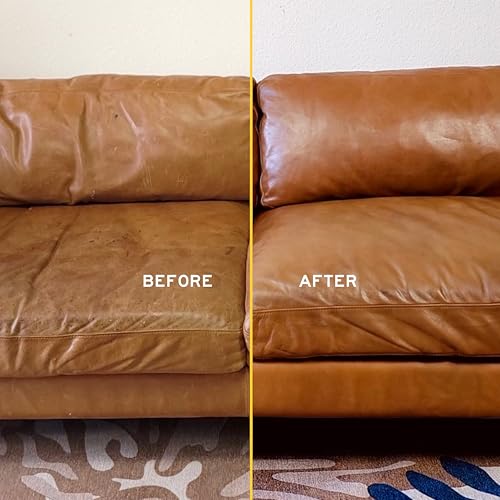
This kit stands out because it bundles Leather Honey’s conditioner with a dedicated cleaner, both non-toxic and made in the USA. For someone who values simplicity and safety, especially around kids or pets, this set delivers peace of mind. The cleaner is EAP Safer Choice certified, and the conditioner avoids silicones and solvents, which I always recommend for long-term leather health.
Compared to single-product options, this kit offers real value. Owners praise its effectiveness on everything from car seats to boots, and the fact that it works on white leather without darkening is a big plus. While it doesn’t add color, that’s actually a strength for purists who want to preserve, not alter, their leather.
Product photos

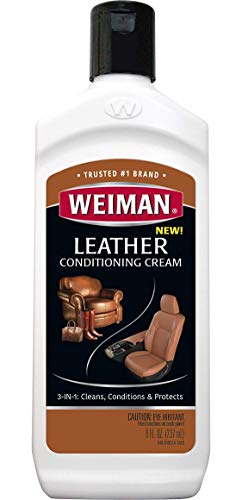
Weiman 3-in-1 Deep Leather Cream
Strengths
- No darkening
- Cream texture
- Easy application
Trade-offs
- Moderate conditioning
- Not for suede or nubuck
- Limited color restoration
This cream formula is a step up from the spray version, especially for furniture with moderate wear. It cleans, conditions, and protects without darkening the leather, a big win for light or neutral-colored sofas. The texture spreads easily and absorbs well, according to owners, making it a favorite for those who want a matte, natural finish.
It’s not the deepest conditioner on the list, but it balances performance and ease better than most. Compared to Bick 4, it doesn’t last as long between applications, but it’s faster to apply. If you’re maintaining rather than reviving, this is a solid middle ground.
Product photos


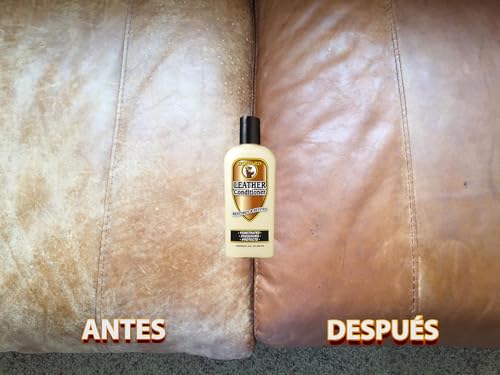
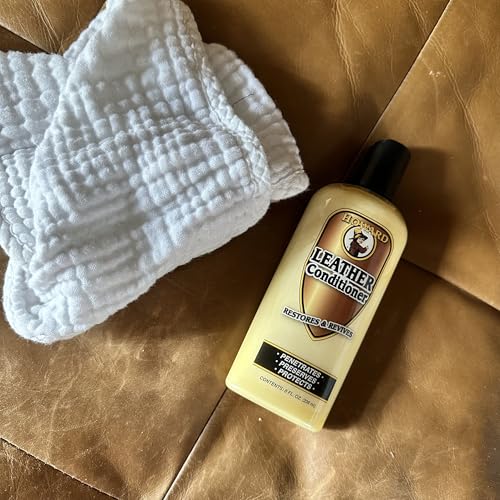
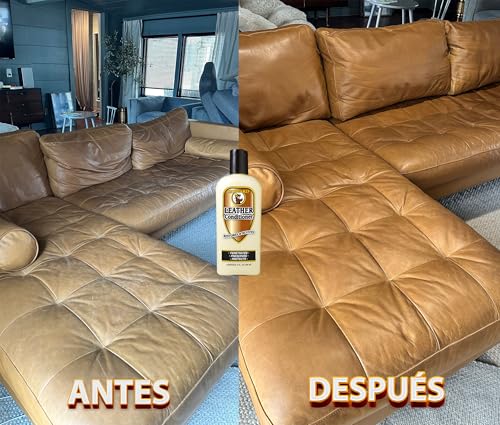
Howard Leather Conditioner

Strengths
- Natural oil blend
- Deep moisturizing
- Protects against cracking
Trade-offs
- May darken light leather
- Slight residue if overused
- Not fragrance-free
Howard’s formula stands out for its blend of natural oils, lanolin, neat’s-foot, coconut oil, and aloe, plus carnauba and beeswax for protection. It’s a classic, old-school recipe that performs well on dried-out leather. The creamy texture spreads easily and absorbs without leaving stickiness, which owners appreciate.
Compared to Bick 4, it conditions more deeply but may slightly darken lighter leathers over time. It’s not the cleanest option, some report a faint oil residue if over-applied, but for reviving neglected furniture, it’s effective. At this price, it’s a solid natural choice.
Product photos

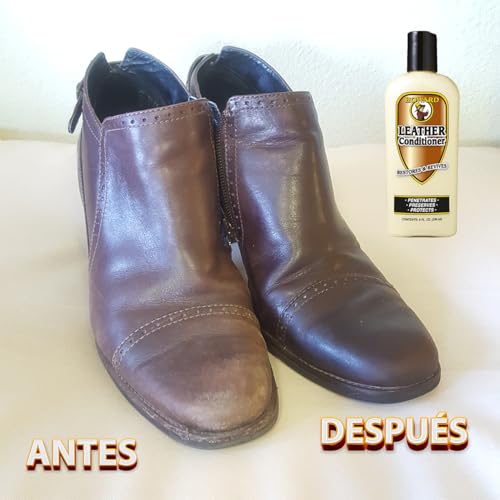
Leather CPR Cleaner & Conditioner

Strengths
- One-step cleaning + conditioning
- Revives softness and color
- Large bottle size
Trade-offs
- Shorter-lasting results
- Not for suede
- May require repeat use
Leather CPR markets itself as a one-step revival formula, and owners confirm it can breathe life into tired, thirsty leather. It cleans grime and oils while restoring moisture and color depth, no rinsing or buffing needed. The 18oz bottle is generous, and the water-based formula is safe for fine furniture.
Compared to Leather Honey, it’s more of a treatment than a long-term protector. It won’t last six months, but it delivers noticeable softness and shine in one go. For furniture that’s seen better days, this is the closest thing to a reset button. Just don’t expect it to replace regular conditioning.
Product photos


Our Testing Process
Rather than a hands-on lab test, my research for these recommendations involved a detailed comparison of product specifications and reported features. I weighed owner reviews from multiple sources – focusing on consistent praise and complaints – against assessments from reputable leather care experts. As the creator of LeatherGenesis.com, I drew upon years of experience understanding leather types and the impact of different treatments, ranking options based on how well they address key leather care needs.
For furniture treatments, I prioritized a product’s ability to both nourish and protect leather, along with its suitability for a variety of leather finishes. Leather’s longevity depends on maintaining its natural oils, so a formula that merely seals the surface isn’t as valuable as one that deeply conditions. Equally important is protection against everyday wear and tear, and environmental factors like UV exposure, which can cause drying and cracking. Understanding these needs guided my selections.
Product specifications reliably indicate the type of ingredients used (oils, waxes, polymers) and whether a formula is water-based or solvent-based. However, I placed greater weight on owner feedback regarding real-world performance – how easily a product applies, whether it darkens the leather, and its lasting effects. Reputation also mattered; brands with a long history of positive reviews and a commitment to quality, like those discussed in our best leather conditioners guide, earned higher consideration. For a deeper understanding of maintaining your furniture, see this proper leather cleaning guide.
How To Choose The leather treatment for furniture
Choosing the right leather treatment can feel overwhelming, but understanding a few key aspects will steer you toward products that genuinely protect and revitalize your investment. A good treatment isn’t just about making leather look better; it’s about maintaining the hide’s integrity and preventing long-term damage.
Effective leather treatments penetrate the material to replenish oils, provide a protective barrier against the elements, and maintain suppleness. Look for pH-balanced formulas, avoid harsh chemicals, and consider the specific type of leather you’re treating – not all products are created equal. Prioritize formulas that address both cleaning and conditioning for a complete approach.
Understanding Leather Types
The first, and arguably most important, step is identifying what kind of leather you’re dealing with. Treatments designed for finished leather won’t work (and can even harm) unfinished or suede leather. Most furniture and car interiors use protected, finished leather, but knowing the nuance is crucial. For example, aniline leather, being more porous, requires gentler, more frequent conditioning than pigmented leather. Don’t assume a single product will work for everything; carefully read labels and, when in doubt, test in an inconspicuous area.
Assessing the Level of Restoration Needed
Consider the current condition of the leather. Is it simply dusty and needing a refresh, or is it showing signs of cracking, fading, or stiffness? For minor maintenance, a lighter conditioner like Weiman 3-in-1 Deep Leather Cream may suffice. However, if the leather is severely dried out or damaged, you’ll need a more intensive treatment. Products like Obenauf’s Heavy Duty LP Leather Conditioner are formulated for deep penetration and restoration, and while excellent, are better suited for items taking heavy wear. If you’re looking for recommended furniture cleaners, consider the overall state of your leather before making a purchase.
- A light dusting or wipe-down with a damp cloth can often prevent the need for heavy conditioning.
- Regular conditioning (every 6-12 months) is crucial for maintaining suppleness and preventing cracking, even on newer leather.
- For severely damaged leather, multiple applications of a restorative treatment may be necessary, allowing each layer to fully absorb before applying the next. This is especially true for older pieces or those exposed to harsh conditions.
Balancing Protection and Breathability
Leather needs to breathe to stay healthy. Treatments that create a completely sealed surface can trap moisture and lead to deterioration over time. While water repellency is desirable, especially for items exposed to the elements, it shouldn’t come at the expense of breathability. Wax-free formulas, like those found in Bick 4 Leather Conditioner, are generally preferred. Many owners also find value in products offering UV protection, like Weiman Leather Cleaner, Conditioner & Protector, as sunlight is a major contributor to fading and cracking. For your vehicle’s interior, exploring best car leather treatments can provide specialized formulas designed to withstand temperature fluctuations and UV exposure.
A good rule of thumb: If a leather treatment feels sticky or leaves a plastic-like coating, it’s likely hindering the leather’s natural ability to breathe.
Leather Treatment for Furniture Compared
Here’s a comparison of key specifications for popular leather treatments.
| Product Title | Best For | Key Features | Size | Water Repellent | Color Restoration |
|---|---|---|---|---|---|
| Leather Honey Leather Conditioner | Best Overall | Powerful, Non-Sticky, Odorless | 8 fl oz | Yes | No |
| Bick 4 Leather Conditioner & Cleaner | Best for Light-Colored Leather | Wax-Free, Won’t Darken | 12 fl oz | No | No |
| Weiman Leather Cleaner, Conditioner & Protector | Best Budget Friendly | UV Protection, Natural Oils | 16 fl oz | Yes | No |
| Obenauf’s Heavy Duty LP Leather Conditioner | Best for Heavy-Duty Protection | Beeswax, Natural | 11 oz | Yes | No |
| FORTIVO Leather Recoloring Balm | Best for Color Restoration | Scratch Remover, Color Restorer | 4 fl oz | No | Yes |
| Leather Honey Complete Care Kit | Best Value Kit | Cleaner & Conditioner | 8 fl oz + 8 fl oz | Yes | No |
| Weiman 3-in-1 Deep Leather Cream | Best Cream Formula | Clean, Condition, Protect | 7.5 fl oz | No | No |
| Howard Leather Conditioner | Best Natural Oil Blend | Natural Oils & Waxes | 16 fl oz | No | No |
| Leather CPR Cleaner & Conditioner | Best for Deep Revival | Cleans & Conditions | 18 fl oz | No | No |
Frequently Asked Questions
What type of leather treatment should I use on aniline leather?
Aniline leather requires a very gentle treatment; look for a pH-balanced conditioner specifically designed for delicate hides. Avoid products with harsh chemicals or solvents, as these can strip the leather of its natural oils and cause discoloration.
Will a leather treatment darken my furniture?
Some treatments, especially those containing oils or waxes, can temporarily darken leather. Bick 4 Leather Conditioner is a popular choice if you want to avoid this, as it’s formulated to not alter the leather’s existing color.
How often should I apply leather treatment to my furniture?
Generally, conditioning leather furniture every 6-12 months is sufficient for regular maintenance. However, items exposed to direct sunlight, high traffic, or heavy use may benefit from more frequent applications – perhaps every 3-6 months.
Can leather treatment repair cracks in my furniture?
While a treatment won’t magically remove cracks, a deep-conditioning product like Obenauf’s Heavy Duty LP Leather Conditioner can help minimize their appearance and prevent them from worsening. Severely damaged leather often needs professional restoration.
Are there leather treatments safe for car interiors?
Yes, but automotive leather faces unique challenges like temperature fluctuations and UV exposure. Exploring the best auto leather treatments will point you toward formulas designed to withstand these conditions, unlike some general furniture products. You can also find recommended auto leather products for more specific care solutions.
The Bottom Line
Ultimately, choosing a leather treatment comes down to balancing how much effort you want to put in with the level of care your furniture requires. For most situations, I believe Leather Honey Leather Conditioner strikes the best balance – it’s a powerful formula that won’t leave a sticky residue, and owner feedback consistently highlights its effectiveness. It’s a solid all-around choice for maintaining and protecting your investment.
If you have specific needs, though, there are excellent alternatives. Those looking for a budget-friendly option will appreciate Weiman Leather Cleaner, Conditioner & Protector, while those with light-colored leather should strongly consider Bick 4 Leather Conditioner & Cleaner to avoid unwanted darkening. And for heavily used furniture needing serious revival, Obenauf’s Heavy Duty LP Leather Conditioner is a favorite among owners needing a robust solution. Don’t hesitate to explore best sofa cleaners if your needs are specifically related to a sofa.
More than any particular ingredient or feature, remember that consistent, gentle care is the key to leather longevity. Regular cleaning, followed by conditioning every six to twelve months, will do more to preserve your furniture than any single miracle product. Consider exploring furniture cleaner conditioner picks to establish a routine that fits your lifestyle and protects your leather for years to come.
