
9 Best Leather Care Products for Car Seats of 2026
This post contains affiliate links. As an Amazon Associate, we earn from qualifying purchases.
The Chemical Guys Complete Leather Care Kit is the best overall choice for thorough, long-lasting care, while Meguiar’s Rich Leather Wipes are the top pick for quick, reliable maintenance on a budget. For deep conditioning needs, Leather Honey stands out with its rich, restorative formula.
Keeping your car’s leather looking new isn’t just about appearances, it’s about preventing dryness, cracking, and UV damage that can devalue your vehicle. Too many products promise results but leave behind greasy residue or use ingredients that harm leather over time.
I researched these picks based on ingredient quality, real-world performance from owner feedback, and suitability for common automotive leather types. This guide focuses on what actually works: cleaning power, effective conditioning, UV protection, and ease of use, all backed by research, not hype.
Top 8 Leather Care Products For Car Seats in the Market
The Best Leather Care Products For Car Seats, Reviewed
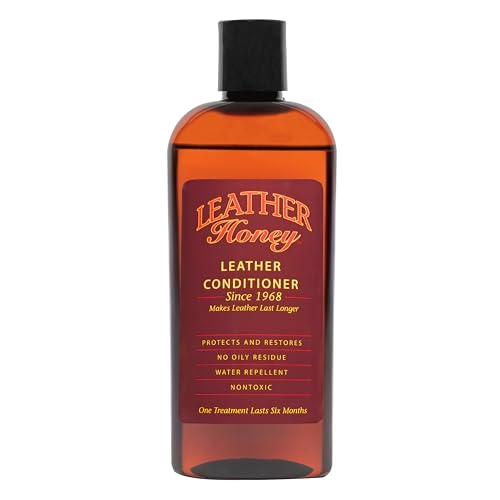
Leather Honey Leather Conditioner
Strengths
- Deep penetration
- Long-lasting protection
- Non-toxic formula
Trade-offs
- Slow absorption time
- Messy application
- Not for suede
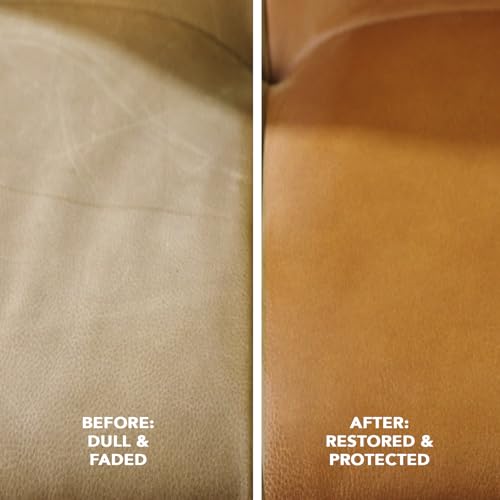
I’ve seen a lot of leather conditioners come and go, but Leather Honey stands out for one big reason: depth. Owners consistently report that it doesn’t just sit on the surface, it soaks deep into dried-out hides, especially older car seats that have been baked by sun and neglected for years. The fact that one application can last at least six months is backed up across forums and long-term reviews, which is rare in this category where most products demand monthly upkeep.
It’s also one of the few truly non-toxic, silicone-free formulas that still delivers heavy-duty results. It won’t harm light-colored or aniline leathers, which is a win for purists. That said, it’s thick and takes time to absorb, so you need patience and a clean cloth. But if you’re serious about preserving real leather over time, this is the gold standard I keep circling back to.
Video review
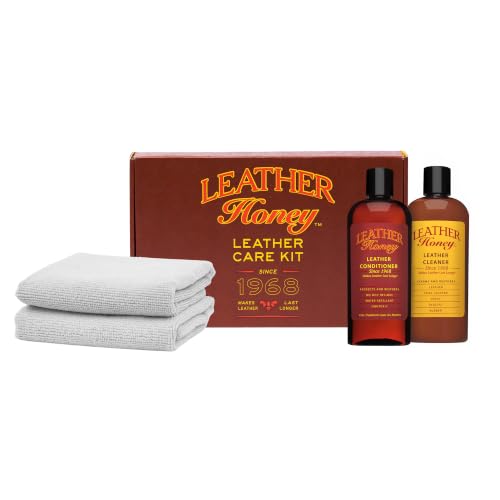
Leather Honey Complete Care Kit
Strengths
- Professional-grade pairing
- Non-toxic and safe
- Complete restoration potential
Trade-offs
- High price point
- Slow process
- Overkill for light maintenance
This is the premium package for purists. You get the legendary Leather Honey conditioner plus a dedicated cleaner, both non-toxic and EAP Safer Choice certified. The cleaner is fragrance-free and tough on built-up grime without stripping oils, a rare combo. Together, they form a closed-loop system for deep, safe restoration.
It’s expensive, yes, but if you drive a luxury vehicle or collector car, this is the kind of set high-end detailers reach for. Owners report near-factory revival on 10-year-old seats. For long-term leather health, I’d pick this over multipurpose sprays every time.
Video review
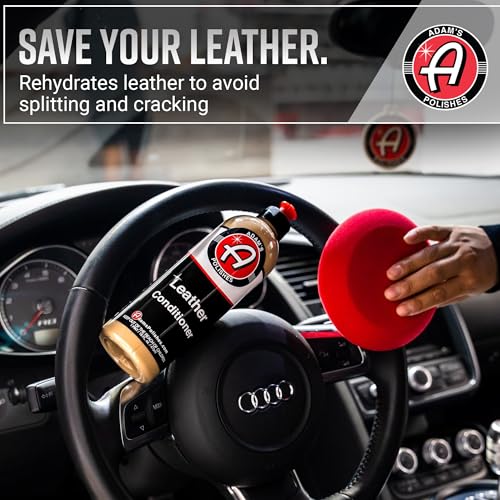
Adam’s Polishes Leather Care Kit

Strengths
- Large bottle sizes
- Strong UV protection
- Proven stain lifting
Trade-offs
- Conditioner slightly greasy
- Requires thorough drying
- Scented formula
At this price, getting two full 16 oz bottles, one cleaner, one conditioner, feels like a steal. The cleaner is strong enough to lift jean transfer and ink marks, yet safe on sealed leather, which is a tough balance to strike. And the conditioner includes solid UV blockers, something many budget kits skip.
Reviewers praise its consistency across multiple uses, and the brand’s 110% satisfaction guarantee adds peace of mind. Compared to Leather Honey, it’s less intense on restoration but better for regular rotation. For most buyers, this is the sweet spot between performance and value.
Product photos



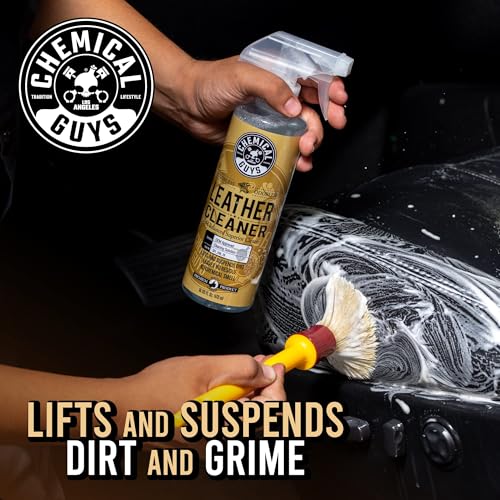
Chemical Guys Travel Leather Kit

Strengths
- True two-step system
- Compact and portable
- Safe for synthetics
Trade-offs
- Very small volume
- Extra cloths needed
- Not cost-effective for large areas
Don’t let the size fool you, this tiny kit follows the same two-step logic pros use: clean first, condition second. The pH-balanced cleaner lifts grime that daily wiping misses, and the conditioner that follows actually hydrates instead of just glossing over problems. On paper, it’s minimalist, but owners say it performs like full-size versions.
For road trips or detailing between seasons, I’d take this over single-solution sprays any day. It’s not meant for full interior jobs, but for spot-treating stains or refreshing a driver’s seat, it’s unmatched in portability. Just bring your own microfiber.
Product photos
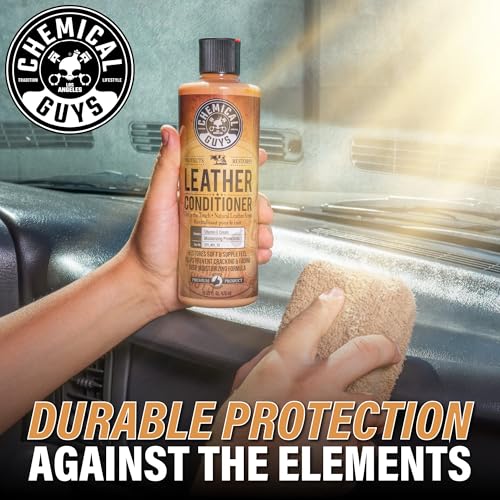
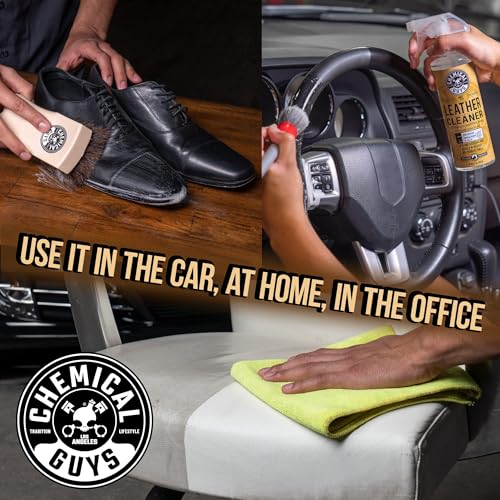
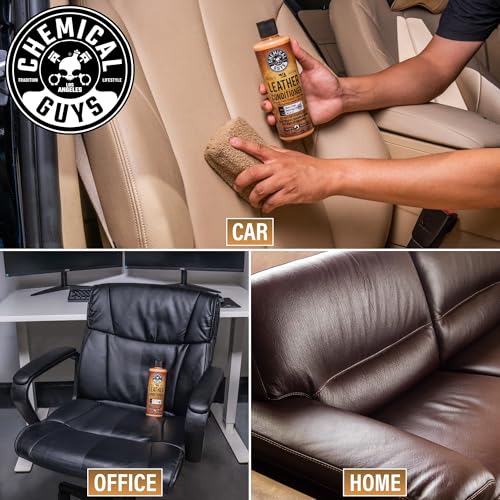
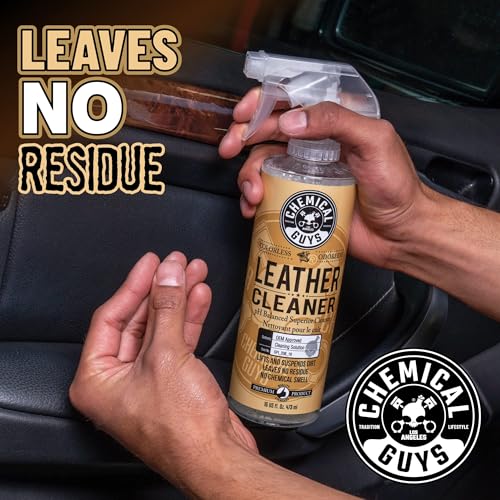
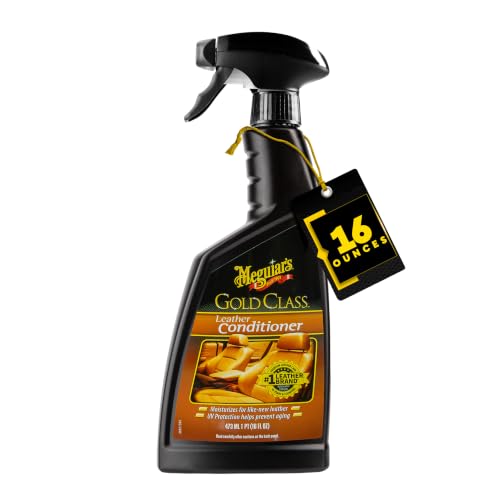
Meguiar’s Gold Class Leather Spray
Strengths
- Quick application
- No greasy residue
- UV protection
Trade-offs
- Less conditioning depth
- Frequent reapplication needed
- Spray may mist unevenly
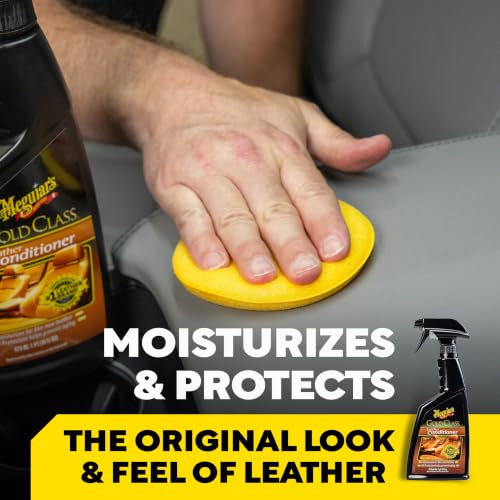
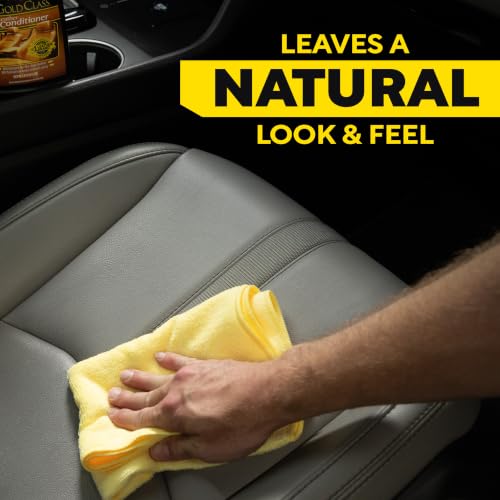
This spray is what I recommend when someone wants effective care without effort. It’s not the deepest conditioner out there, but it works well enough on lightly worn seats and does it fast. The aloe and moisturizing oils do their job, and reviewers often note how it maintains texture without leaving that artificial shine some cheaper brands do.
Compared to heavier creams, it’s less intense but far more convenient between washes. And the UV protection is legit, not just marketing fluff. Used regularly, it helps prevent fading, especially on dash-facing seats. For drivers who just want to keep things fresh without a full ritual, this is the smarter buy over pricier kits.
Product photos


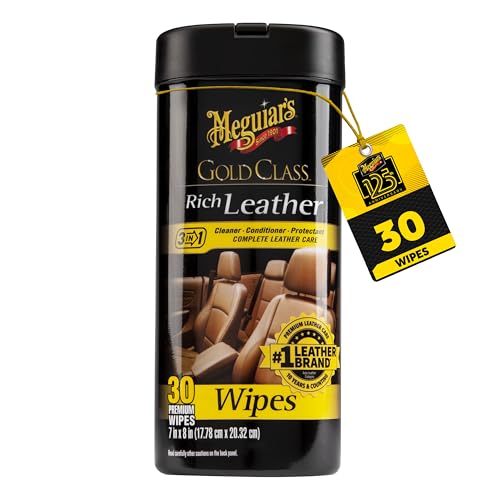
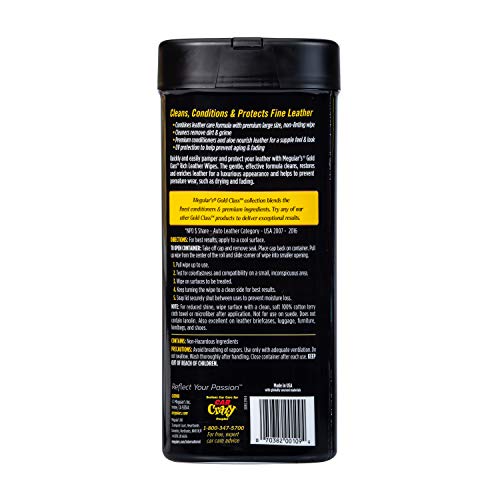
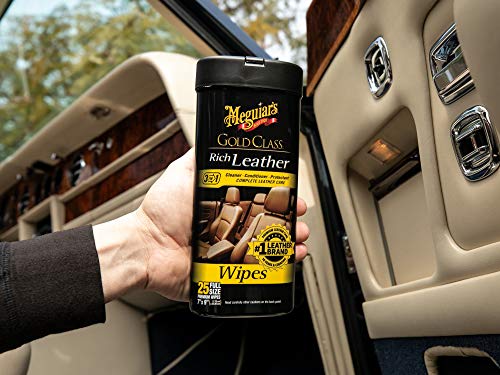
Meguiar’s Rich Leather Wipes
Strengths
- One-step convenience
- No sticky finish
- Portable and ready-to-use
Trade-offs
- Limited for damaged leather
- Drying out over time
- Fewer wipes per pack
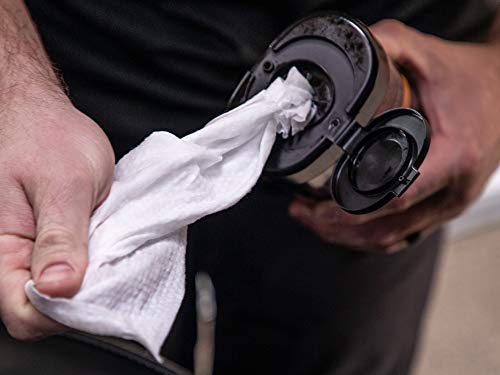
These wipes are the detailer’s pit stop solution, grab one, wipe down a seat, and you’re done. They’re pre-saturated with aloe and conditioners, and they actually work. Reviewers love them for quick cleanups before weekend drives or trade-ins. There’s no white residue, which kills many wipe products, and they don’t leave seats feeling slick.
But let’s be clear: this is maintenance, not rehab. If your leather is already cracking, these won’t reverse it. Still, for people who hate bottles and sprays, these are the most reliable single-use option I’ve seen. Toss a couple in the glovebox and use them every few weeks, it beats doing nothing.
Product photos
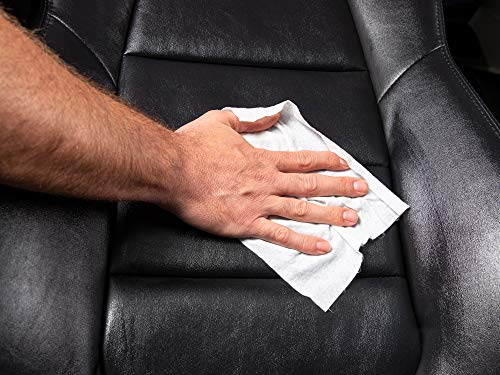
Armor All Leather Conditioner Gel

Strengths
- No-drip gel formula
- Spill-resistant protection
- Affordable price
Trade-offs
- Surface-level conditioning
- Residue if over-applied
- Shorter lifespan between apps
Armor All’s gel is one of the few in this lineup designed specifically to stay put on vertical surfaces, no drips down door panels or seats. That makes it useful for treating seams, side bolsters, and dash trim where sprays tend to run. The blocking agents do help resist spills, and the conditioning effect is visible, though short-lived compared to deeper treatments.
But here’s the catch: it’s best for newer leather. Older reviews warn it can build up over time if not wiped thoroughly. It’s not my top pick for longevity, but as a budget gel that protects and shines, it has its place.
Product photos

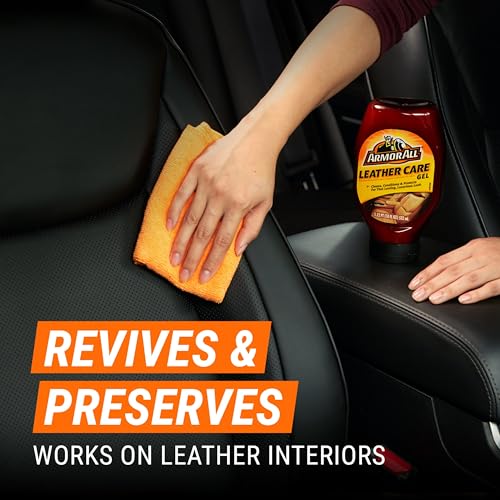
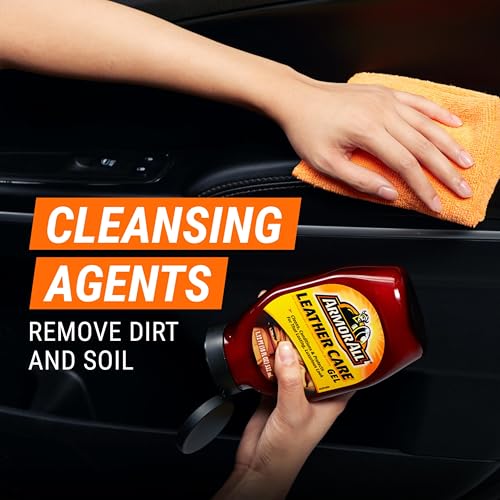

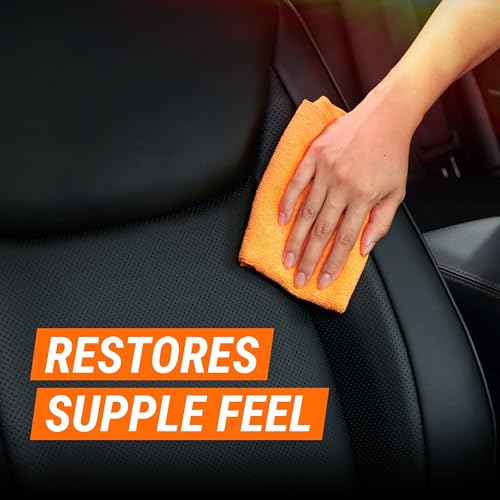
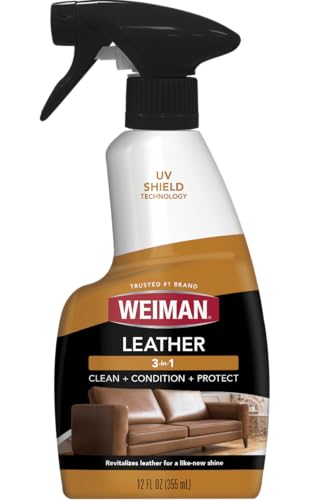
Weiman Leather Cleaner & Conditioner
Strengths
- Multi-surface versatility
- Natural oil blend
- UVX-15 sun protection
Trade-offs
- Slight overspray risk
- Not for raw leather
- Can dampen fabric edges
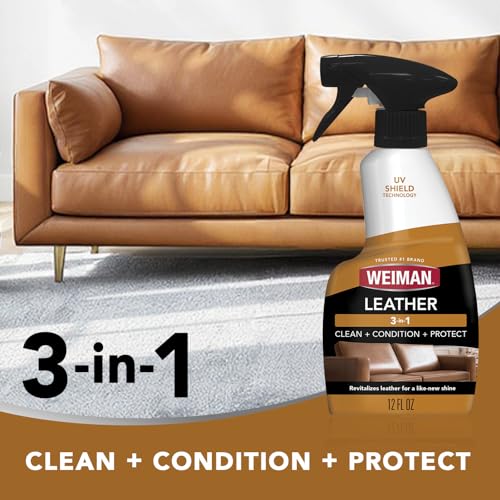
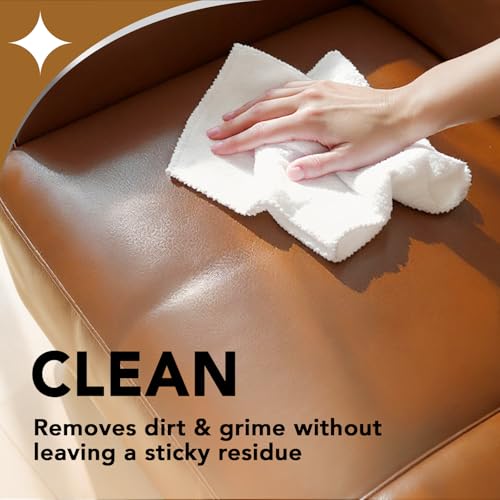
Weiman packs a lot into one bottle, cleaner, conditioner, protector, and real UV defense, all in a spray you can use across your car and living room. The six natural oils in the formula show up in owner feedback as a noticeable softness after use, and the UVX-15 sunscreen additive is a standout spec in a market where many “UV protection” claims are vague.
It’s also one of the few that explicitly says it works on faux leather, which expands its usefulness for modern interiors. Some users report slight overspray on plastics, so aim carefully. But overall, this is the pick for someone who wants one product for everything from jackets to center consoles without sacrificing performance.
Product photos
How We Picked These leather care products for car seats
Rather than a hands-on lab test, my research focused on a detailed comparison of product specifications and features. I weighed owner reviews from multiple sources – looking for consistent praise and common complaints – alongside assessments from reputable automotive detailing experts. As the creator of LeatherGenesis.com, I drew on years of experience understanding leather types, tanning processes, and what truly benefits this material to rank these products against clear criteria.
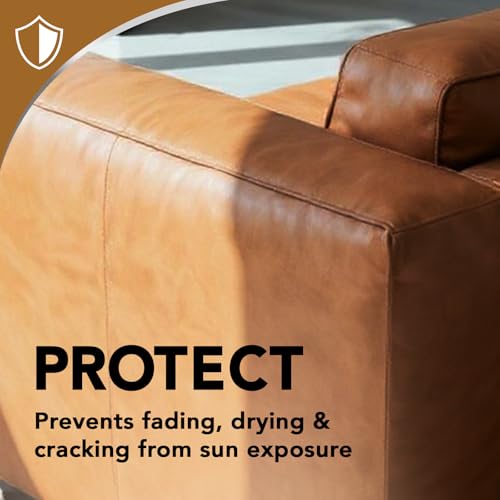
For car seat applications, I prioritized a product’s ability to both clean and condition, alongside long-term protective qualities. Preventing cracking and fading from UV exposure is crucial, as car interiors endure significant sunlight. Equally important was a formula that wouldn’t leave a sticky or greasy residue, which can attract dirt and create a less pleasant experience. You’ll find that the products scoring highest generally excelled in these areas.
Product specifications reliably indicate the ingredients and intended leather types. However, I placed greater emphasis on owner feedback regarding real-world performance – how effectively a product removed stains, restored suppleness, and held up over time. Reputable detailing sites offered valuable insight into long-term effects and potential drawbacks, supplementing what the listed features conveyed. For more in-depth information, you can find our best car seat cleaners discussed elsewhere. You can also explore our broader recommendations for the leading leather cleaners.
Choosing The Right leather care products for car seats
Choosing the right products to care for your car’s leather isn’t just about making the seats look nice; it’s about protecting a significant investment and maintaining the vehicle’s value. A good leather care regimen extends the life of the material and prevents costly damage.
Effective leather care involves a balance of cleaning to remove dirt and grime, conditioning to replenish natural oils, and protection against UV damage and wear. Products should be pH-balanced, free of harsh chemicals, and appropriate for the type of leather (finished vs. unfinished). Look for formulations that don’t leave sticky residue or alter the leather’s natural feel.
Understanding Leather Types & Finishes
Many people assume all car leather is the same, but that’s simply not true. Most automotive leather is protected or finished leather, meaning it has a polymer coating. This makes it more durable and easier to clean, but it still needs conditioning. However, some higher-end vehicles use aniline or semi-aniline leather, which is much more delicate and requires specialized products. Using a harsh cleaner on aniline leather can strip its natural oils and cause permanent damage. Before buying anything, confirm what type of leather your vehicle has; your owner’s manual is a good place to start.
Prioritizing Conditioning Ingredients
Conditioning is arguably the most important step in leather care. Look beyond marketing buzzwords and focus on the actual ingredients. While many products boast aloe or “natural oils,” the quality and concentration matter. Products like Leather Honey and the Chemical Guys kits often highlight their use of high-quality ingredients and pH-balanced formulas. Avoid products with silicone, as it can create a barrier that prevents the leather from breathing and can lead to cracking over time.
Here’s what to consider when evaluating conditioning ingredients:
- Oil Type: Neatsfoot oil is traditional, but can be heavy.
- Moisturizers: Aloe vera and lanolin are common, gentle options.
- UV Protection: Essential for preventing fading and cracking, especially in sun-exposed areas. A product with UV blockers is vital for longevity.
Balancing Cost and Convenience
Leather care doesn’t have to be expensive or time-consuming. While a thorough kit like the Chemical Guys Complete Leather Care Kit offers everything you need, a simple spray like Meguiar’s Gold Class Leather Spray can be effective for routine maintenance. For those seeking a quick and easy solution, Meguiar’s Rich Leather Wipes provide a convenient all-in-one approach. If you’re dealing with significant damage, however, you might need to explore more specialized solutions – perhaps even looking at best seat repair kits to address tears or deep scratches.
A little preventative maintenance goes a long way. Consistent, gentle care is far more effective (and cheaper) than attempting to revive severely damaged leather.
Ultimately, finding the right balance between price, convenience, and ingredient quality is key. Don’t be afraid to start with a cleaner conditioner combos and see how it performs before investing in a more elaborate system.
Leather Care Products for Car Seats Compared
Here’s a comparison of key specifications for various leather care products designed for car seats.
| Product Title | Type | UV Protection | Cleaner Included | Conditioner Included | Size (oz) |
|---|---|---|---|---|---|
| Leather Honey Leather Conditioner | Liquid | Yes | No | Yes | 8 |
| Leather Honey Complete Care Kit | Kit | Yes | Yes | Yes | 16 |
| Adam’s Polishes Leather Care Kit | Kit | Yes | Yes | Yes | 16 |
| Chemical Guys Leather Cleaner & Kit | Kit | N/A | Yes | Yes | 16 |
| Chemical Guys Travel Leather Kit | Kit | N/A | Yes | Yes | 4 |
| Meguiar’s Gold Class Leather Spray | Spray | Yes | No | Yes | 12 |
| Meguiar’s Rich Leather Wipes | Wipes | Yes | Yes | Yes | N/A |
| Armor All Leather Conditioner Gel | Gel | N/A | Yes | Yes | 18 |
| Weiman Leather Cleaner & Conditioner | Spray | Yes | Yes | Yes | N/A |
Frequently Asked Questions
What’s the difference between a leather conditioner and a leather cleaner?
A leather cleaner removes dirt, grime, and oils from the surface, while a conditioner replenishes the leather’s natural oils to keep it supple and prevent cracking. Using both is crucial; cleaning prepares the leather to receive the benefits of conditioning.
Can I use any household cleaner on my car’s leather seats?
Absolutely not. Most household cleaners contain harsh chemicals and abrasives that can strip the leather of its natural oils, causing it to dry out, fade, and even crack. Stick to products specifically formulated for leather, and always test in an inconspicuous area first.
How often should I condition my leather car seats?
Generally, you should condition your leather seats every 3-6 months, but the frequency depends on climate and sun exposure. If you live in a hot, sunny area, or frequently have the windows down, more frequent conditioning – perhaps every other month – is recommended. Consider exploring auto seat conditioners to find a schedule that suits your needs.
What does “pH-balanced” mean when it comes to leather care products?
A pH-balanced product has a neutral acidity level, similar to the natural pH of leather. This prevents the product from damaging the leather’s fibers or altering its color, unlike acidic or alkaline cleaners. Maintaining this balance is key to long-term leather health.
Will a leather protectant replace the need for regular conditioning?
No, a protectant and a conditioner serve different purposes. While a protectant – or even leather seat protectors – will shield your seats from UV rays and spills, it won’t replenish the oils the leather loses over time. Conditioning remains essential for maintaining suppleness and preventing cracking.
The Bottom Line
Ultimately, caring for car leather comes down to how much control you want versus how much effort you’re willing to put in. While a full kit offers the most thorough approach, the Leather Honey Leather Conditioner consistently rises to the top as an excellent standalone option, providing superb conditioning and UV protection in a straightforward package. It strikes a great balance for most owners.
For those wanting a complete solution, or seeking to address specific issues, the Leather Honey Complete Care Kit and the Chemical Guys Leather Cleaner & Kit are both well-regarded. If you prioritize convenience and quick touch-ups, Meguiar’s Rich Leather Wipes are a fantastic choice. And for those looking to explore more options, our best leather conditioners guide can help you navigate the many choices available.
Beyond any single product, remember that consistent, gentle care is the most crucial factor. Focus on prevention – regular cleaning and conditioning – and choosing products suited to your leather type. Don’t chase the latest miracle formula; prioritize quality ingredients and a simple routine, and you’ll find the best leather treatments are the ones you use consistently.
