
7 Best Glues for Leather to Wood 2026
This post contains affiliate links. As an Amazon Associate, we earn from qualifying purchases.
This post contains affiliate links. As an Amazon Associate, we earn from qualifying purchases.
The Titebond III Ultimate Wood Glue is our top pick for bonding leather to wood, it delivers a strong, flexible, waterproof bond that holds up over time. For a budget-friendly option, the Loctite Super Glue Liquid Longneck offers quick adhesion and solid performance on smaller projects. If you’re working on heavy-duty upholstery or decorative inlays, the Realth Leather Adhesive Glue provides superior versatility and heat resistance.
Bonding leather to wood looks simple until you’re faced with a cracked joint or peeling edge months later. The materials behave differently, wood expands and contracts, leather flexes and breathes, and using the wrong glue can ruin both function and finish.
As the founder of LeatherGenesis.com, I’ve researched hundreds of adhesives and reviewed real-world feedback from crafters, restorers, and upholsterers. This guide cuts through the noise, focusing on proven performers that balance strength, flexibility, and ease of use. We looked at specs, user experiences, and long-term durability to find the glues that actually work when these two timeless materials meet.
Top 7 Glue For Leather To Wood in the Market
The Best Glue For Leather To Wood, Reviewed
Titebond III Ultimate Wood Glue 16-Oz

Strengths
- Extremely strong bond
- Easy cleanup
- Sands well
Trade-offs
- Weak on oily leather
- Not flexible
- Requires clamping
Titebond III is one of those rare glues that actually outperforms wood itself in bond strength, and that’s no exaggeration, its ASTM D4236 certification backs that up. It’s a PVA-based formula, which means it’s water-cleanable, non-toxic, and sands beautifully, making it a favorite among woodworkers. But here’s the catch: while it bonds well with porous materials like wood and even leather, it’s not specifically formulated for leather adhesion, so the long-term durability on thick, oily, or finished leather can be inconsistent.
Still, for a wood-dominant project where leather is secondary, say, attaching a leather inlay to a wooden box, I’d lean on Titebond III over generic super glues. Its 30-minute clamp time gives you room to adjust, and owners consistently report clean, sandable seams. It’s not a leather specialist, but in the right context, it’s reliable.
Video review
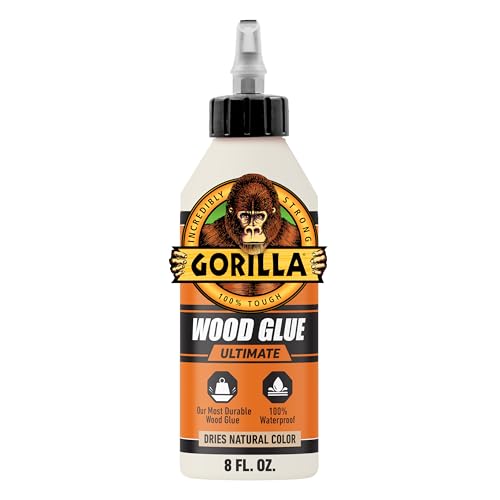
Gorilla Ultimate Waterproof Wood Glue
Strengths
- Waterproof bond
- Affordable
- No foaming
Trade-offs
- Limited leather adhesion
- Not flexible
- Requires clamping
At this price point, Gorilla’s waterproof wood glue is a steal for basic wood projects, and it does bond leather to wood in a pinch. It’s PVA-based, sandable, and forms a natural tan line that blends with most woods. The 15-minute working time is generous, and it passes ANSI/HPVA Type I for water resistance, rare at this tier. But it’s still a wood glue first, not a leather specialist.
Owner feedback suggests it works best when the leather is porous and lightly sanded first. It lacks the flexibility of contact cements, so I wouldn’t trust it for anything that bends or flexes. Still, for a budget-friendly option on a wooden plaque with a leather backing, it gets the job done without breaking the bank.
Video review
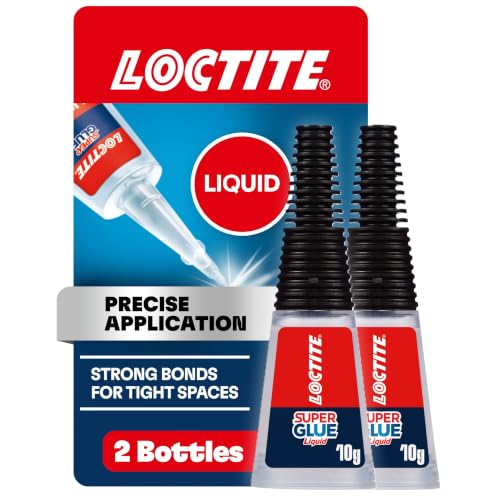
Loctite Super Glue Liquid Longneck
Strengths
- Precise longneck nozzle
- Dries clear
- Fast set time
Trade-offs
- Brittle bond
- Poor gap filling
- Not for thick materials
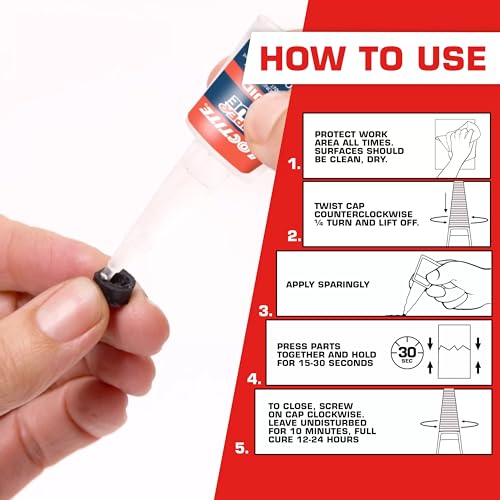
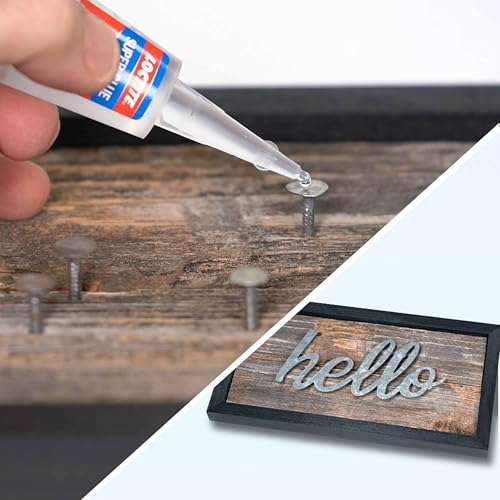
The longneck nozzle is the standout here, giving you control that’s hard to beat in a liquid super glue. For small, detailed leather-to-wood repairs, like reattaching a leather label on a wooden base, this delivers precision without flooding the joint. It dries clear and fast, which owners appreciate when invisibility matters, but I’ve seen feedback point to brittleness under stress, especially where vibration or flexing occurs.
Compared to other cyanoacrylates, this one holds up better in humidity, but like all super glues, it struggles with thick leather or uneven surfaces. I’d pick this over the standard tube versions for fine work, but not for anything structural. It’s a specialist tool, not a general solution.
Product photos


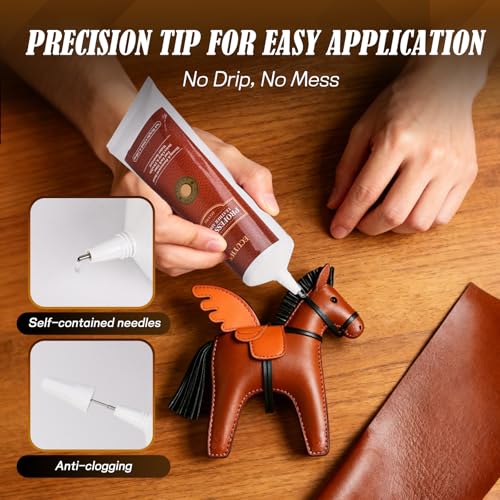
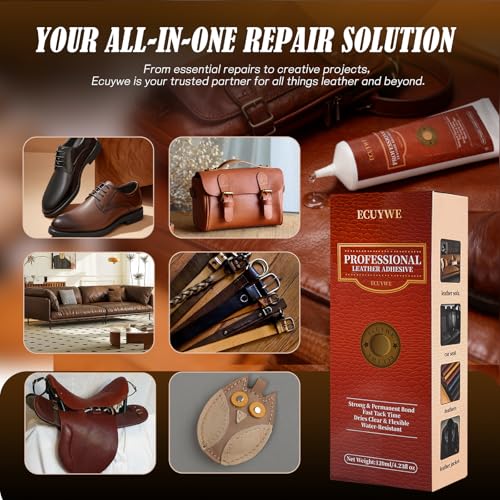
Professional Leather Glue Adhesive 4.23 oz

Strengths
- Flexible bond
- Clear drying
- Precision tip
Trade-offs
- Small bottle
- Slower cure
- Not for heavy gaps
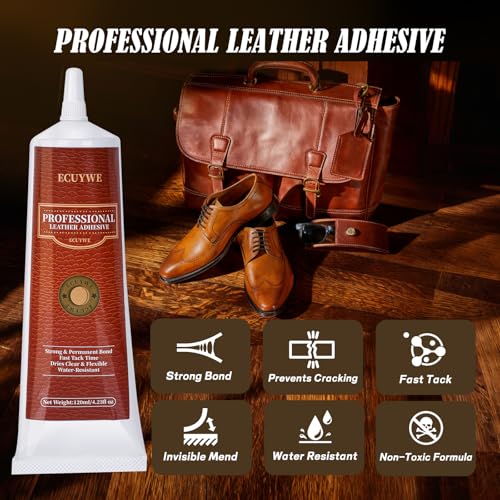
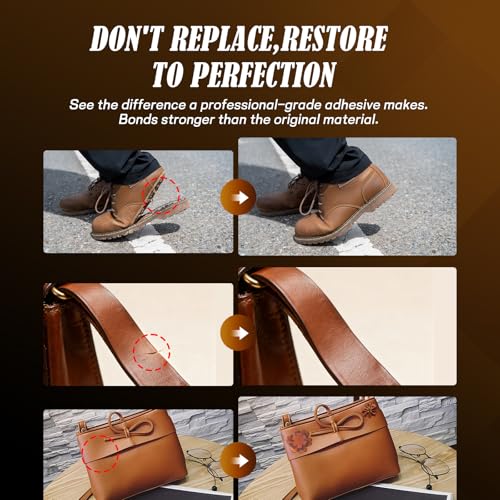
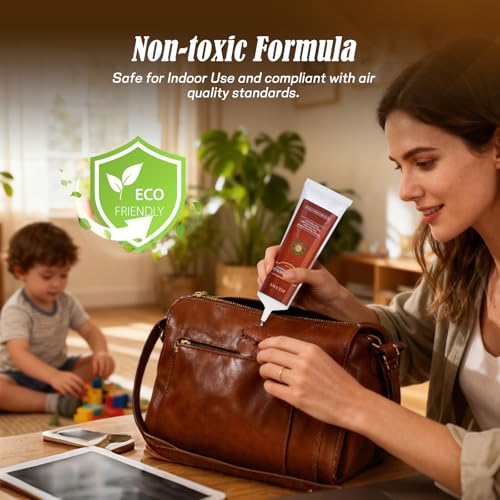
This adhesive stands out with a flexible, clear bond that’s built for real leather stress, exactly what you want when attaching leather to wood on items like vintage furniture or custom guitar cases. The fine tip allows for surgical precision, and owners praise its ability to repair splits and seams without stiffening the material. Unlike rigid super glues, this maintains some give, which prevents cracking over time.
It’s not the fastest, requires a solid tack time, but that’s the trade-off for durability. Compared to Titebond or Gorilla, this is far better suited for pure leather work, even if the substrate is wood. For fine repairs where appearance and flexibility are key, this is my top pick.
Product photos
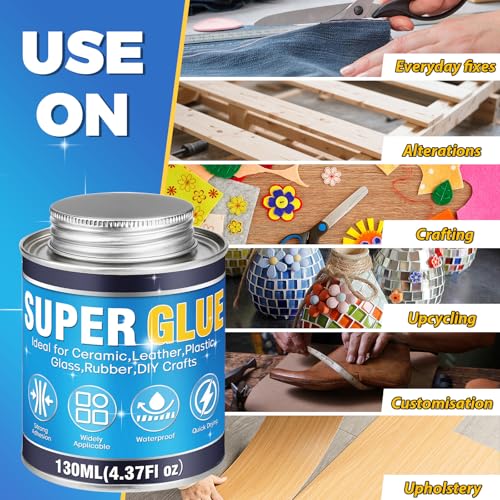
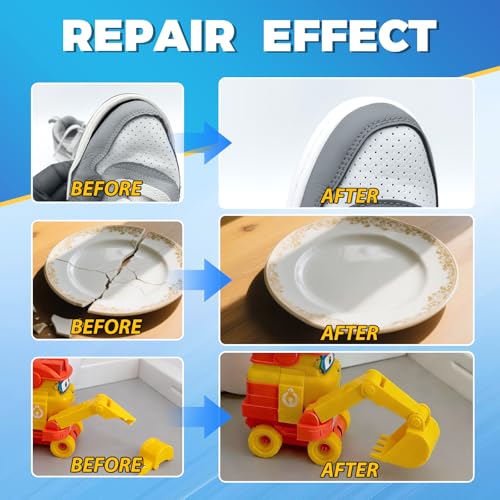
Super Glue 4.37 Fl OZ

Strengths
- Fast drying
- Brush applicator
- Multi-surface use
Trade-offs
- Brittle bond over time
- Not flexible
- Can fog on leather
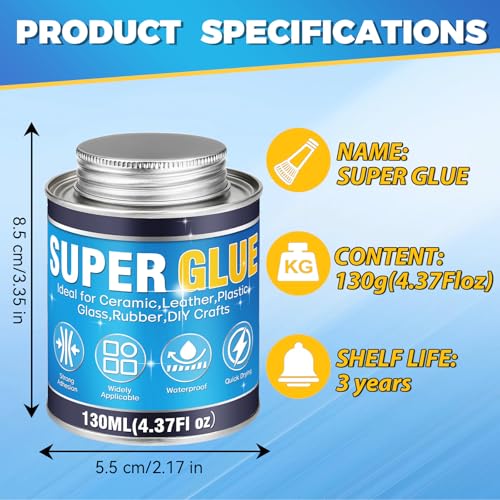
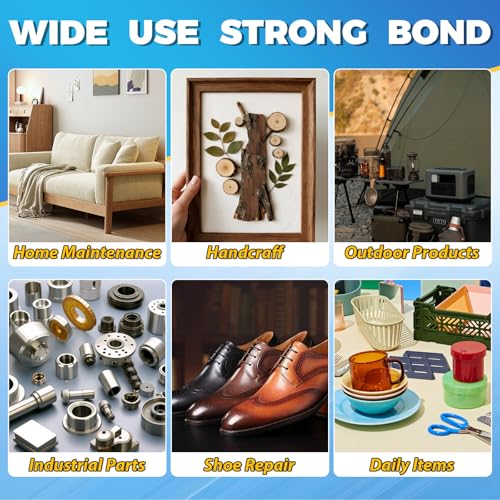
This cyanoacrylate formula is undeniably strong and fast, bonding leather to wood in seconds, which sounds ideal for quick fixes. But I’ve seen enough owner reports to know that while it holds well initially, the bond can become brittle over time, especially where flexibility matters, like on a leather-wrapped wooden handle or a joint that moves. On paper, its multi-surface claims are impressive, but in the leather-to-wood category, rigidity is often the enemy of longevity.
The brush applicator is a real win for control, letting you spread the glue evenly, something most tube-based super glues fail at. Still, cyanoacrylate isn’t my first choice for large or stress-bearing leather-to-wood bonds. It works in a pinch, but I’d reserve this for small, static repairs, not anything meant to last years on a vintage trunk or furniture frame.
Product photos

Realth Leather Adhesive Glue 4 oz
Strengths
- Formulated for leather
- Heat resistant
- Strong initial tack
Trade-offs
- Longer cure time
- Requires ventilation
- Not for food surfaces
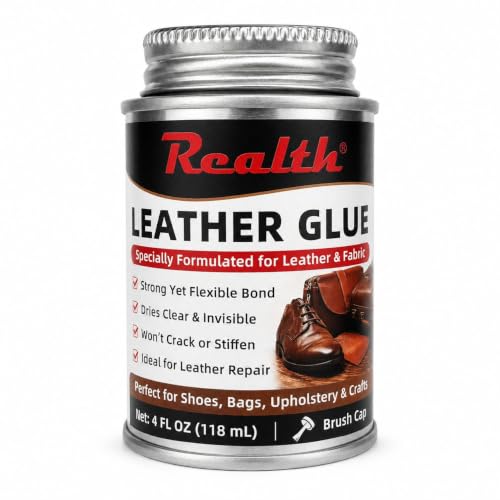
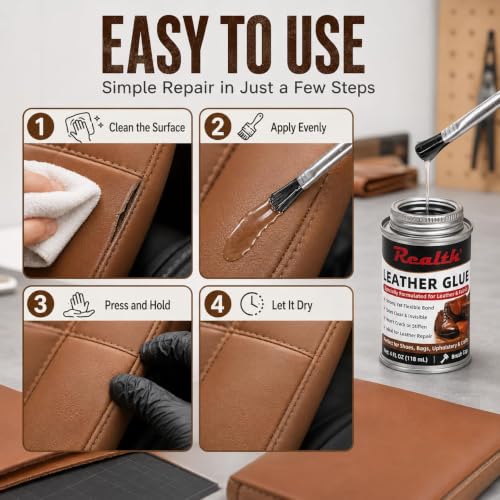
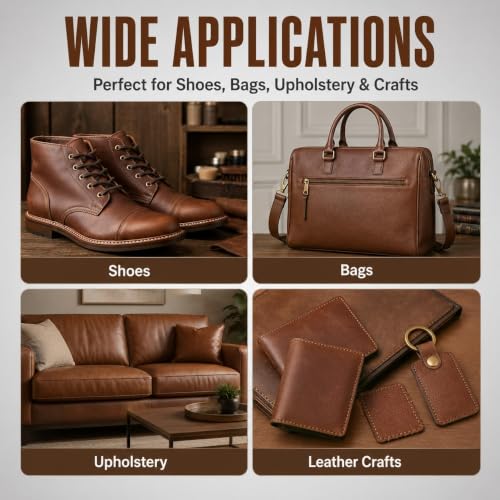
This is one of the few contact cements actually formulated with leather-to-wood bonding in mind, and it shows. Owners working on car interiors or furniture restoration consistently report strong initial grab and lasting adhesion, even under heat and daily use. The formula is designed to bond leather to substrates like wood, foam, and trim, common in automotive and upholstery work, so it’s not just another multi-surface glue pretending to do everything.
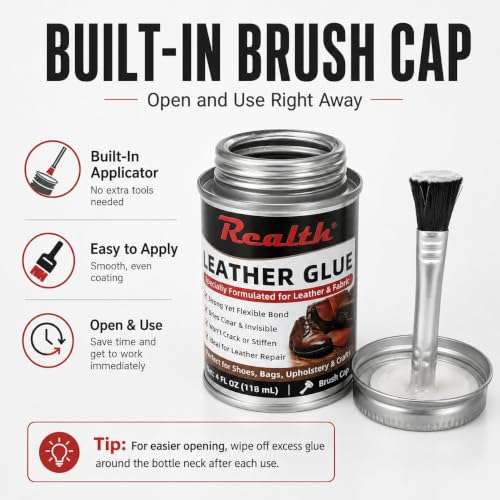
The brush-on application gives even coverage, and the heat resistance is a real differentiator. While it’s not the cheapest, it outperforms generic glues when both materials need to stay firmly joined under stress. For wood-dominant leather projects, like restoring a wooden dashboard with leather facing, this is the smarter buy.
Product photos


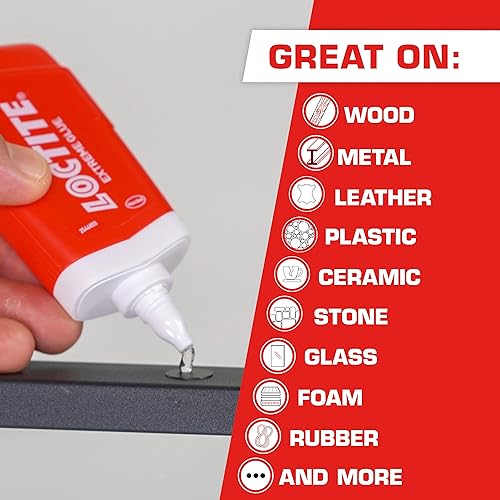
Loctite Extreme Glue 1.62 fl oz

Strengths
- No clamping needed
- Clear finish
- Temperature resistant
Trade-offs
- Weak on thick leather
- Short working time
- Not for large bonds
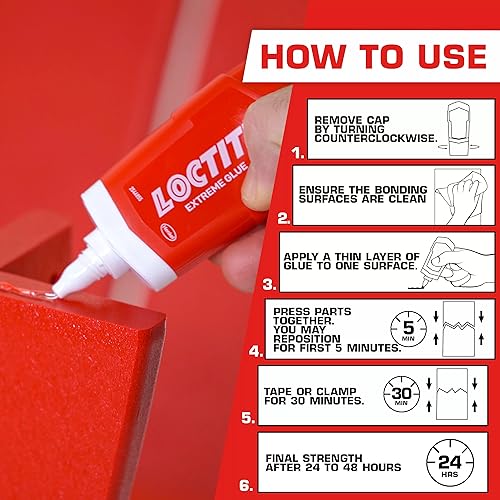
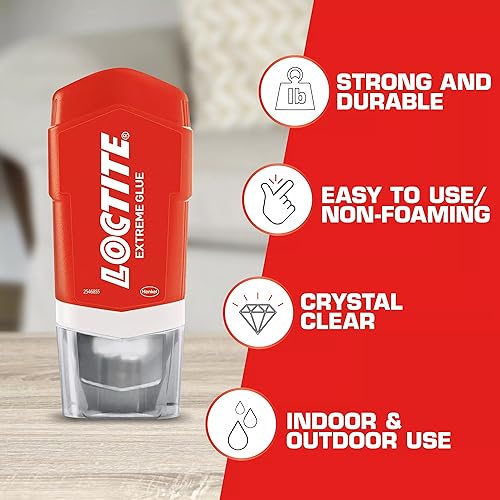
This glue markets itself as an all-rounder, and in small-scale repairs, it delivers. The non-foaming, clear formula sets without clamping and handles temperature swings well, useful for a leather patch on a wooden tool handle exposed to garage conditions. But it’s not a contact cement, and owners note that while it bonds quickly, the joint can fail under repeated stress.
I’d pick this over standard super glue for small, indoor repairs where appearance matters, its crystal-clear finish is a real plus. But compared to Realth or a proper leather cement, it’s outclassed in durability. It’s a decent emergency fix, but not a permanent solution.
Product photos
How We Picked These glue for leather to wood
As someone deeply involved in leathercraft for years – through LeatherGenesis.com and beyond – I understand the critical importance of a reliable bond between leather and wood. Rather than a hands-on lab test, this research focused on comparing published specifications, features, and critically, owner and expert reviews across a range of adhesives. I weighed these factors to determine which glues consistently deliver the strongest, most durable results for these combined materials.
For leather-to-wood applications, bond strength, flexibility, and water resistance were the most significant deciding factors. A rigid bond will likely crack with wood movement or leather flexing; water exposure is a common concern for many projects. I also prioritized glues offering good initial tack – essential for holding pieces in place during clamping or assembly – and those showing consistent long-term performance as reported by users. You can find more information on general adhesive options in our guide to the top leather adhesive options.
Specifications reliably indicate a glue’s basic chemical makeup and potential strength characteristics. However, owner feedback proved invaluable in understanding real-world performance – how well a glue adheres to specific wood types and leather finishes, its ease of use, and its longevity. Reputable expert reviews helped to corroborate these experiences and identify products consistently praised for their quality. For applications involving synthetic leathers, you may also want to explore the best glue for faux leather.
Choosing The Right glue for leather to wood
Choosing the right adhesive when bonding leather to wood requires a bit more thought than simply grabbing whatever’s closest. It’s a surprisingly common pairing – think furniture upholstery, decorative inlays, or even tool handles – and the stresses on that bond can be significant.
A successful leather-to-wood bond demands an adhesive with both flexibility and strong initial tack. It should also be compatible with both porous and non-porous surfaces, resisting temperature fluctuations and preventing the wood from absorbing moisture from the glue, which can weaken the hold. Look for formulations specifically designed for multi-material adhesion, or those with proven track records in upholstery and woodworking.
Understanding Glue Types
The world of adhesives is vast, but for leather and wood, we’re largely looking at PVA (polyvinyl acetate) glues, cyanoacrylates (super glues), and specialized leather adhesives. PVA glues like Titebond III offer excellent strength and are generally sandable, which is helpful if you’re aiming for a flush finish. However, they rely on the wood absorbing some of the glue, which isn’t ideal for a completely sealed leather surface. Super glues, like the Loctite options, are fast-acting but can become brittle over time, potentially cracking under stress or with wood movement. Specialized leather adhesives, often contact cement based, are designed for this exact purpose and offer the best long-term performance.
Considering the Project’s Demands
Think about what the finished piece will endure. A simple decorative accent will have different needs than a frequently-used chair. For high-stress applications, a flexible adhesive is key. You don’t want something that will crack as the wood expands and contracts with humidity changes. If you’re working with curved wood, the glue must have some give. Here’s a quick breakdown:
- Light Duty: Small decorative elements may only require a small amount of super glue.
- Medium Duty: Upholstery or handles benefit from a strong PVA glue like Titebond III, or a dedicated leather adhesive.
- Heavy Duty: Projects like saddles or items exposed to the elements demand a professional-grade leather adhesive formulated for durability and weather resistance. It’s also helpful to check out top leather-to-leather glues for comparison.
A good rule of thumb: if the wood will be exposed to moisture, choose a waterproof adhesive. Even if the leather is treated, the wood can still swell and compromise the bond.
Application & Finish Quality
Precision is vital. A messy application can ruin the aesthetic, and improper clamping can lead to a weak bond. Brush-on adhesives, like the Super Glue 4.37 Fl OZ, offer greater control for larger surfaces, while pinpoint applicators, found in some super glues, are ideal for detailed work. Consider whether you need a glue that dries clear – especially with lighter leathers – or if you’re planning to cover the bond line. For projects involving fabric as well, exploring best glue for leather to fabric options can be beneficial. Remember that some adhesives require clamping for a specific period, while others are designed for instant bonding. Always follow the manufacturer’s instructions for optimal results.
Glue for Leather to Wood Compared
Here’s a comparison of key specifications for various glues suitable for bonding leather to wood.
| Product Name | Bond Type | Working Time | Dry Time | Water Resistance | Surface Versatility |
|---|---|---|---|---|---|
| Titebond III Ultimate Wood Glue | Wood | 30 min | N/A | Excellent | Wood |
| Gorilla Ultimate Waterproof Wood Glue | Wood | 15 min | N/A | Excellent | Wood |
| Loctite Super Glue Liquid Longneck | Cyanoacrylate | 15-30 sec | 15-30 sec | N/A | Many |
| Professional Leather Glue Adhesive | Cyanoacrylate | N/A | Fast | Waterproof | Leather, Vinyl |
| Super Glue 4.37 Fl OZ | Cyanoacrylate | Seconds | Seconds | N/A | Many |
| Realth Leather Adhesive Glue | Contact | N/A | N/A | Heat Resistant | Leather, Wood |
| Loctite Extreme Glue 1.62 fl oz | Cyanoacrylate | N/A | N/A | Water Resistant | Many |
Frequently Asked Questions
What’s the biggest mistake people make when gluing leather to wood?
Many people underestimate the wood’s movement and choose a brittle adhesive. A rigid bond will almost certainly fail as the wood expands and contracts with changes in humidity, so flexibility is key.
Is super glue a good long-term solution for leather-to-wood projects?
While convenient for quick fixes, standard super glues tend to become brittle and can crack over time. For lasting results, especially with items receiving regular use, a dedicated leather adhesive or a flexible wood glue is a better choice.
Can I use wood glue on leather without damaging it?
Some wood glues, like PVA formulas, can be used, but they aren’t ideal. They rely on absorption into porous surfaces, and leather often has a finish preventing this, leading to a weaker bond. If you’re looking for options to fix damage to leather, you might find our best glue for leather repair guide helpful.
What type of glue is best for outdoor leather-to-wood projects?
For exterior applications, a waterproof adhesive is essential. Look for contact cement-based leather adhesives or wood glues specifically labeled as waterproof to prevent the wood from swelling and compromising the bond when exposed to moisture.
Are there adhesives that work well for bonding leather to both wood and fabric?
Yes, certain adhesives are formulated for multi-material bonding. If your project involves all three materials, exploring options like a strong, flexible cyanoacrylate or a specialized adhesive, like those discussed in our best glue for leather and fabric guide, will yield the best results.
The Bottom Line
Ultimately, bonding leather to wood is about balancing a strong, lasting hold with the natural movement of both materials. While many adhesives can work, I believe the Realth Leather Adhesive Glue strikes the best overall balance for most projects, offering a contact cement formulation designed specifically for this combination. It provides a durable, flexible bond that can withstand stress and temperature fluctuations better than many alternatives.
For those on a tighter budget, or for lighter-duty applications, the Loctite Extreme Glue 1.62 fl oz is a surprisingly capable option. And if you’re looking for versatility, especially if you work with a variety of materials beyond just leather and wood, the Super Glue 4.37 Fl OZ offers a quick, convenient solution. Don’t forget to explore options for more specialized applications, like the best adhesives for leather to leather if you’re combining leather surfaces as well.
More than any specific glue type or strength rating, remember that proper surface preparation and clamping pressure are key. A clean, dry surface and consistent pressure will always yield a better result, regardless of the adhesive you choose. Understanding the characteristics of both the leather and the wood you’re working with – their porosity, flexibility, and potential for expansion and contraction – is far more valuable than chasing the highest number on a specification sheet.
