
7 Best Auto Leather Protectants of 2026
This post contains affiliate links. As an Amazon Associate, we earn from qualifying purchases.
This post contains affiliate links. As an Amazon Associate, we earn from qualifying purchases.
The best overall auto leather protectant is GYEON Leather Shield, a ceramic-based spray that delivers serious UV and stain resistance without greasiness. For a more budget-friendly option that still cleans and protects well, 303 Leather 3-In-1 Complete Care is a solid pick, especially for regular maintenance.
Most people don’t realize how quickly sun and spills can degrade auto leather, even if it looks fine today. Without proper protection, fading, cracking, and staining become inevitable, especially in vehicles parked outdoors.
As the founder of LeatherGenesis.com, I’ve spent years studying how leather ages and what actually works to preserve it. This guide reflects that expertise, comparing formulas based on UV blocking, durability, and how they affect leather feel, using specs, verified owner reviews, and professional input to identify the best protectants for real-world use.
Top 7 Auto Leather Protectant in the Market
The Best Auto Leather Protectant, Reviewed
GYEON Leather Shield Ceramic Coating

Strengths
- Extreme durability
- Invisible, natural finish
- Strong UV and stain resistance
- One-layer application
Trade-offs
- High price
- Requires strict prep
- Not for beginners
This is the premium pick for a reason. GYEON’s Leather Shield EVO is engineered like a professional ceramic coating, applied once, it forms a robust, invisible layer that resists stains, UV damage, and dye transfer, which is critical for light-colored seats like those in Teslas. The spec that matters here is its repellency: owners report spills bead up and wipe away cleanly, a sign of strong hydrophobic properties.
But it demands proper prep. Using it over oily residues or improper cleaners can ruin adhesion, as warned in the instructions. It’s also the most expensive option by far. Still, for buyers who want the longest-lasting, cleanest finish possible, this is the smarter buy. I’d place it above sprays and serums for serious protection.
Video review
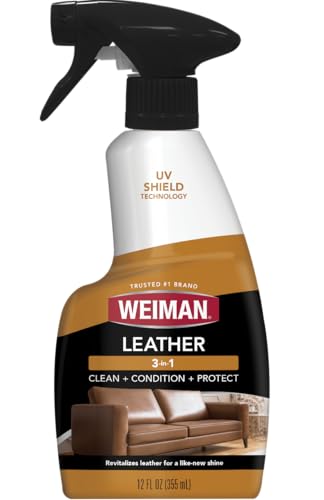
Weiman Leather Cleaner & Protector
Strengths
- Affordable
- Cleans and conditions
- UV protection
- No sticky residue
Trade-offs
- Moderate penetration
- Shorter protection span
Weiman packs a lot into an affordable bottle. It’s one of the few budget-friendly options that still delivers UV protection and a residue-free finish. The six natural oils help condition while cleaning, which is rare at this price. Owners praise its effectiveness on both car seats and home furniture, and the trigger spray makes coverage easy.
But it’s not the deepest conditioner on the list. Compared to P&S or Chemical Guys serums, it doesn’t penetrate as far into weathered leather. Still, for routine care on moderately used surfaces, it’s a solid value. I’d recommend this as a starter product or for households with multiple leather items needing basic upkeep.
Video review
Chemical Guys HydroLeather Ceramic Coating

Strengths
- Ceramic durability
- Dry-to-touch finish
- No greasy feel
- Flexible protection
Trade-offs
- Requires pre-cleaning
- Not a conditioner
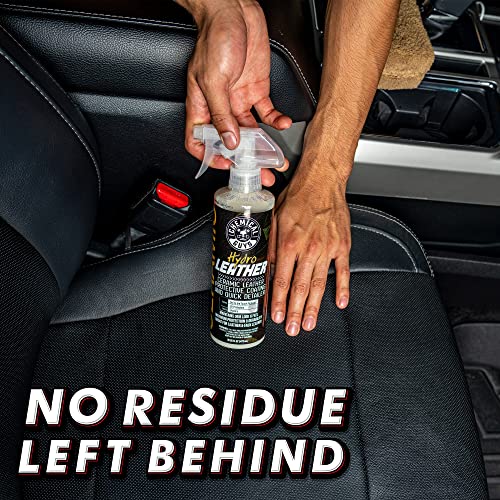
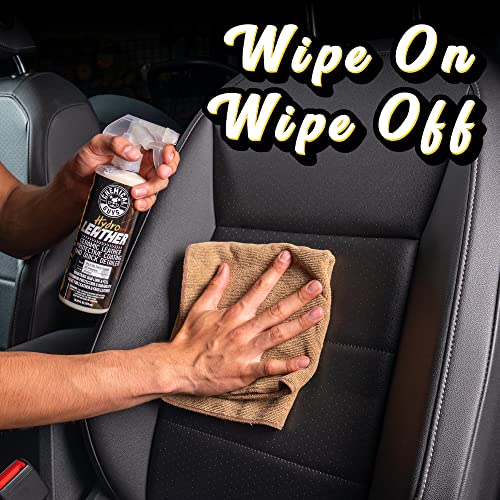
HydroLeather brings ceramic technology into the leather care space, and it shows. It’s designed to create a flexible, invisible barrier that resists dirt and weathering without altering the leather’s feel, something I always emphasize with clients concerned about authenticity. The dry-to-touch finish is consistent across reviews, and it doesn’t stiffen the material, which is a common downside with polymer-based coatings.
It’s not a conditioner, so you’ll need to prep with a nourishing product first. But as a shield, it outperforms traditional sprays. Compared to other ceramic options, it’s more accessible in price and easier to apply. I’d stack this after a deep conditioning treatment for maximum effect.
Product photos


Chemical Guys Leather Protectant Serum

Strengths
- Long-lasting protection
- Dry-to-touch finish
- UV protection
- Works on all leather goods
Trade-offs
- Not for dry, cracked leather
- Higher price point
This is one of the few products in the leather care space that delivers on long-term defense. With a claimed 12-16 month protection window, it’s clearly formulated for owners who don’t want to condition monthly. The dry-to-touch finish is a big win, it means no transfer onto clothes, which is a common complaint with oil-heavy formulas. Reviewers note it works well on both car interiors and household leather, which speaks to its balanced chemistry.
The formula leans more toward protection than deep nourishment, so I’d pair it with a dedicated conditioner if your leather is already parched. But for newer or well-maintained surfaces, this serum creates a durable barrier against UV damage and everyday wear. Compared to basic sprays, it’s a smarter buy for longevity.
Product photos


303 Leather 3-In-1 Complete Care

Strengths
- Cleans, conditions, protects
- Rinse-free formula
- Dust and stain repellent
- UV protection
Trade-offs
- Not for deep restoration
- Shorter duration than serums
The 3-in-1 formula makes this a standout for convenience. It’s one of the few products that genuinely performs all three functions without leaving a greasy film, something many all-in-ones fail at. The rinse-free design is ideal for quick interior touch-ups, and the dust and stain repellency is backed by consistent owner feedback. Its UV protection is strong for the price, and being made in the USA adds to its appeal for buyers who care about sourcing.
That said, it’s not a deep cleaner or a heavy conditioner. If your leather is already faded or stiff, this won’t revive it. But for routine care on healthy surfaces, it’s efficient. I’d recommend this over single-function products for casual users who want simplicity without sacrificing performance.
Product photos


P&S Professional Leather Conditioner
Strengths
- Deep penetration
- Restores suppleness
- Long-lasting UV protection
- Luxurious scent
Trade-offs
- Strong fragrance
- Takes longer to absorb
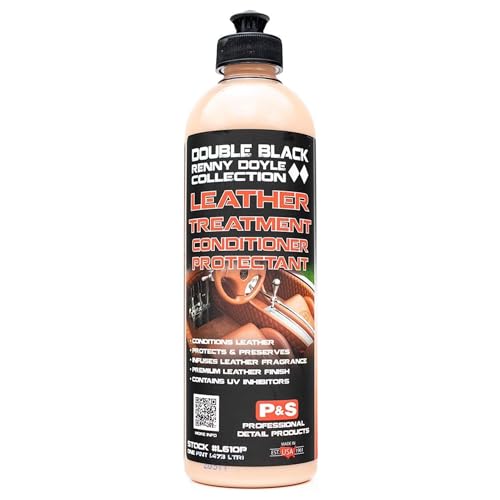
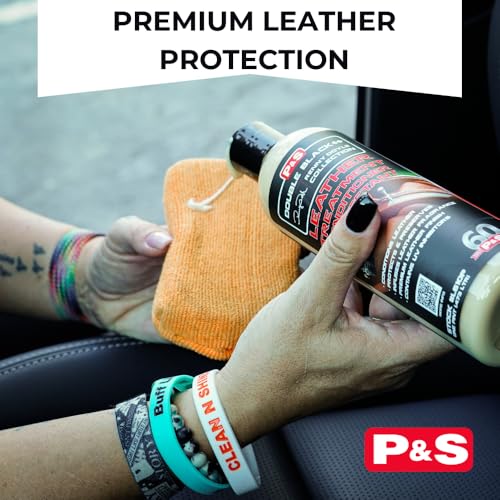
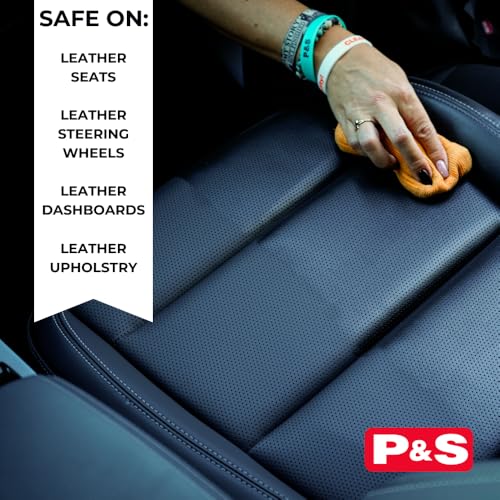
If your leather is dry, faded, or stiff, this is the product to reach for. P&S is formulated to penetrate deeply, restoring lost oils and flexibility, something I often see missing in off-the-shelf sprays. The UV inhibitors are strong, and the rich leather scent is a bonus that reviewers consistently praise, adding to the premium feel. It’s part of a pro detailer’s toolkit, not just a quick fix.
It’s not the fastest-drying option, and the scent may be too strong for some. But for deep conditioning, it outperforms most competitors. I’d use this before applying a ceramic shield like GYEON or HydroLeather to ensure the leather is fully nourished.
Product photos
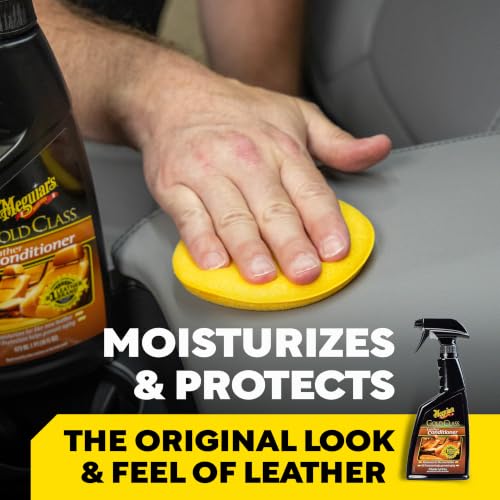
Meguiar’s Gold Class Leather Spray
Strengths
- Fast absorption
- No residue
- UV protection
Trade-offs
- Shorter protection window
- Limited deep conditioning
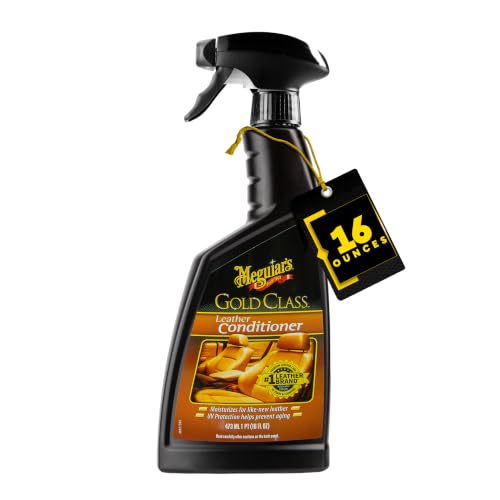
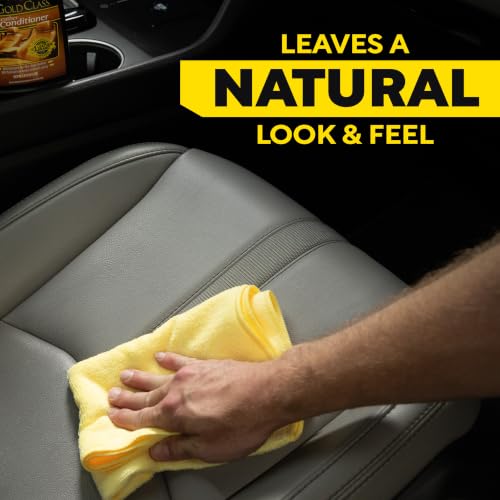
This spray stands out for its simplicity and clean finish. On paper, it’s built for users who want a no-fuss, residue-free conditioner that preserves the natural texture of leather. Owners consistently report it absorbs quickly and doesn’t leave behind that slick, artificial shine some products do, something I always advise against if you’re aiming for OEM authenticity. The aloe and moisturizing oils help maintain suppleness, and the UV protection is solid for daily drivers parked outside.
It’s best used as part of a routine maintenance cycle, especially after cleaning with its companion cleaner. While it doesn’t claim extreme longevity, the ease of reapplication makes up for it. I’d pick this over heavier creams if you’re doing light, frequent upkeep and want to avoid buildup.
Product photos
How We Chose These auto leather protectant
As someone deeply involved in understanding leather – its nuances, care, and longevity – I approached evaluating auto leather protectants with a focus on both technical specifications and real-world user experiences. Rather than a hands-on lab test, this is a research-led comparison of published product details, owner reviews from various online retailers, and insights from professional detailing communities. I weighed these sources against my understanding of leather chemistry and the types of damage automotive interiors endure.
For auto leather, the most critical factors are UV protection, durability of the protective barrier, and the product’s effect on the leather’s feel. A protectant must block damaging UV rays to prevent fading and cracking, and it needs to withstand daily use without quickly degrading. Equally important, it shouldn’t leave a sticky residue or alter the leather’s natural suppleness; a product that compromises the tactile experience misses the mark. You can find more of my detailed research into related products in this leather protector roundup.
Product specifications reliably indicate the presence of UV inhibitors and the type of coating (ceramic, acrylic, etc.). However, long-term durability and the impact on leather feel are best assessed through owner feedback. Reviews reveal whether a protectant truly resists staining, how easily it applies, and whether it alters the leather’s texture over time. For deeper conditioning needs, exploring the best auto leather conditioners can be a valuable next step.
How To Pick The Right auto leather protectant
Protecting your vehicle’s interior is a smart investment, and a good auto leather protectant is key to preserving that investment. It’s more than just making the seats look nice; it’s about preventing damage from UV exposure, spills, and everyday wear.
Automotive leather presents unique challenges. A quality protectant should create a barrier against staining and fading without altering the leather’s texture or breathability. Look for products designed specifically for auto leather, and consider the type of finish – coated or aniline – as this impacts the best approach to conditioning and protection. Prioritize UV resistance and a formula that won’t leave a sticky or greasy residue.
Understanding Leather Types & Finishes
The first step is knowing what kind of leather you’re dealing with. Most automotive leather is protected or coated leather, meaning it has a polymer surface layer. These benefit from ceramic coatings and protectants that form a durable shield. However, some higher-end vehicles use aniline or semi-aniline leather, which is more natural and porous. These require gentler conditioners and protectants to avoid over-saturation and discoloration. Don’t assume all products are universally compatible. If you’re unsure, consult your vehicle’s manual or a professional detailer.
Balancing Protection and Feel
Many protectants focus solely on creating a barrier, but the best ones also maintain the leather’s suppleness. Ceramic coatings, like the GYEON Leather Shield, offer exceptional durability and stain resistance, but some users report a slight change in texture. Conversely, oil-based conditioners, while excellent for softening, often provide less long-term protection against UV damage and spills. Finding the right balance depends on your priorities.
Here’s a quick guide to consider:
- Daily Driver: Prioritize durability and ease of application.
- Show Car/Weekend Cruiser: Focus on a premium finish and maximum protection, even if it requires more effort.
- Older Leather: Deep conditioning is essential before applying a protectant, and you might consider products with restorative properties. You can find some excellent options in our best leather treatments list.
A little preventative maintenance goes a long way. Regularly cleaning and protecting your leather is far more cost-effective than repairing significant damage down the road.
Considering Longevity and Application
The frequency with which you’ll need to reapply a protectant varies greatly. Some ceramic coatings, like Chemical Guys HydroLeather, claim to last a year or more. Others, such as 303 Leather 3-In-1 Complete Care, offer protection for around 45 days. Consider your lifestyle and how heavily the vehicle is used. Application method is also important. Sprays, like Meguiar’s Gold Class Leather Spray, are convenient, but may not provide as even a coat as a product applied with a microfiber applicator. If you notice significant wear or damage, you might also want to explore top leather repair kits to address existing issues.
Auto Leather Protectant Compared
Here’s a comparison of key specifications for popular auto leather protectants to help you make an informed decision.
| Product Title | Ceramic Coating? | UV Protection | Lasting Protection | Application Type | Key Features |
|---|---|---|---|---|---|
| GYEON Leather Shield | Yes | Yes | N/A | Spray | Ceramic coating, stain resistance |
| Weiman Leather Cleaner & Protector | No | Yes | N/A | Spray | Cleans, conditions, natural oils |
| Chemical Guys HydroLeather | Yes | N/A | N/A | Spray | Dry-to-the-touch, OEM look |
| Chemical Guys Leather Protectant Serum | No | Yes | 12-16 months | Spray | Prevents cracking, fading |
| 303 Leather 3-In-1 Complete Care | No | Yes | 45 days | Spray | Cleans, conditions, restores |
| P&S Professional Leather Conditioner | No | Yes | N/A | N/A | Deep conditioning, leather scent |
| Meguiar’s Gold Class Leather Spray | No | Yes | N/A | Spray | Aloe & moisturizing oils |
Frequently Asked Questions
What’s the difference between a leather conditioner and a leather protectant?
A leather conditioner replenishes oils within the hide to keep it supple and prevent cracking, whereas a protectant creates a barrier on the surface to shield against UV rays, spills, and everyday wear. While some products offer both, a dedicated protectant is essential for long-term defense of your car’s leather.
Can I use any leather protectant on all types of auto leather?
No, you shouldn’t. Coated leather benefits from durable protectants like ceramic coatings, but aniline leather requires gentler formulas to avoid damage. Always check the product label and your vehicle’s documentation to ensure compatibility or consult a professional detailer.
How often should I apply a leather protectant to my car’s interior?
Application frequency depends heavily on the product and your vehicle’s exposure. Some ceramic coatings can last over a year, while others, like many spray-on options, need reapplication every 45 to 90 days. Regular inspection will help you determine when the protective layer is wearing thin.
Will a leather protectant change the feel of my leather?
Some protectants, particularly ceramic coatings, can slightly alter the leather’s texture, creating a firmer feel. However, many modern formulas are designed to minimize this effect, and a quality product should maintain a natural suppleness. If feel is a major concern, consider testing in an inconspicuous area first, or explore the best leather treatments for cars which often prioritize feel.
What’s the best way to prepare leather before applying a protectant?
Proper preparation is crucial. Thoroughly clean the leather to remove dirt and grime, then allow it to dry completely. If the leather is dry or cracked, consider applying a dedicated conditioner beforehand to restore its moisture before applying a protective layer. You can find more information on the top car leather treatments to help with this step.
The Bottom Line
Choosing an auto leather protectant often comes down to balancing long-term durability with the desire to maintain the natural feel of the leather. While ceramic coatings like GYEON Leather Shield offer exceptional protection against staining and UV damage, it’s a trade-off – some owners report a slight texture change. For the strongest overall protection and a widely-liked result, I believe GYEON Leather Shield provides the best balance of features, and is a solid investment for most vehicles.
If budget is a primary concern, or you prefer a product with conditioning properties, the 303 Leather 3-In-1 Complete Care is an excellent choice. For those seeking versatility, Chemical Guys Leather Protectant Serum offers a good blend of protection and restoration, while for furniture, you can find our best leather protectors for furniture in a separate guide. And if you’re looking to protect other leather goods, check out our leather shoe protectant guide for some top recommendations.
Ultimately, the specifications of a protectant are important, but they shouldn’t overshadow the fundamentals of leather care. Regular cleaning, consistent protection, and addressing issues promptly will always yield better results than relying on any single product to perform miracles. Prioritizing these basic practices is what truly preserves the beauty and longevity of your vehicle’s leather interior.
