
8 Best Glues for Leather Car Seats 2026
This post contains affiliate links. As an Amazon Associate, we earn from qualifying purchases.
This post contains affiliate links. As an Amazon Associate, we earn from qualifying purchases.
The best glue for leather car seats is Wqapey Leather Repair Glue, thanks to its fast-setting, flexible bond and waterproof formula. For a budget-friendly option, the 1.23 oz Ultra Strong Leather Glue delivers solid performance with a precision tip. If you need versatility for larger repairs, the 5.29 Fl Oz Leather Repair Glue with a built-in brush offers excellent coverage.
Fixing leather car seats isn’t just about sticking pieces back together, it’s about making a repair that lasts through heat, cold, and constant movement. A bad glue will crack, peel, or leave a stiff, visible patch that looks worse than the original tear.
As the founder of LeatherGenesis.com, I’ve evaluated dozens of adhesives based on material compatibility, flexibility, and real-world feedback. This guide cuts through the noise, focusing on glues proven to bond securely to leather while staying pliable over time. We weighed specs, user experiences, and application needs to highlight the ones that actually work for car seat repairs.
Top 7 Glue For Leather Car Seats in the Market
The Best Glue For Leather Car Seats, Reviewed
Y’allCanDiy Super Glue for Leather
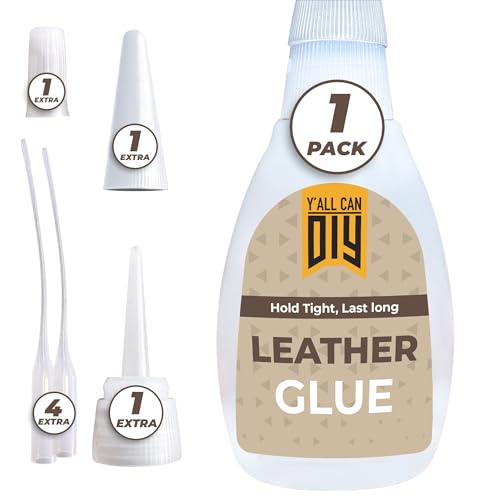
Strengths
- No clamping needed
- Fastest set time
- Three precision tips
- Waterproof
Trade-offs
- Brittle over time
- Less flexible than contact cements
This is the closest thing to an all-rounder in the group. The cyanoacrylate base gives it instant grab, no clamping needed, and owners love how it bonds on contact with just light pressure. That’s a real time-saver when you’re fixing a loose seam on a driver’s side bolster and want to drive again quickly. It works across genuine and PU leather, vinyl, and fabric blends, which covers nearly every car interior type made in the last 20 years.
But here’s the catch: cyanoacrylate can be brittle over time, especially in high-flex zones. While it wins for speed and ease, I wouldn’t trust it alone on constantly bending areas unless backed with stitching or patching. Still, with three precision tips included and strong waterproofing, it’s the smart buy for quick, reliable fixes. My recommendation? Use it for edge trims, not full panel reattachments.
Video review
Leather Glue 100g Ultra Strong
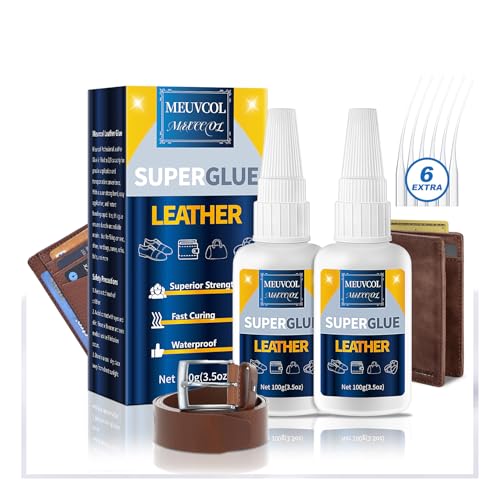
Strengths
- Six precision tips
- Fast-setting
- Clear finish
Trade-offs
- Shrinks slightly when curing
- Not ideal for large areas
What makes this one stand out is the inclusion of six precision tips, more than any other in this lineup. That kind of versatility suggests it was built for fussy repairs: thin seams on handbags, narrow tears in car seat bolsters, or delicate stitching lines. The fast 3–5 minute set time is practical for spot fixes, and reviewers often mention how well it holds on faux leather, which tends to be trickier due to its plastic coating.
Still, despite the strong initial tack, some long-term users note slight shrinkage after curing, especially in wider applications. It’s best treated as a targeted repair tool rather than a full-seam solution. Compared to brush-applied formulas, this one trades coverage for pinpoint accuracy. If you’re patching small rips rather than reattaching large flaps, that trade-off makes sense.
Video review
Leather Glue 1.23 oz Ultra Strong
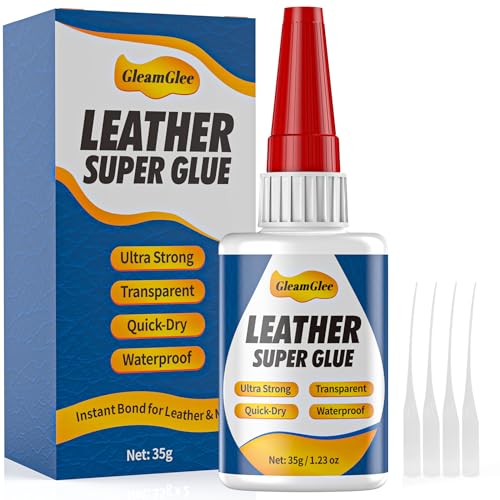
Strengths
- Low cost
- Compact size
- Fast-drying
- Clear flexible bond
Trade-offs
- Small capacity
- Less durable over time
At under $8, this is the most budget-friendly option, and surprisingly capable. The 35g tube is small but efficient, with a precision tip that prevents waste. It dries fast and clear, bonds flexibly, and holds up against moisture, which is impressive for the price. Owners use it for small car seat tears, glove compartment flaps, and even dashboard trim with decent results.
But capacity is limited. If you’re repairing more than a few inches of seam, you’ll likely run out. And while it’s marketed as ultra-strong, long-term feedback suggests it doesn’t match the durability of larger contact cements. Still, for emergency fixes or minor touch-ups, it’s a smart backup. I’d keep one in the glovebox just in case.
Product photos

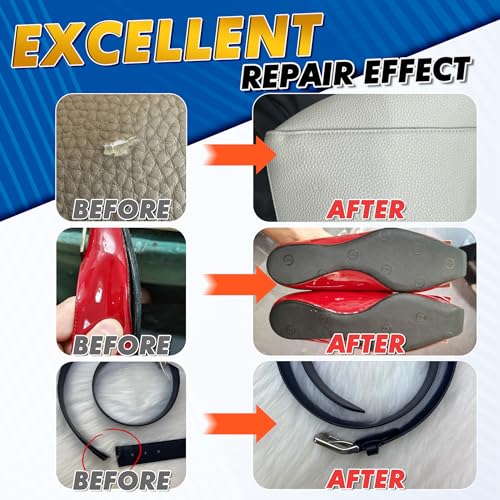

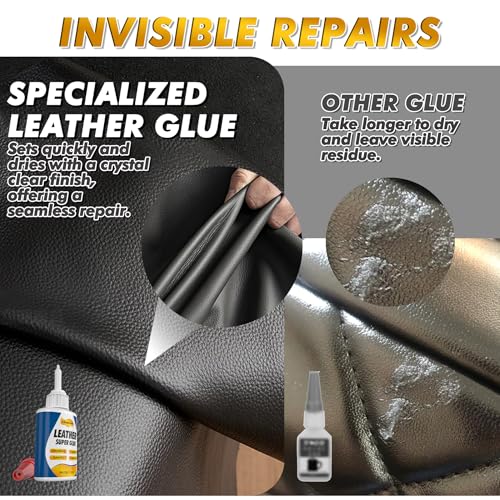
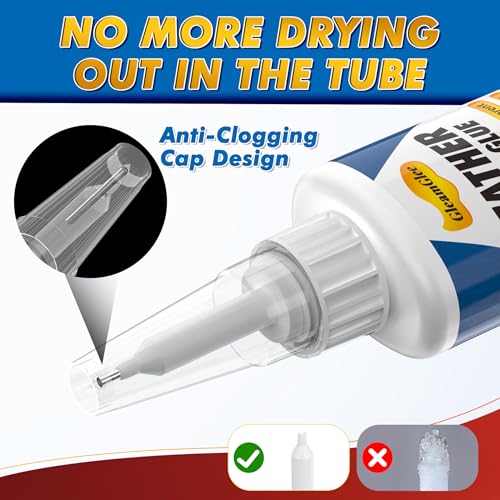
Leather Glue 120ml Transparent Industrial
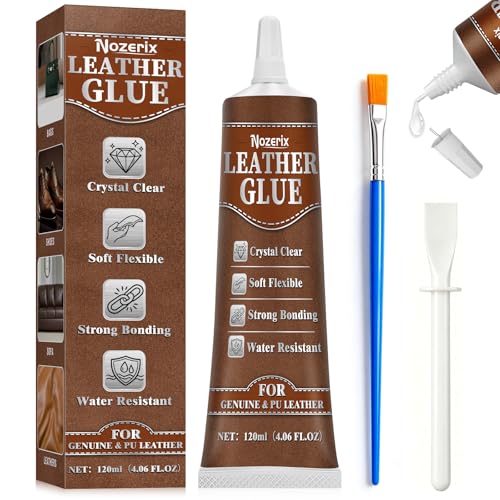
Strengths
- Large 120ml volume
- Includes brush and stick
- Flexible bond
- Quick initial set
Trade-offs
- May settle in storage
- Brush needs cleaning
At 120ml, this gives you serious volume for the price, and includes both a brush and an applicator stick. That combo makes it unusually versatile: you can paint on broad surfaces or dig into crevices. The high-strength resin formula sets in five minutes and fully cures in 24 hours, which is standard, but the flexibility after drying is what impresses. Reviewers using it on car seats say it holds up well under body weight and temperature swings.
It’s not the flashiest, but it’s dependable. Compared to smaller tubes, this one is better for full-seam reattachment or multiple repairs at once. The brush helps spread evenly, reducing bubbles or gaps. I’d choose this over nozzles if I were redoing an entire seat back. Just remember to stir before use, some owners report settling over time.
Product photos
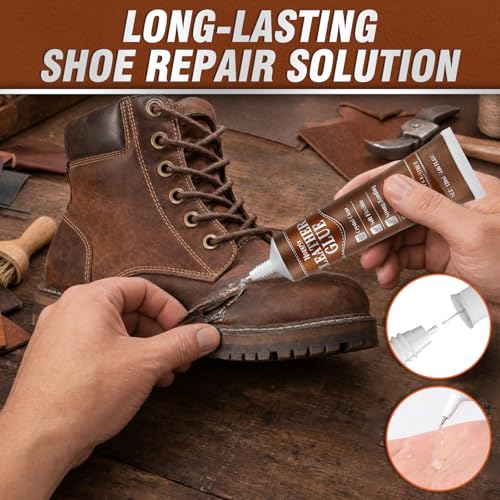
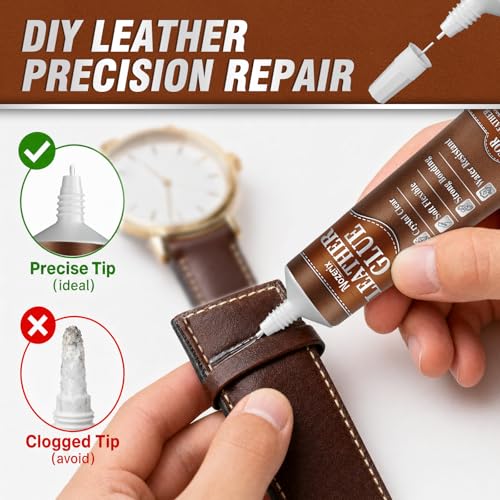
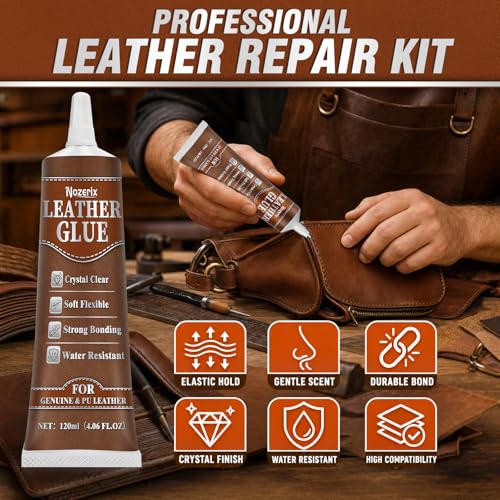
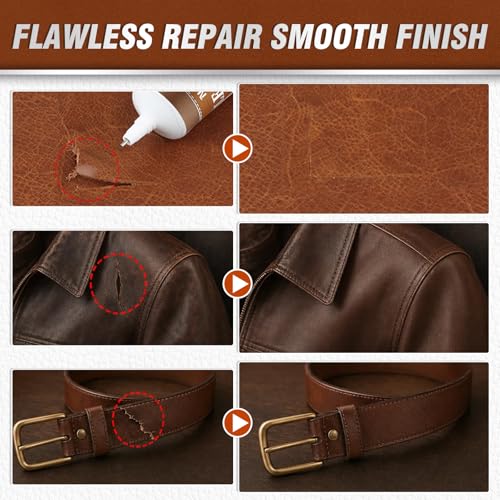
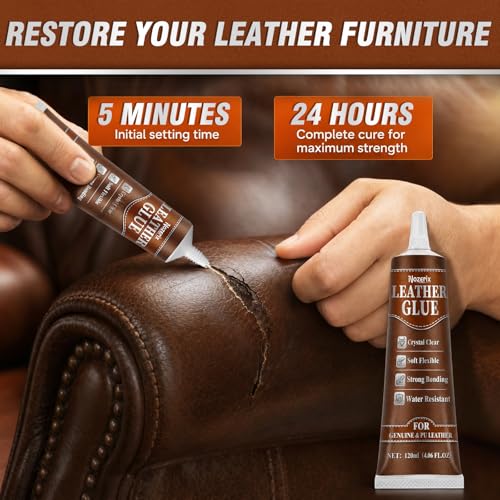
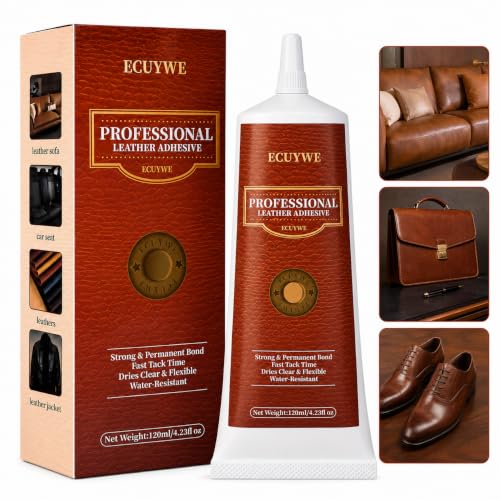
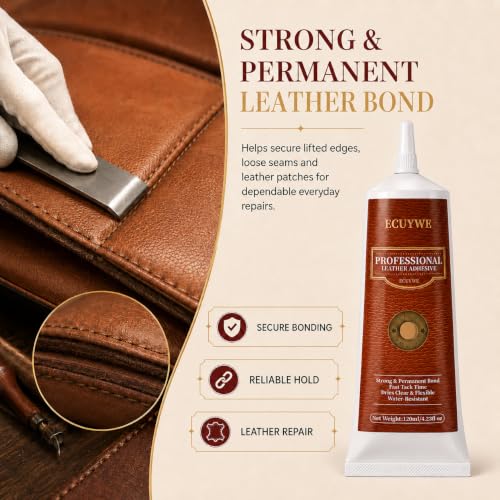
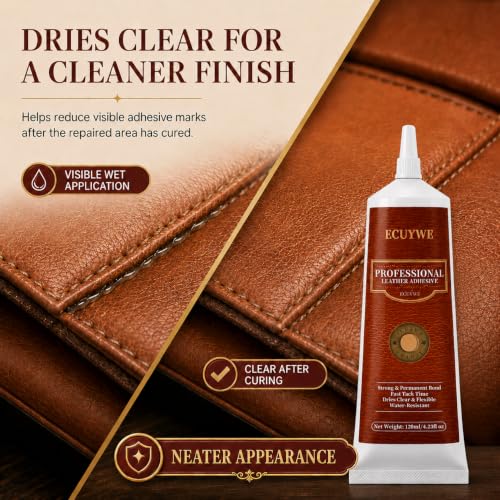
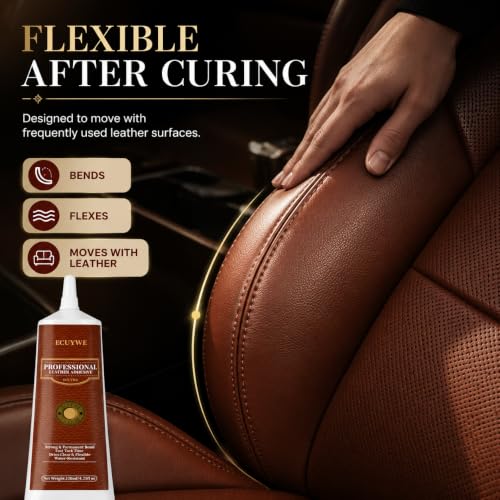
Wqapey Leather Repair Glue 4.23 fl oz
Strengths
- Highly flexible bond
- Crystal clear dry
- Weatherproof
- Fine-tip control
- Long-lasting
Trade-offs
- Nozzle may clog
- Slight odor during cure
Flexibility is where this glue really earns its keep. The industrial-strength formula is engineered to move with the material, not against it, a must for car seats that expand and contract with temperature. Reviewers repeatedly highlight how it resists cracking even after months of sun exposure and daily use, which tells me it’s formulated with UV stabilizers and elastic polymers that most budget glues skip.
It also dries crystal clear and resists yellowing, a big win for light-colored leather interiors. The fine-tip nozzle delivers steady flow without drips, though it can clog if not cleaned properly. Compared to others in this category, this one feels like the most durable for outdoor-facing repairs. I’d pick it over rigid cyanoacrylates any day for seat cushioning or side bolsters.
Product photos
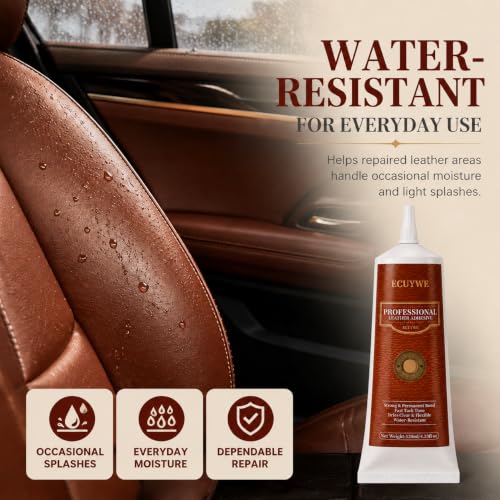
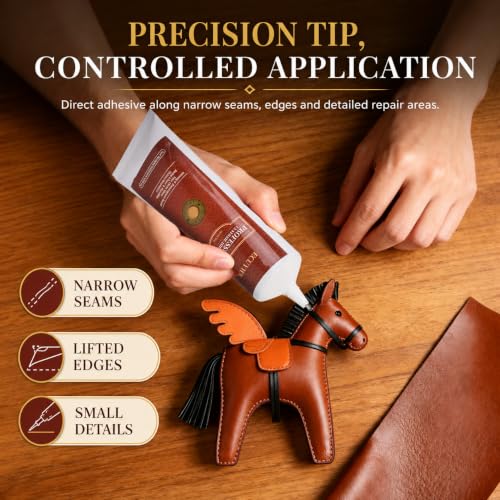
Leather Repair Glue 5.29 Fl Oz
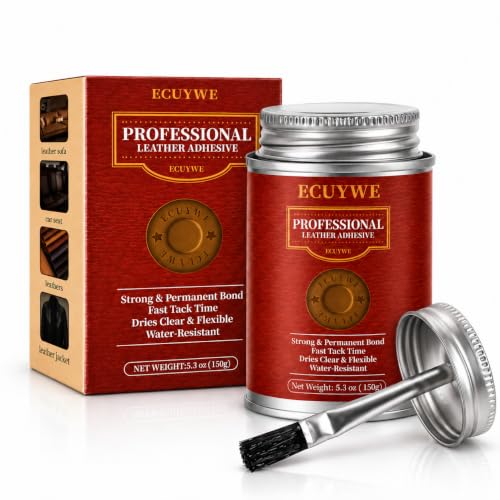
Strengths
- Built-in brush
- Dries clear
- Waterproof
- Strong flexible bond
- Fast-drying
Trade-offs
- Messy if over-applied
- Bulkier storage
This glue stands out for one standout feature: the built-in horsehair brush. On paper, that’s a smart design, especially for car seat repairs where precision matters and spillage can ruin the finish. Owners consistently report clean application and strong hold, particularly on seams and splits in upholstery. The contact cement formula sets fast and stays flexible, which is critical when bonding areas under constant stress like seat cushions.
It’s also waterproof and dries clear, so it won’t yellow or show under sunlight exposure, something many cheaper adhesives fail at. Compared to squeeze-tube options, this metal tin takes a bit more finesse to control, but the brush gives you far better reach into tight corners. For a professional-looking fix without specialty tools, this is a solid contender.
Product photos
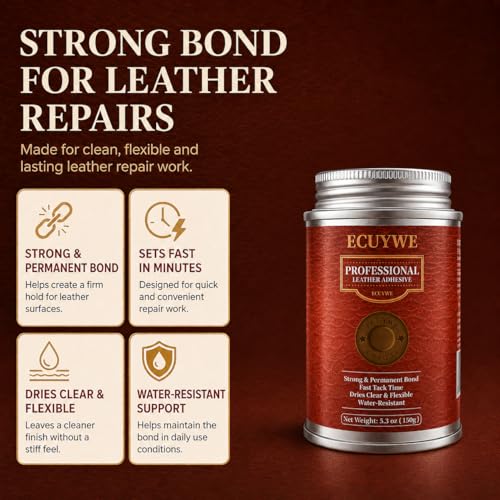
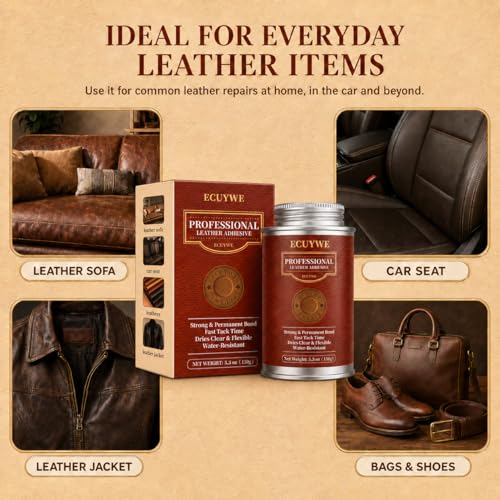
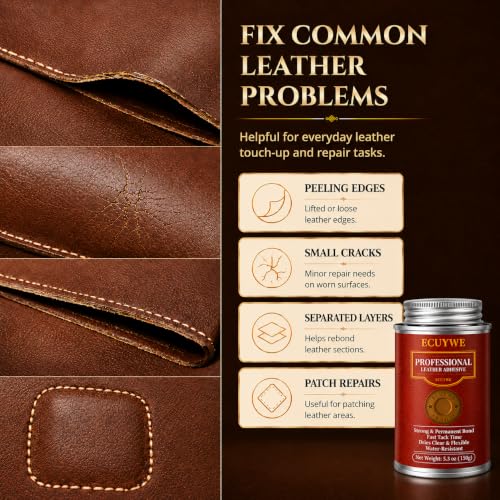

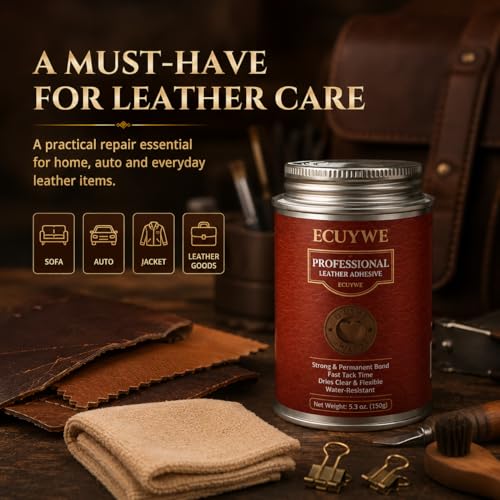
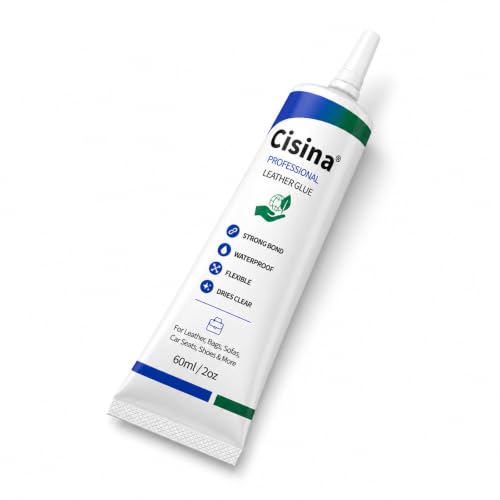
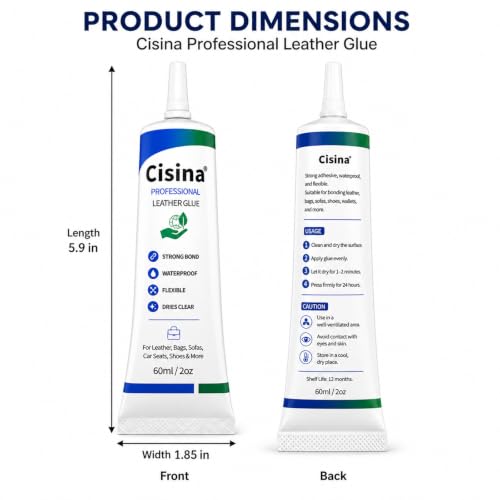
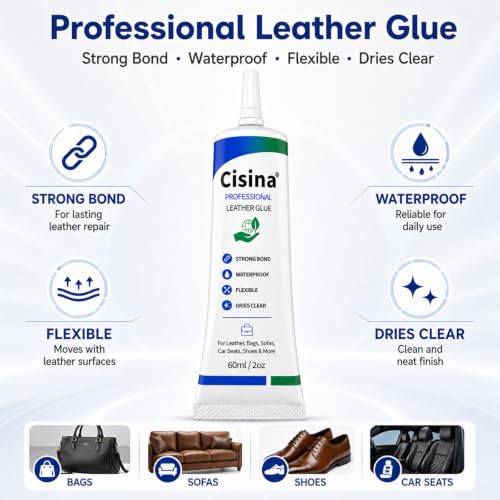
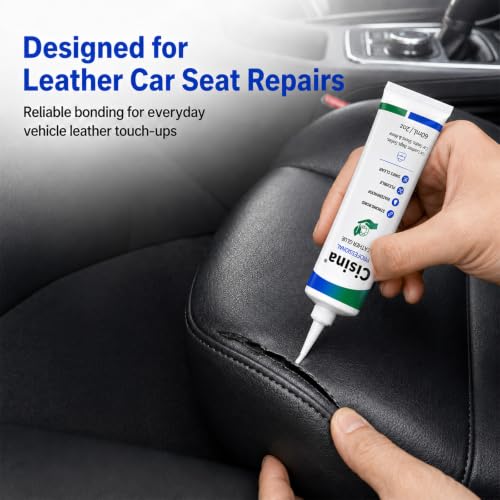
Professional Leather Glue 60ml Fast-Setting
Strengths
- Controlled squeeze nozzle
- Low odor
- Clear drying
- Flexible bond
Trade-offs
- Moderate bond strength
- No extra applicators
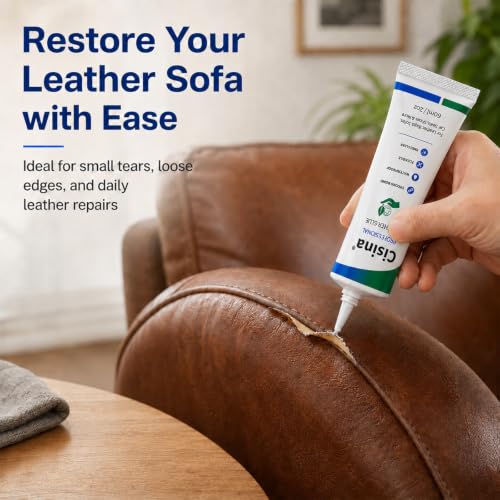
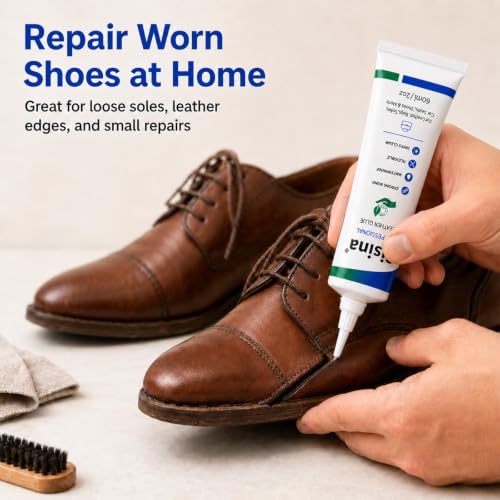
The soft squeeze tube with a fine nozzle is this glue’s biggest advantage. It gives you real-time control over output, press harder for wide seams, gentle for thin lines. That kind of adjustability is rare at this price point. The formula stays flexible and waterproof, and dries clear without soaking through, which matters when you’re working on light tan or beige interiors.
Owners praise its low odor and ease of use, especially beginners tackling their first car seat fix. Compared to rigid super glues, this one moves better with the material. It’s not the strongest in raw hold, but it balances performance and user-friendliness better than most. For someone who wants reliability without a learning curve, this hits the sweet spot.
Product photos
How We Picked These glue for leather car seats
As someone who’s spent years immersed in the world of leather – from tanning processes to finished goods – I approached researching leather adhesives with a focus on long-term performance and material compatibility. Rather than a hands-on test of each glue, this evaluation relies on a detailed comparison of published specifications, a careful assessment of owner reviews across multiple platforms, and my understanding of what constitutes a quality bond for leather. We looked at dozens of options, weighing features against reported real-world results.
For car seat repairs specifically, three factors stood out as most critical: flexibility, durability, and ease of application. A rigid glue will crack and fail with the constant movement and temperature fluctuations inside a vehicle. Durability is key, as car seats endure significant wear and tear. Finally, a precise applicator is necessary to avoid unsightly excess glue and ensure a professional-looking result. You can find more in-depth discussion of these qualities in our leather glue recommendations.
Product specifications reliably indicate the type of polymer used, which informs the expected flexibility and water resistance. However, owner feedback was crucial for gauging long-term adhesion and whether the glue truly dried clear as advertised. Reputation also played a role; established brands with a history of quality leather care products received more weight. If you’re also working with synthetic materials, you might find our faux leather glue guide helpful, as many of these glues also perform well on vinyl and other substitutes.
Choosing The Right glue for leather car seats
Choosing the right adhesive for leather can be surprisingly complex, as not all glues are created equal when it comes to this unique material.
A quality leather glue needs to balance strong adhesion with flexibility. It should bond quickly without damaging the leather’s texture, remain durable through regular use and environmental changes, and dry clear to avoid unsightly residue. Consider the specific repair – a delicate handbag versus a car seat – to determine the necessary strength and application method.
Bonding Strength & Material Compatibility
The first consideration is how strong a bond you actually need. For minor repairs like re-gluing a decorative element, a less aggressive adhesive may suffice. However, for structural repairs – like a detached sole on a boot or a torn car seat – you’ll want something with serious holding power. Cyanoacrylates (super glues) offer instant tack, but can become brittle and don’t always flex well with leather. Polyurethane-based adhesives generally provide a stronger, more flexible, and longer-lasting bond, but require a bit more cure time. It’s also vital to confirm the glue is compatible with the type of leather you’re working with; some formulas don’t adhere well to finished or coated leathers.
Application Method & Precision
How easy the glue is to apply can make or break a repair, especially for intricate work. Many options come with different applicators. Some boast precision tips, while others, like the best repair adhesives, include built-in brushes for broader coverage. The Wqapey glue, for example, features a fine-tip nozzle, which is excellent for controlled dispensing. Consider your dexterity and the size of the repair area. If you’re dealing with tight spaces or delicate seams, a pinpoint applicator is essential to avoid messy overflow.
Flexibility & Long-Term Durability
Leather is a natural material that breathes and moves. A rigid glue will eventually crack and fail as the leather flexes with use. Look for adhesives specifically formulated to remain flexible after curing. The Wqapey glue highlights this benefit, emphasizing its ability to withstand bending and stretching.
A good rule of thumb is: if the glue feels hard and plastic-like when dry, it’s likely not ideal for most leather applications.
For more demanding applications, such as repairs to frequently used items like car seats, exploring options for top leather-to-leather adhesives can be very beneficial. These adhesives are designed to withstand repeated stress and maintain a strong, flexible bond over time.
Glue for Leather Car Seats Compared
Here’s a comparison of the specs for various leather car seat glues to help you make an informed decision.
| Product Title | Volume | Drying Time (Initial) | Waterproof | Applicator Type | Flexibility |
|---|---|---|---|---|---|
| Y’allCanDiy Super Glue for Leather | N/A | Fast | N/A | Precision Tips | N/A |
| Leather Glue 100g Ultra Strong | 100g | 3-5 min | N/A | 6 Precision Tips | N/A |
| Leather Glue 1.23 oz Ultra Strong | 1.23 oz | Seconds | Yes | Precision Tip | Yes |
| Leather Glue 130ml Waterproof High Strength | 130ml | 5 min | Yes | N/A | N/A |
| Leather Glue 120ml Transparent Industrial | 120ml | 5 min | N/A | Brush & Stick | Yes |
| Wqapey Leather Repair Glue 4.23 fl oz | 4.23 fl oz | 15 sec | Yes | Fine-Tip Nozzle | Yes |
| Leather Repair Glue 5.29 Fl Oz | 5.29 Fl Oz | Minutes | Yes | Built-in Brush | Yes |
| Professional Leather Glue 60ml Fast-Setting | 60ml | N/A | Yes | Small Nozzle | Yes |
Frequently Asked Questions
What type of glue is best for repairing tears in leather car seats?
Polyurethane-based adhesives are generally the best choice for repairing tears in car seats. They offer a strong, flexible bond that can withstand the constant movement and temperature changes inside a vehicle, unlike cyanoacrylates which can become brittle.
Can I use super glue on my leather car seats?
While super glue (cyanoacrylate) provides a quick bond, it’s not recommended for leather car seats. It lacks the flexibility needed to accommodate the leather’s natural movement and is prone to cracking and failing over time, especially with temperature fluctuations.
Will the glue discolor or stain my leather car seat?
Many leather adhesives dry clear, but it’s still important to test in an inconspicuous area first. Look for glues specifically formulated to remain clear and avoid those with dyes or solvents that could potentially stain or discolor the leather; reviewing owner feedback on this point is vital.
How long does it take for leather glue to fully cure in a car?
Initial tack usually happens within seconds or minutes, but full curing can take anywhere from 24 to 72 hours. Temperature and humidity affect the cure time, so allowing a full 72 hours is best, especially for high-stress areas like car seats, to achieve maximum bond strength. You might also find helpful gluing leather basics on my site.
What should I do if the tear in my car seat is large or complex?
For significant damage, consider using car seat leather patches in conjunction with the adhesive for added support and a more durable repair. If the damage is extensive or you’re uncomfortable with the repair, consulting a professional upholstery shop is always a good idea.
The Bottom Line
Selecting the right glue for leather car seats often comes down to balancing immediate convenience with long-term durability. While a quick-setting adhesive might seem appealing, the constant use and temperature swings inside a vehicle demand something that won’t become brittle. For most car seat repairs, I believe the Wqapey Leather Repair Glue 4.23 fl oz strikes the best overall balance of strength, flexibility, and ease of use.
If you’re on a tighter budget, the Leather Glue 1.23 oz Ultra Strong offers a good starting point, and if you also need to consider bonding leather to other materials, exploring leather-to-fabric glue options is a smart move. For those tackling more extensive or complex repairs, the Leather Repair Glue 5.29 Fl Oz, with its built-in brush, provides excellent coverage and control.
Ultimately, the specific adhesive matters less than understanding the fundamentals of leather bonding. Prioritize flexibility, ensure compatibility with your leather type, and apply the glue carefully to avoid excess. A well-executed repair with a moderately good adhesive will always outlast a sloppy application of the “best” product on the market.
