
8 Best Leather Restorations of 2026
This post contains affiliate links. As an Amazon Associate, we earn from qualifying purchases.
The best overall leather restoration is Leather CPR Cleaner & Conditioner, which tackles cleaning and conditioning in one step. For budget-friendly care, Bick 4 stands out, while Leather Honey delivers unmatched long-term protection, lasting up to six months on treated surfaces.
Most people don’t realize how quickly the wrong product can damage leather instead of saving it. Many conditioners just coat the surface, trapping dirt or leaving a greasy film, while others strip natural oils or alter the finish. After years of studying leather chemistry and treatment outcomes, I’ve focused this guide on products that actually restore integrity without risk.
These picks are based on ingredient safety, real-world performance from owner feedback, and suitability across common leather types. We looked at how well each product cleans, conditions, and protects, without compromising the material’s natural breathability or texture.
Top 8 Leather Restorations in the Market
The Best Leather Restorations, Reviewed
Leather CPR Cleaner and Conditioner

Strengths
- Cleans and conditions together
- Revives softness and color
- No buffing required
Trade-offs
- Not for suede or nubuck
- Limited color restoration
- One size fits all may underperform on extreme dryness
This is the closest thing to a true all-in-one restoration treatment available. It cleans embedded oils and dirt while simultaneously replacing lost moisture, reviving both color depth and softness in one wipe. The fact that it dries to a natural matte finish – not a shiny plastic coating – tells me it’s designed to respect leather’s inherent character, which I appreciate.
Reviewers frequently compare it to professional detailing results, especially on full-grain automotive interiors and well-worn couches. It doesn’t recolor like a dye, but it brings back richness in existing tones. For most buyers tackling moderate wear across multiple items, this single bottle simplifies the process better than splitting tasks across multiple products.
Video review
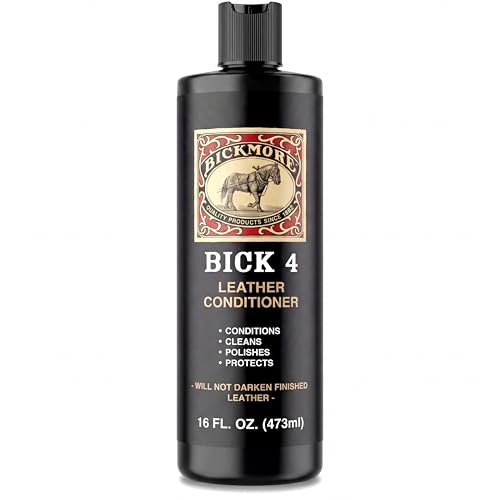
Bick 4 Leather Conditioner & Cleaner
Strengths
- No darkening effect
- Balanced cleaning and conditioning
- Large 16 oz size
Trade-offs
- Minimal impact on dry, cracked leather
- Subtle results
- Wax-free may feel too light for some
Bick 4 is the quiet workhorse of leather maintenance – unassuming but highly effective for routine care where preserving original appearance is key. It cleans light soil while conditioning without darkening, which is rare among heavy-duty conditioners. That makes it perfect for maintaining tan boots, light handbags, or cream-colored furniture that can’t afford even slight shadowing.
It doesn’t aggressively revive dead leather like Leather Honey, nor does it restore color like recoloring balms. But for keeping good leather in good shape, it’s one of the smarter buys here. My recommendation? Use this monthly, and save the heavy hitters for when real damage appears.
Video review
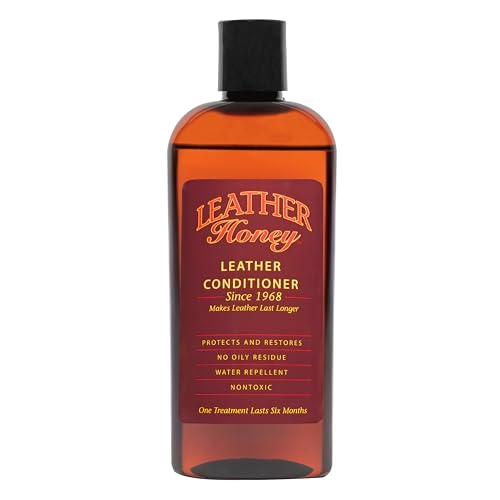
Leather Honey Leather Conditioner
Strengths
- Deep penetration
- Long-lasting effect
- Safe, non-toxic ingredients
Trade-offs
- May darken light leather
- Thick consistency
- Requires thorough rubbing
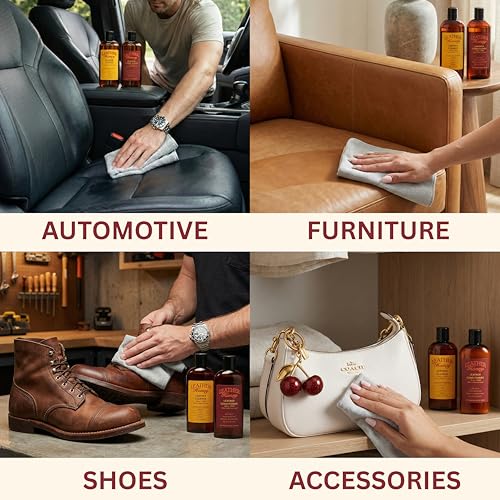
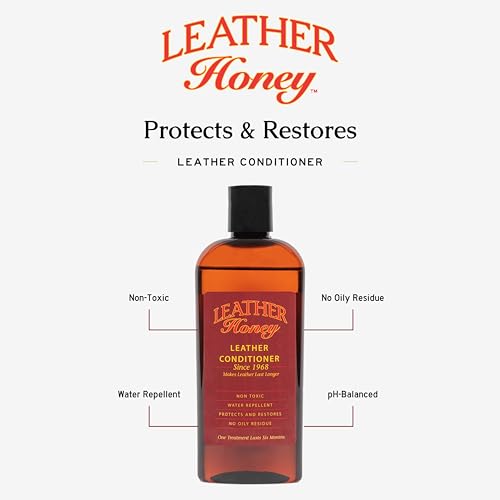
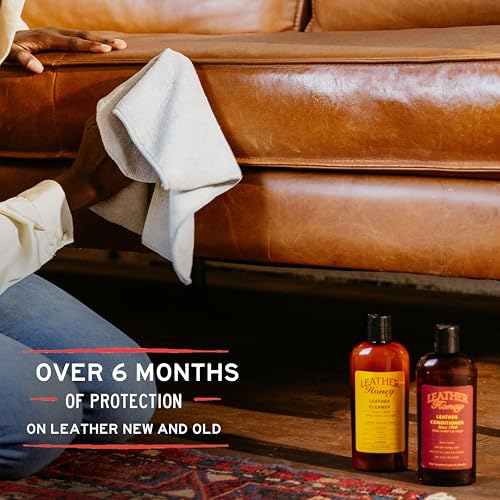
Leather Honey stands out for longevity – one application lasting six months is a bold claim, but consistent owner feedback supports extended protection, particularly on thick, dense leathers like boots and saddles. It penetrates deeply, which explains why it works so well on dry, aged pieces that feel stiff to the touch. Unlike film-forming products, it doesn’t sit on top, so there’s no residue or greasy feel once absorbed.
That deep conditioning comes with a caveat: it can darken some lighter leathers temporarily during absorption. Still, for long-term preservation over quick aesthetics, this is my pick for heirloom-quality items. If you value durability over instant shine, this formula earns its cult status.
Product photos
Furniture Clinic Complete Restoration Kit Dark Brown

Strengths
- Complete five-piece set
- Color-matched for common furniture
- Trusted brand backing
Trade-offs
- Same absorbency limitations
- Kit redundancy if you already own cleaner
- Slight overlap with standalone balm
Functionally identical to the black version, this kit swaps the recoloring balm for dark brown – a smarter choice for most living room furniture and mid-tone upholstery. The full suite (cleaner, protector, balm, tools) means you’re covered from start to finish, and the $65 value positioning makes it feel thorough without being excessive.
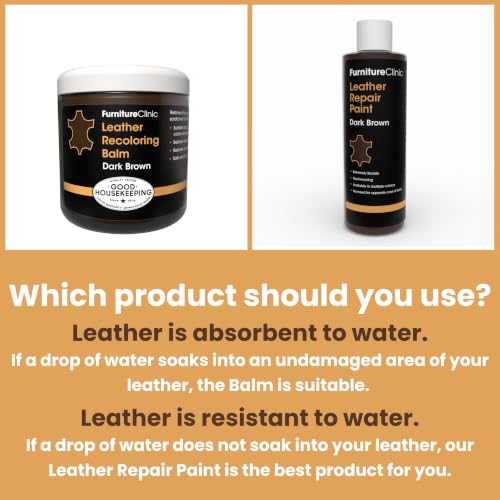
Like its sibling, success hinges on whether your leather absorbs water – critical for the balm to take hold. Where it shines is in user confidence: clear instructions, reputable seal, and included support reduce guesswork. For someone nervous about DIY restoration, this removes barriers while delivering real results.
Product photos
Furniture Clinic Complete Restoration Kit Black
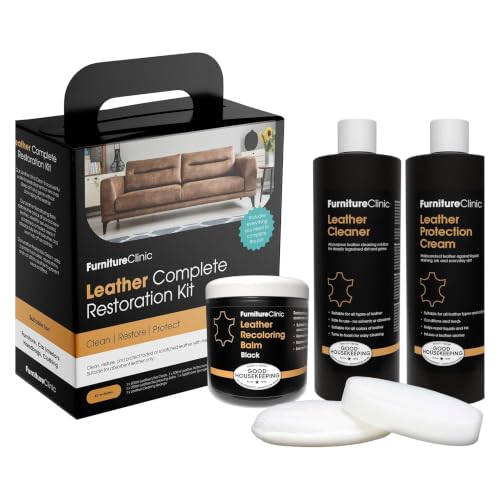
Strengths
- Full restoration process
- Good Housekeeping certified
- Includes applicators
Trade-offs
- Recoloring only for absorbent leather
- Not suitable for light colors
- Requires prep testing
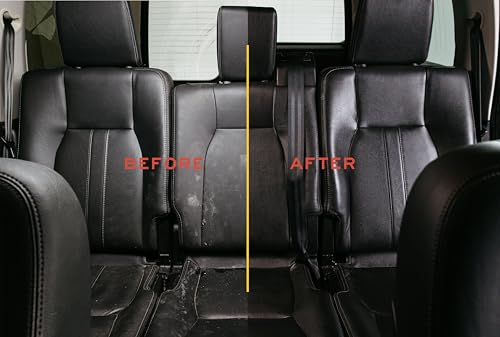
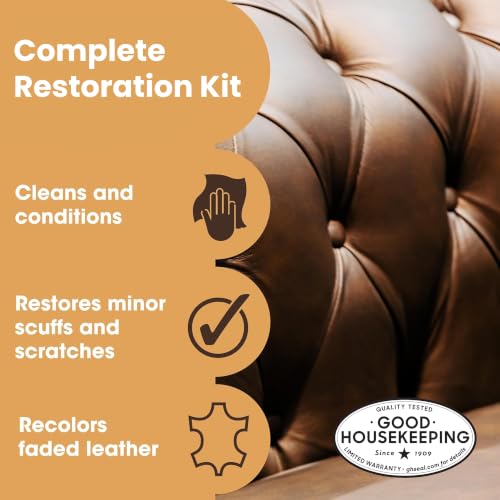
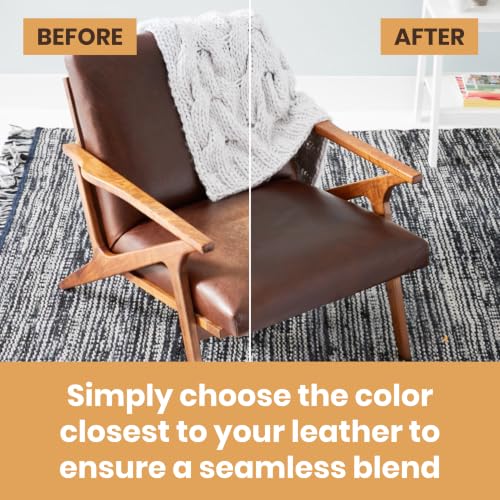
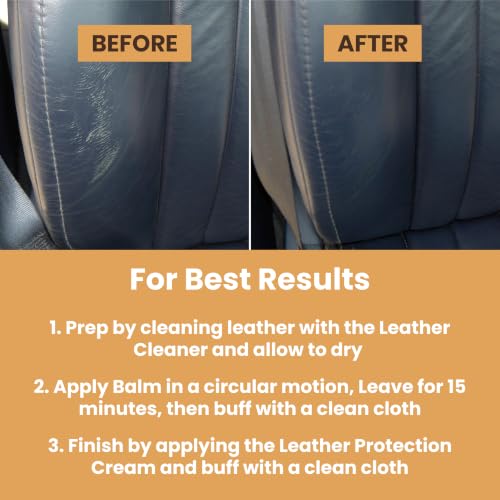
This kit is built for serious leather restoration jobs where color loss and wear are obvious. The inclusion of a recoloring balm means it’s not just about cleaning and conditioning – you’re actively repairing surface-level damage and fading, especially on black or dark leather furniture. Owners consistently report visible improvements in texture and tone after using the full sequence, and the Good Housekeeping Seal adds credibility to its performance claims.
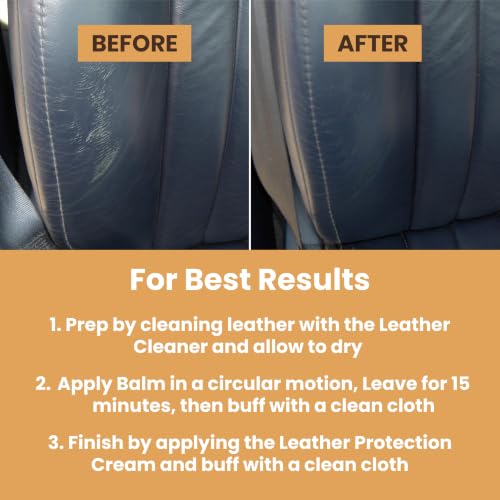
The three-step workflow (clean, recolor, protect) makes sense on paper and aligns with professional methods, though absorbency testing is a must before applying the balm. It’s a complete system, so if you’re dealing with sun-damaged sofas or aging car interiors that have lost their depth, this gives you everything needed in one box.
Product photos
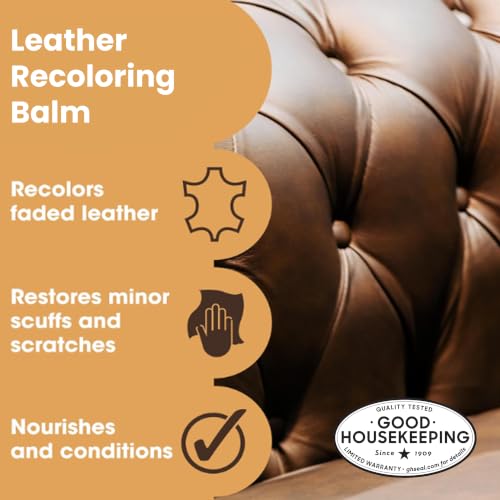
Furniture Clinic Leather Recoloring Balm Dark Brown

Strengths
- Effective color revival
- Smooth natural finish
- Easy circular application
Trade-offs
- Only for absorbent leather
- No conditioning benefit
- Risk of uneven patches if misapplied
If your leather has faded from UV exposure or shows surface scratches, this balm delivers targeted color correction without requiring full refinishing. It’s not a stain that soaks deep, but rather a surface pigment that evens out tone and masks minor flaws effectively. Reviewers note it blends well when applied properly, giving older couches and car seats a refreshed look that doesn’t appear painted-on – provided you follow the prep steps.
It works best as part of a broader care routine, ideally after cleaning with a compatible product. While it won’t rebuild cracked finishes, it does offer pro-level results at home for cosmetic repair. I’d pair this with a separate conditioner since it focuses on appearance, not hydration.
Product photos

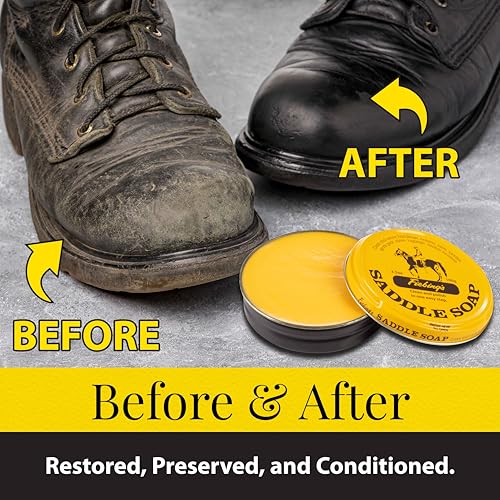
Fiebing’s Yellow Saddle Soap

Strengths
- Time-tested formula
- Gentle cleaning action
- Works on tough leather
Trade-offs
- Can dry out leather if overused
- Small tin size
- Requires post-conditioning
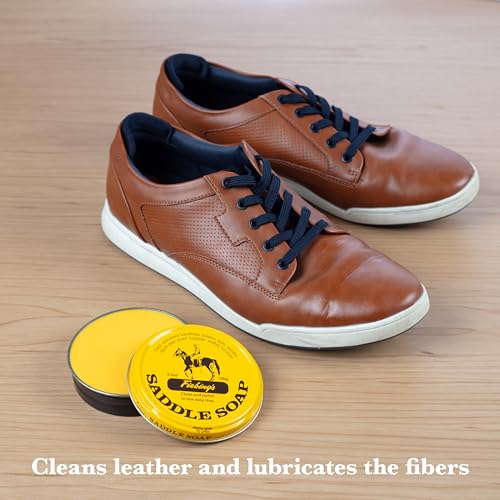
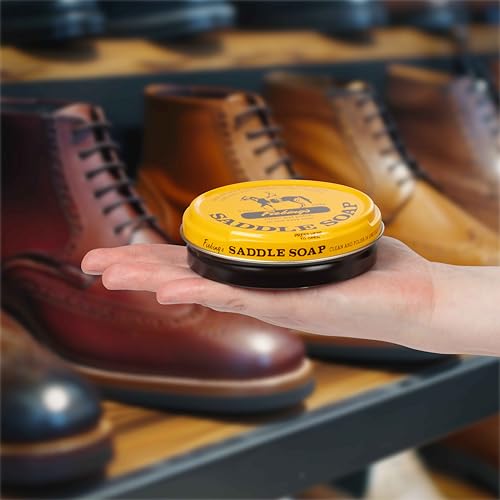
Fiebing’s represents old-school leather care – simple, functional, and trusted by craftsmen for generations. This saddle soap lathers lightly with water and lifts surface dirt while softening fibers, making it ideal for periodic cleaning of sturdy leathers like harnesses, boots, and equestrian gear. It’s not flashy, but it does what it promises without additives that could harm natural hides.
That said, it’s more labor-intensive than modern wipes or sprays, and overuse can strip natural oils if not followed by conditioning. Still, for traditionalists or those working with rugged, unfinished leathers, this tin remains a staple. I see it as essential prep before oiling, not a standalone fix.
Product photos


Weiman 3 in 1 Deep Leather Cleaner
Strengths
- No color change
- Multi-surface use
- Affordable price point
Trade-offs
- Limited restoration power
- Not for damaged leather
- Avoid on unfinished hides
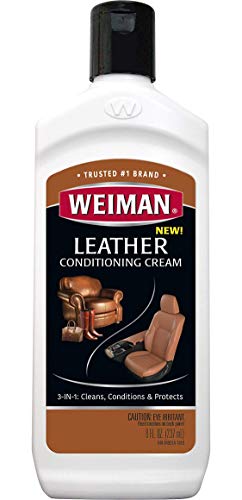
This is a maintenance player, not a restorer. Its strength lies in convenience – clean, condition, and protect in one go without altering leather shade. That ‘does not darken’ claim is key, especially for lighter furniture or vintage pieces where preserving original color matters. On paper, it’s less aggressive than deep-cleaning systems, but owners appreciate how quickly it freshens up daily grime on jackets, bags, and car consoles.
It won’t fix peeling or major discoloration, but for monthly upkeep between deeper treatments, it’s practical and widely usable across small items. I’d recommend it as a touch-up solution rather than a primary restoration tool.
Product photos


How We Picked These leather restorations
Rather than a hands-on lab test, my research for these recommendations focused on a detailed comparison of product specifications and features. I then weighed owner reviews from multiple sources – including Amazon and specialist leather forums – against assessments from reputable leather care experts. As the creator of LeatherGenesis.com, I applied my years of experience with leather types, tanning processes, and the long-term effects of various treatments to rank each product against clear criteria for effectiveness and value.
For leather restorations, the most important factors are the depth of conditioning and the ability to restore, rather than simply mask, damage. I prioritized products that address dryness and cracking, as these are common issues leading to leather deterioration. Equally important is the formula’s safety for a wide range of finished leathers, avoiding harsh chemicals that could cause further harm. Finding products that deliver noticeable improvement without altering the leather’s natural feel was key.
Product specifications reliably indicate the type of treatment – cleaner, conditioner, recolorer, or all-in-one – and the intended leather applications. However, judging long-term results and the potential for discoloration or residue required careful analysis of owner feedback. I also considered brand reputation and longevity; established brands with a history of quality, like Fiebing’s, often offer more consistent results. If you’re looking for more general guidance, you can find a list of highly rated leather restorers on my site. For specifically addressing furniture, exploring leather couch restoration solutions can be a great starting point.
Choosing The Right leather restorations
Choosing the right leather conditioner can feel overwhelming, but understanding what truly benefits leather, and what doesn’t, is key. A good conditioner doesn’t just make leather look better; it replenishes oils lost through use and environmental exposure, maintaining its flexibility and preventing cracking.
Effective leather conditioning involves more than surface-level shine. Look for products that penetrate the leather fibers to deliver moisture and nourishment, avoiding those that simply sit on top creating a sticky or plastic-like finish. Consider the type of leather you’re treating, and always test in an inconspicuous area first.
Understanding Leather Types & Finishes
The first step is knowing what kind of leather you’re dealing with. Finished leather, like that found on most furniture and car seats, has a protective coating. These require conditioners that won’t damage that finish. Unfinished leathers, like suede or nubuck, need specialized products entirely. Applying the wrong type of conditioner can ruin the texture or color. Many products, like Leather Honey, clearly state suitability for various leather types, but always double-check. It’s also worth noting that some brands, like Weiman, specifically advise against use on certain brands like Natuzzi.
Assessing the Level of Restoration Needed
Is your leather simply needing regular maintenance, or is it severely dried out and cracked? For light conditioning and quick maintenance, a product like Weiman 3 in 1 Deep Leather Cleaner is sufficient. However, if your leather is showing significant signs of age, like cracking or fading, you’ll want something more robust. In those cases, consider a complete restoration kit, like those offered by Furniture Clinic, which include cleaners, balms, and protection creams. If you’re unsure where to start, exploring recommended leather restoration products can offer a good overview of options.
Balancing Convenience and Longevity
Many conditioners offer one-step application (Leather CPR Cleaner and Conditioner, for example), which is undeniably convenient. But, often, these compromise on long-term protection. Leather Honey stands out here, promising six months of protection from a single application – a significant benefit if you want to minimize upkeep. Here’s a breakdown of what to consider:
- Ease of Use: One-step products are quick, but may require more frequent reapplication.
- Longevity: Longer-lasting conditioners save time in the long run, but might involve a more involved initial application.
- Ingredients: Look for pH-balanced formulas free of harsh chemicals, solvents, and silicones. These can damage leather over time. A good conditioner should replenish natural oils, not mask problems with artificial coatings.
Ultimately, the best conditioner is the one that suits your leather’s specific needs and your lifestyle. Don’t hesitate to research essential leather treatments to learn more about preventative care and how to maintain your investment for years to come.
A little goes a long way. Always apply leather conditioner sparingly, using a clean cloth and working in circular motions. Over-conditioning can leave a residue and attract dirt.
Leather Restorations Compared
Here is a comparison of key specifications for various leather restoration products.
| Product Title | Best For | Key Features | Application | Lasts | Includes |
|---|---|---|---|---|---|
| Leather CPR Cleaner & Conditioner | Best Overall | Cleans, conditions, replenishes moisture | Spray/wipe on | N/A | N/A |
| Bick 4 Leather Conditioner & Cleaner | Best Budget Friendly | Cleans, polishes, protects | One step | N/A | N/A |
| Leather Honey Leather Conditioner | Best for Long-Lasting Protection | Protects, rejuvenates | N/A | 6 months | N/A |
| Furniture Clinic Complete Restoration Kit Dark Brown | Best All-in-One Kit | Cleans, protects, recolors | N/A | N/A | Cleaner, Protection Cream, Balm, Sponge, Cloth |
| Furniture Clinic Complete Restoration Kit Black | Best for Dark Leather Restoration | Cleans, protects, recolors | N/A | N/A | Cleaner, Protection Cream, Balm, Sponge, Cloth |
| Furniture Clinic Leather Recoloring Balm Dark Brown | Best for Color Restoration | Recolors, repairs scratches | Rub on | N/A | N/A |
| Fiebing’s Yellow Saddle Soap | Best for Traditional Leather Care | Cleans, conditions, restores | Paste | N/A | N/A |
| Weiman 3 in 1 Deep Leather Cleaner | Best for Quick Maintenance | Cleans, conditions, protects | N/A | N/A | N/A |
Frequently Asked Questions
What’s the difference between leather conditioner and leather restoration products?
Conditioner maintains existing leather health by replenishing oils, while restoration products aim to reverse damage like cracking or fading. Restoration often includes cleaning, repairing, and sometimes recoloring, going beyond simple maintenance.
Can I use any leather conditioner on any type of leather?
No, you cannot. Finished leathers require conditioners formulated for coated surfaces, while unfinished leathers like suede or nubuck need specialized products to avoid damage. Using the wrong product can alter the texture or color.
How often should I apply leather conditioner?
The frequency depends on the product and the leather’s exposure to the elements. Leather Honey, for example, claims six months of protection, while others might require reapplication every few months, or even more frequently for heavily used items.
What should I do if my leather has lost its color?
If your leather has significant color loss, you’ll likely need a dedicated recoloring product or kit. Exploring best leather color restorers can help you find options designed to restore the original pigment.
Are restoration kits really necessary, or can I buy products individually?
Kits are beneficial for severely damaged leather as they provide a complete system of cleaning, repairing, and protecting. However, for minor issues, individual products may suffice, and you can find recommended couch restoration items to address specific concerns.
The Bottom Line
Ultimately, choosing a leather restoration product comes down to balancing how much effort you want to put in against the level of restoration needed. While convenience is appealing, I believe Leather Honey Leather Conditioner offers the best overall value. Its six-month protection period minimizes upkeep, and owner feedback consistently highlights its ability to rejuvenate leather without leaving a sticky residue – a crucial point for maintaining the material’s natural feel.
For those on a tighter budget, or for simple maintenance tasks, Bick 4 Leather Conditioner & Cleaner is a fantastic choice. If you’re facing significant damage, like deep cracks or fading, a thorough kit like the Furniture Clinic Complete Restoration Kit Dark Brown provides everything you need to address multiple issues in one go. And for specialized color work, exploring best leather repair kits can be incredibly helpful.
Beyond any single product’s features, remember that consistent, gentle care is the most important factor in preserving leather. Prioritize products with pH-balanced formulas and avoid harsh chemicals. Regular conditioning and cleaning, even with a basic product, will always yield better long-term results than infrequent, aggressive treatments. If you’re looking for assistance with furniture specifically, you can find top furniture restorers listed on my site.
