
What Is Chamois Leather | The Flesh Split Spec You Need
This post contains affiliate links. As an Amazon Associate, we earn from qualifying purchases.
Chamois leather is a specific type of leather made from the flesh split of a sheepskin or lambskin, tanned exclusively with fish or marine oils to create a soft, highly absorbent, suede-finished material. In the US, the term “chamois” is legally restricted to this oil-tanned flesh split under Federal Standard CS99-1970, a definition echoed by British Standard BS 6715:1991.
That definition is the whole game. It’s not just a soft cloth for your car; it’s a material with a published spec sheet for thickness, breaking strength, and water absorption. Getting this wrong means you’re probably buying a counterfeit, often goat or pig skin, or a synthetic imitation.
What follows is a breakdown of the three standards that define real chamois, the physics behind its famous absorbency, and the surprising jobs it did before anyone ever dried a windshield. By the end, you’ll be able to read a product label and know exactly what you’re getting.
Key Takeaways
- Legally defined material: “Chamois” isn’t a generic term; in the US, it specifically means an oil-tanned sheepskin flesh split per Federal Standard CS99-1970.
- Absorbency from oil tanning: The unique fish oil tanning process creates a porous, hydrophilic structure that can absorb over twice its weight in water.
- Beware of “chamoiser”: The practice of counterfeiting chamois with goat or pig skin is common enough to have a French name, chamoiser.
- It’s a split leather: Genuine chamois comes from the lower, fibrous flesh split of the hide, not the tight top-grain layer.
- More than a car cloth: Its historical uses include filtering mercury, purifying gasoline, and as a blending tool for charcoal artists.
The Technical Definition: Standards and Specs
Let’s be clear about this. When you ask “what is chamois leather,” you’re asking for a legal and technical answer, not a marketing one. This material is governed by written standards that dictate its source, its construction, and its performance.
The definitions from the US, UK, and EU all agree on the core facts. The Wikipedia entry on chamois leather summarizes it well: it’s the flesh split of sheepskin, tanned by oxidizing marine oils. But the real authority is in the standards themselves.
BS 6715:1991 and US Federal Standard CS99-1970 are the rulebooks. They don’t just say it’s soft; they specify the animal (sheep/lamb), the part of the hide (flesh split), the tannage (fish oil), the finish (suede), and measurable physical properties like breaking strength and water absorption rate.
Here’s what those standards lock down:
| Standard | Jurisdiction | Key Definition | Physical Property Examples |
|---|---|---|---|
| CS99-1970 | United States | Flesh split of sheep/lambskin, tanned solely with oils. | Minimum breaking strength, water absorption percentage, pH limits. |
| BS 6715:1991 | United Kingdom | Flesh split or grain-removed skin, tanned via marine oil oxidation. | Mass per unit area, chemical composition, water-absorption tests. |
| DIN EN 16419:2014 | European Union | Oil-tanned sheep pelt, first-choice skins only, for cleaning. | Requirements for absorbency, release, and durability after use. |
If a product doesn’t meet these specs, it’s not chamois. It might be a great towel, but it’s a different material. This precision is why understanding how to test leather quality matters, the standards provide the test methods.
The takeaway is concrete. You’re not buying a vague “chamois-like” cloth. You’re buying a leather with a known origin and a verified set of capabilities. This matters because the flesh split has specific qualities.
From Skin to Chamois: The Anatomy and Process
Every leather starts with a hide, which is sliced horizontally into layers. The top layer, with the tight, natural pore structure, is top-grain leather. The bottom, fibrous layer is the flesh split. Chamois always comes from this bottom layer.
Using the flesh split isn’t a compromise; it’s a requirement. This layer is inherently more porous and nappy than the dense top grain, which is perfect for creating the absorbent, suede-like surface chamois is known for. It’s the same starting point as many suede leather products, but the journey diverges completely at the tanning stage.
The tanning process is where chamois becomes itself. It undergoes oil tanning, specifically with fish oils like cod oil. The oils are worked into the skin and oxidized, a reaction that permanently changes the fibers without the use of vegetable tannins or chromium salts used in other leathers. This full-oil tannage is what the old term chamoising referred to.
This process does three critical things: 1. It makes the leather incredibly hydrophilic, so it actively pulls in water. 2. It leaves the leather soft and pliable straight from the drum, with no need for heavy conditioning. 3. It gives chamois its distinctive, neutral color, a light yellow or beige from the oils, not from dyes.
The result is a material that is the opposite of, say, a stiff oil-tanned leather belt. Both use oil, but a belt uses oils to preserve and weatherproof a durable top grain. Chamois uses oil to transform a spongy split into an absorbent tool.
Common Uses and Why They Work
You see chamois draped over a bucket at a car wash. That’s its most famous job, but it’s not there by accident. Every use exploits a specific physical property made possible by its standard-defined construction.
Drying and Polishing Cars: This is the classic. A genuine chamois absorbs water rapidly and releases it easily when wrung out. Its suede finish creates zero abrasive risk on clear coats or glass. You’re not smearing water around; you’re lifting it off the surface into the leather’s pores. It’s the definitive tool for chamois leather for drying cars.
Charcoal Blending for Artists: In art supply stores, you’ll find small squares sold as “chamois cloth.” Artists use them to blend charcoal or pastel softly. The fine nap of the leather moves pigment in a way fingers or cloth can’t, without the skin oils that cause smudging. It’s a perfect example of its low-friction, high-control surface.
Historical and Niche Filtering: This is where it gets interesting. Its micro-porous structure was used for centuries to filter impurities. * Mercury Purification: Alchemists and early scientists would squeeze mercury through a chamois skin. The liquid metal would pass through, while solid contaminants were trapped. * Fuel Filtration: Before modern filters, boaters and pilots would use a chamois soaked in clean gasoline as a barrier. Water, being polar, would bead up and not pass through the oil-treated leather, allowing clean fuel to be drawn from the bottom of a suspect drum.
Where this goes sideways: Using a chamois on a dirty car without rinsing it first. Grit gets trapped in the nap, and on the next swipe, you’re essentially sanding your paint. Always rinse the surface and the chamois thoroughly.
These uses aren’t random. They’re direct applications of absorbency, porosity, and softness, the very properties mandated in BS 6715 and CS99-1970. When you understand the leather manufacturing process, you see why these traits are built-in, not added on.
Chamois vs. Imitations: How to Spot the Real Thing
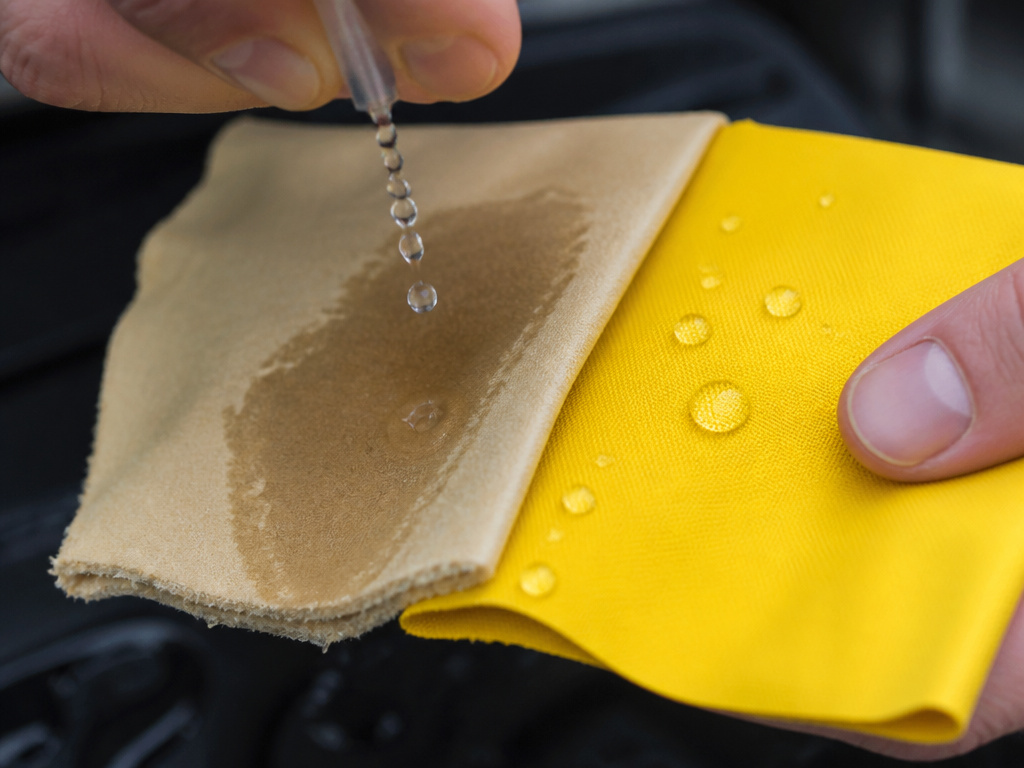 The French have a word for the practice of counterfeiting chamois: chamoiser. It’s been going on for centuries, usually by substituting goat or pig skin. Today, you also have a flood of synthetic “chamois” cloths. Here’s how to tell what you’re holding.
First, check the label and the price. A genuine, standard-compliant chamois is not the cheapest option. If it’s labeled “genuine chamois leather,” it should, by definition, meet the standards above. If it says “chamois cloth” or “synthetic chamois,” it’s not the real thing.
Next, use your senses: * Smell: Real chamois has a faint, distinctive, leathery smell, often with a hint of the fish oils. A synthetic will smell like plastic or chemicals. A counterfeit leather might smell overly pungent or of dyes. * Feel: Genuine chamois is uniformly soft and supple across its entire area. It should feel dense and slightly thirsty. Synthetic versions often feel thinner, more rubbery, or have a slicker surface. * Look: Examine the edges and the nap. Real chamois is a split leather, so the edges will look fibrous, not smooth like a cut top-grain. The suede nap should be fine and even. An imitation might have a too-perfect, uniform nap or visible backing material. * The Water Test: This is the tell. Dampen a corner. Real chamois will darken significantly as it absorbs water and feel cool, heavy, and saturated. A synthetic will absorb less, dry faster, and may even bead water initially.
Easy to miss: Many high-quality synthetic towels outperform cheap counterfeit leathers. The goal isn’t always “real at all costs”; it’s avoiding a pigskin product sold at a chamois price that will stiffen and crack.
Understanding the difference reinforces why knowing how to identify genuine leather is a foundational skill. It moves you from guessing to knowing.
Care and Maintenance of Chamois Leather
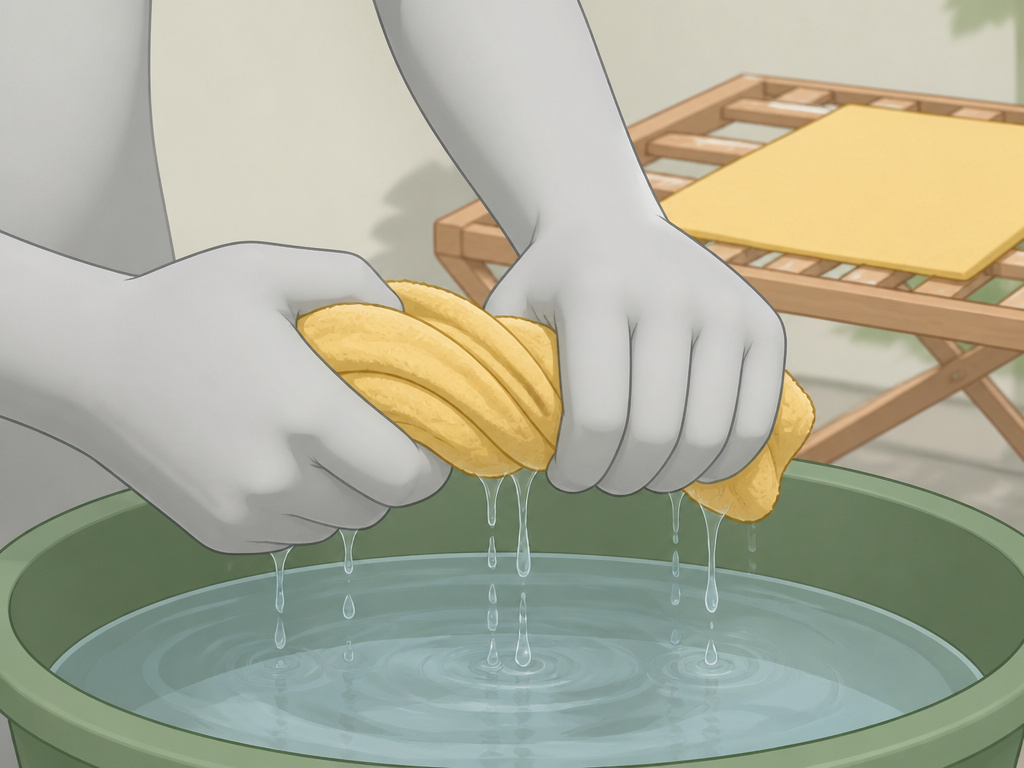 A chamois is a tool, not a disposable rag. With proper care, it can last for years, maintaining its superior absorbency. The rules are simple but strict.
Cleaning: Never use harsh detergents, soaps, or solvents. They strip the natural oils that define the material. After use, rinse it thoroughly in clean, lukewarm water until the water runs clear. Gently squeeze out the moisture, don’t wring it violently or twist it, as this can stress the fibers.
Drying: This is the critical step. Never machine dry or place it on a direct heat source like a radiator. The heat can bake the oils out and make the leather brittle. Lay it flat or hang it in a well-ventilated, shaded area to air dry completely. It should dry soft and supple.
Storage: Store it completely dry in a cool, dry place. Storing it damp is the fastest way to mildew and rot. Don’t stuff it into a sealed plastic bag; let it breathe.
If it starts to feel a little stiff after many uses, you can revive it. Soak it in a solution of warm water with a tiny amount of glycerin-based saddle soap (not a standard detergent), then rinse and dry as above. This occasionally helps replenish a minuscule amount of softness. But remember, its performance comes from its structure, not from added conditioners.
Think of it like a cast-iron skillet. You maintain its inherent properties with simple, consistent care. Abuse it, and it loses what makes it special. This pragmatic approach to care mirrors the best practices for any fine material, from nubuck leather to full-grain belts.
Frequently Asked Questions
Is chamois leather waterproof?
No, it’s the opposite, it’s highly water-absorbent. Its superpower is pulling water into its fibers. A true chamois will soak up many times its weight in water. Waterproof materials, like waxed leather, repel water.
Why is it so good for drying cars?
It combines maximum absorbency with a zero-abrasion surface. The suede-finished flesh split soaks up water instantly, and because it’s genuinely soft leather, it can’t scratch paint or glass like a misused microfiber cloth with trapped grit might.
Can you machine wash a chamois leather?
Do not machine wash or machine dry. Agitation and heat from a dryer will destroy its fibrous structure and strip its natural oils. Always hand-rinse in clean water and air-dry.
What’s the difference between chamois and suede?
Both have a napped surface, but they are different materials. Suede leather can be made from various splits (often the middle layer) and tanned by various methods (chrome, vegetable). Chamois is specifically an oil-tanned flesh split from sheepskin. All chamois is a type of suede, but not all suede is chamois.
How long does a good chamois last?
With proper care, rinsing after each use and air-drying, a genuine chamois with a dense, plush nap can last for several years of regular use. It will slowly become thinner with wear, but shouldn’t harden or lose its core absorbency if maintained correctly.
The Bottom Line
Chamois leather is a precision instrument disguised as a simple cloth. Its value isn’t in a brand name or a clever marketing angle; it’s in a set of engineering specifications. BS 6715, CS99-1970, that guarantee a performance profile nothing else can match.
Forget the vague idea of a “soft drying towel.” You’re dealing with a defined material: an oil-tanned sheepskin flesh split. This knowledge is your filter. It lets you immediately dismiss counterfeits and understand why the real thing costs what it does. It explains why it dries a car without streaks, why it blends charcoal, and why it was trusted to filter mercury.
When you need dependable, gentle absorbency, nothing synthetic or vaguely “chamois-style” comes close. You want the material that was standardized for the job. For that, you reach for the best chamois leather you can find, knowing exactly what those words on the package mean.
